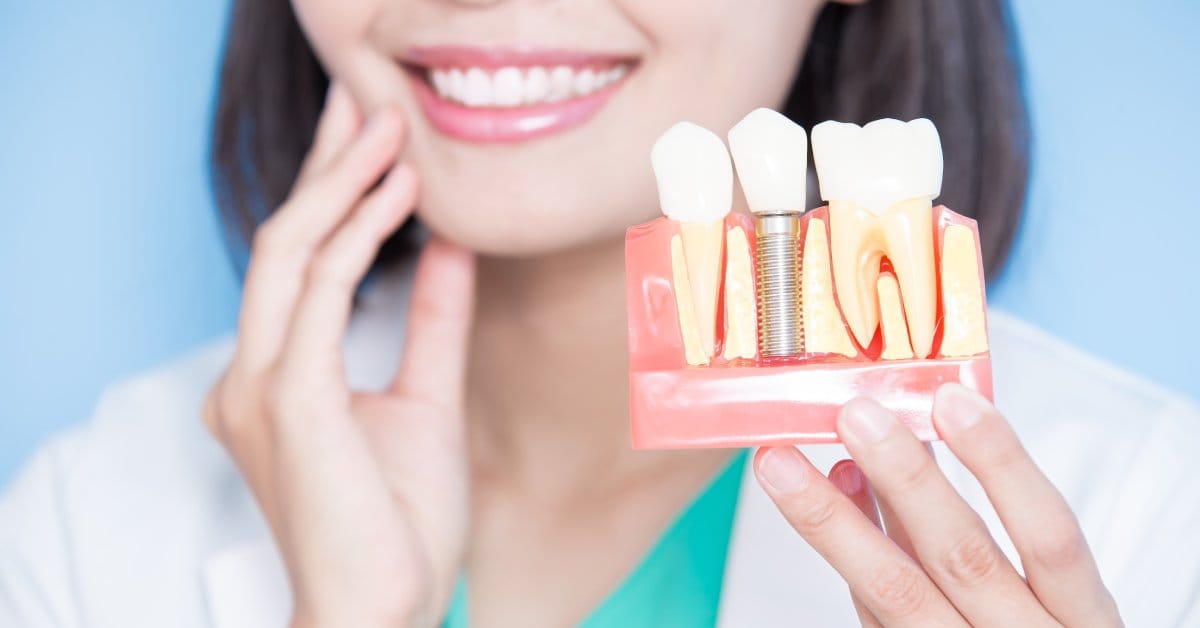
As a practicing dentist, one of the most common questions I get is — “Are dental implants really worth it?” My honest answer, from both clinical experience and emotional observation, is yes — when done correctly and for the right candidate, implants can be life-changing. They are the closest biomedical replacement we have to replicate the look, feel and function of natural teeth. Unlike dentures or bridges that only sit above the gums, implants integrate into the bone and behave like a real tooth root. This prevents bone loss, preserves facial structure and allows patients to eat, speak and smile naturally.
I recently treated a patient, Mr. Reddy, a 38-year-old professional who suffered a traumatic road accident which knocked out two of his upper front teeth. Beyond the physical damage, what truly affected him was the psychological distress — he stopped smiling in public, avoided social dinners and felt “half-complete” as he described it. After careful evaluation, we decided on implant placement. The process took a few months of healing and prosthetic restoration, but the transformation was profound. The day we fixed the final crowns, he looked into the mirror, smiled widely and said, “I feel like myself again.” This — more than the X-rays and clinical success — sums up what implants truly offer.
From a biological perspective, implants are titanium posts placed in the jawbone. The bone heals around them through a natural process called osseointegration, making them stable anchors for crowns or bridges. Unlike traditional bridges, implants do not require grinding down adjacent healthy teeth. Unlike removable dentures, there is no slipping, clicking or food restriction. Patients can bite into apples, laugh without fear and speak confidently. With proper maintenance — brushing, flossing and regular check-ups — implants can last decades.
Of course, implants are not a “one-size-fits-all” solution. Patients must have good oral hygiene, adequate bone support and realistic expectations. Smokers, diabetics and individuals with uncontrolled gum disease need special evaluation. The procedure itself is minimally invasive when planned precisely using digital scans and guided surgery — most patients return to routine work the next day. Pain is usually far less than people anticipate; discomfort is manageable with routine medications.
When patients ask whether they should do implants now or wait, I explain that delaying often leads to progressive bone loss, which only makes the future procedure more complex, expensive and sometimes impossible without grafting. Early replacement helps preserve bone and symmetry.
If there is one message I want people to take away, it is this: tooth loss is not just a cosmetic problem — it is a functional and psychological one. Dental implants are not about replacing a tooth; they are about restoring normalcy, dignity and self-assurance. I have seen it countless times — people don’t just regain their smile, they regain a part of themselves. Just as Mr. Reddy walked out a more confident man, so can anyone who chooses to reclaim their oral health with the right guidance and care.


Add a Comment