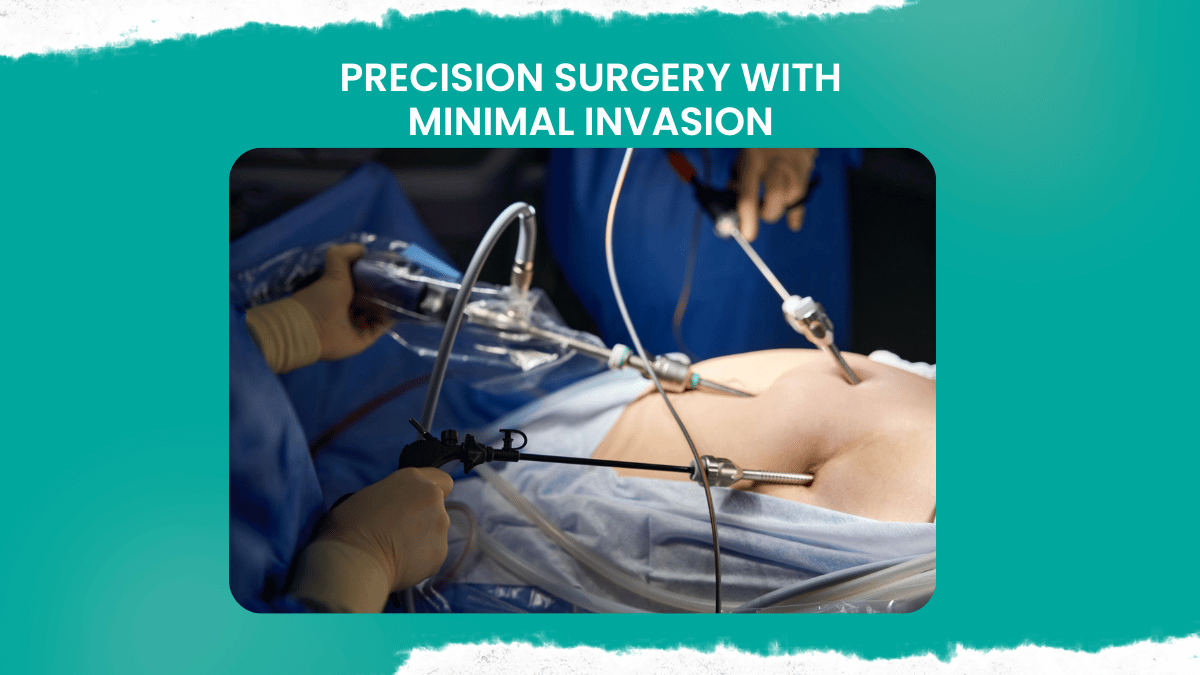
Laparoscopic surgery, also known as minimally invasive surgery, has revolutionized modern medical care. Unlike traditional open surgery, it involves small incisions, specialized instruments, and a camera to perform procedures with precision and minimal trauma to the body.
What is Laparoscopic Surgery?
This advanced surgical technique uses a thin tube with a camera (laparoscope) inserted through small incisions. Surgeons can view internal organs on a screen and perform procedures with high accuracy.
Key Benefits of Laparoscopic Surgery
Minimal Pain: Smaller incisions mean less tissue damage
Faster Recovery: Patients return to normal activities sooner
Reduced Scarring: Tiny incisions lead to better cosmetic outcomes
Lower Risk of Infection: Less exposure reduces complications
Shorter Hospital Stay: Many procedures allow early discharge
Common Procedures Performed
Laparoscopic techniques are widely used for:
Gallbladder removal (cholecystectomy)
Hernia repair
Appendectomy
Gynecological surgeries
Is It Safe for Everyone?
While laparoscopic surgery is safe and effective for most patients, suitability depends on the individual’s condition, medical history, and complexity of the procedure. A detailed consultation helps determine the best approach.
Conclusion
Laparoscopic surgery represents the future of surgical care offering precision, safety, and faster healing. With minimal invasion and maximum benefit, it allows patients to recover quickly and return to their normal lives with confidence.



Add a Comment