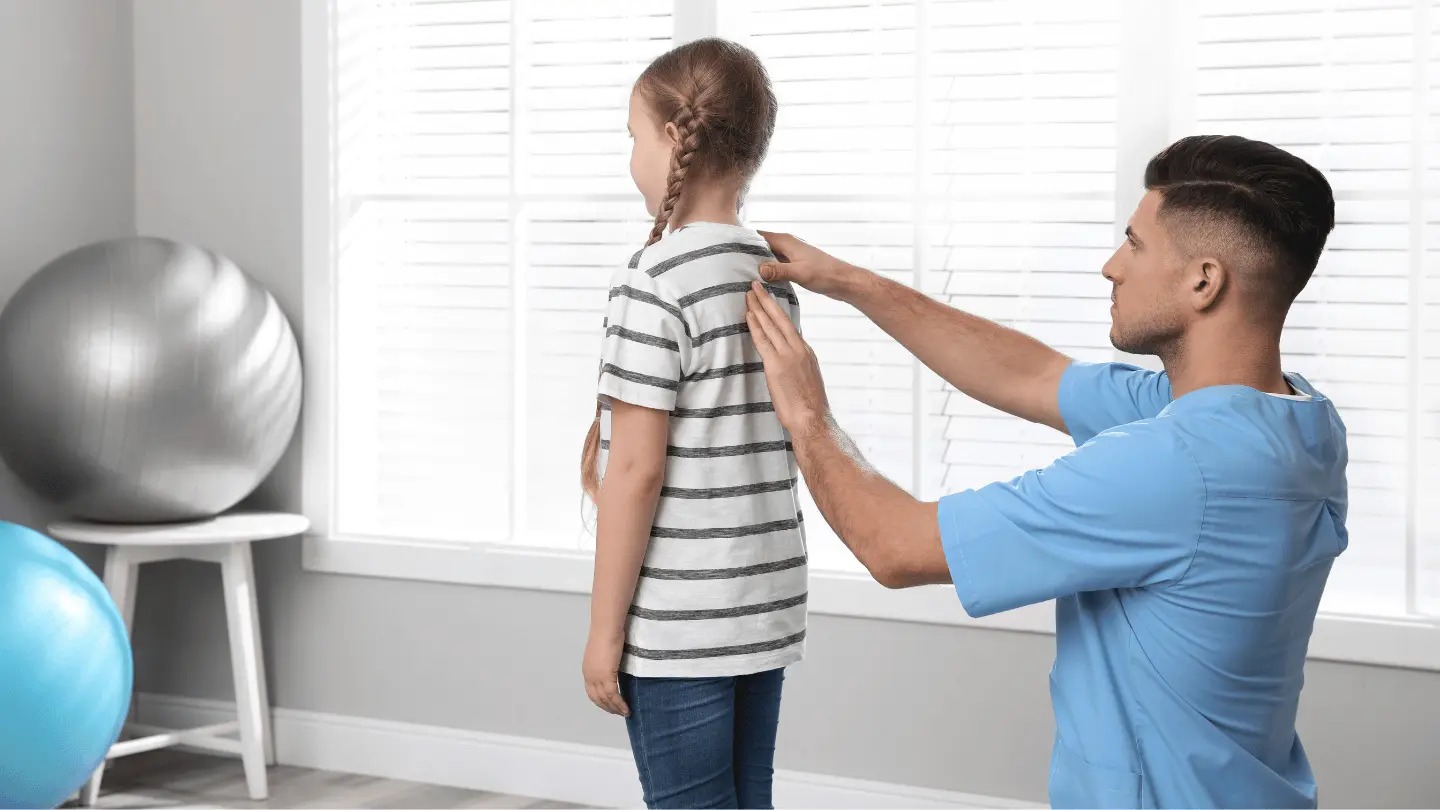
Every child’s spine is a delicate miracle—flexible, strong, and constantly growing. But sometimes, this fragile structure encounters problems that can affect their development, mobility, and overall happiness. As a pediatric neurosurgeon, I have seen firsthand how early diagnosis, compassionate care, and innovative treatment can turn these challenges into stories of resilience. Each case I encounter teaches me that with the right approach, we can help children stand tall and build bright futures.
Understanding Pediatric Spinal Disorders
Children can face various spinal issues, each with its own complexities and treatments. Herniated discs, scoliosis, kyphosis, spondylolisthesis, and neural tube defects like spina bifida are some of the most common conditions that I treat. Though these conditions differ in cause and presentation, my goal remains the same: to restore normal function, alleviate pain, and support healthy growth.
Herniated Discs are less common in kids than adults but can occur from injury or trauma. The disc material compresses nerves, causing pain, weakness, or numbness. Treatment often involves physical therapy, and in severe cases, minimally invasive surgery to remove or stabilize the disc.
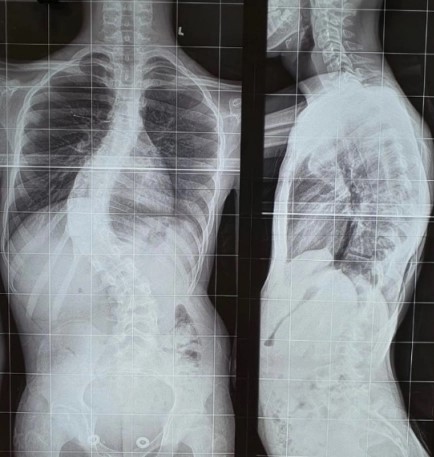
Scoliosis, a sideways curvature of the spine, often develops during growth spurts. Depending on severity, I may recommend observation, bracing, or surgical correction using rods and screws to straighten the spine. Early intervention makes a significant difference in outcomes.
Kyphosis involves an exaggerated forward rounding of the back, which can be due to congenital issues, birth defects, or growth abnormalities. Mild cases may be corrected with physiotherapy, while severe deformities could require surgical stabilization.
Spondylolisthesis occurs when one vertebra slips forward over the one below it, often causing pain and nerve compression. We manage mild cases with rest and physical therapy, but unstable or progressive slips need surgical stabilization to prevent further deterioration.
Spina Bifida, a neural tube defect present at birth, involves incomplete closure of the spinal cord. It requires early surgical intervention to prevent infection and protect neural tissue, along with ongoing multidisciplinary care.
My Approach to Care
Over the years, I’ve learned that each child’s condition demands a bespoke treatment plan. My approach combines the latest surgical techniques with a deep sense of compassion. For example, when treating scoliosis, I often recommend minimally invasive procedures that reduce pain and hospital stay. For neural tube defects like spina bifida, I work closely with pediatric neurologists and rehabilitation teams to support each child's growth and development holistically.
Stories of Hope and Transformation
One young boy, Rohan, had a severe case of scoliosis that was worsening quickly. His parents were worried about how it might impact his participation in sports and school. Together, we decided on a surgical correction using advanced rod stabilization. The surgery was smooth, and Rohan was back on his feet within weeks. Today, he continues to excel in sports and has regained his confidence, reminding me that early intervention and personalized care can truly change lives.
Another inspiring story is of little Anika, born with spina bifida. Her journey saw many hurdles—surgery, physiotherapy, and constant monitoring. But her resilience and the care provided by our team helped her walk independently, attend school, and enjoy childhood fully. Watching her grow, I realize how vital early detection, expert surgical care, and ongoing support are for these young heroes.
Moving Forward with Hope
My role as a pediatric neurosurgeon is not just to treat the spinal problem but to guide families through the complex emotions and uncertainties that come with it. Every child deserves the chance to live pain-free, grow strong, and embrace their potential. With cutting-edge treatment approaches, compassionate care, and a commitment to early intervention, we can help them do just that.
In the end, watching a child stand tall and confident makes all the effort worth it. Their resilience reminds me daily that with the right treatment and a caring heart, even the most challenging spinal disorders can be overcome.
Add a Comment