Hello! I am Dr. Balachandra.
One of the first questions parents ask after a food allergy is diagnosed is:
"Doctor, what should we avoid?"
My answer is simple:
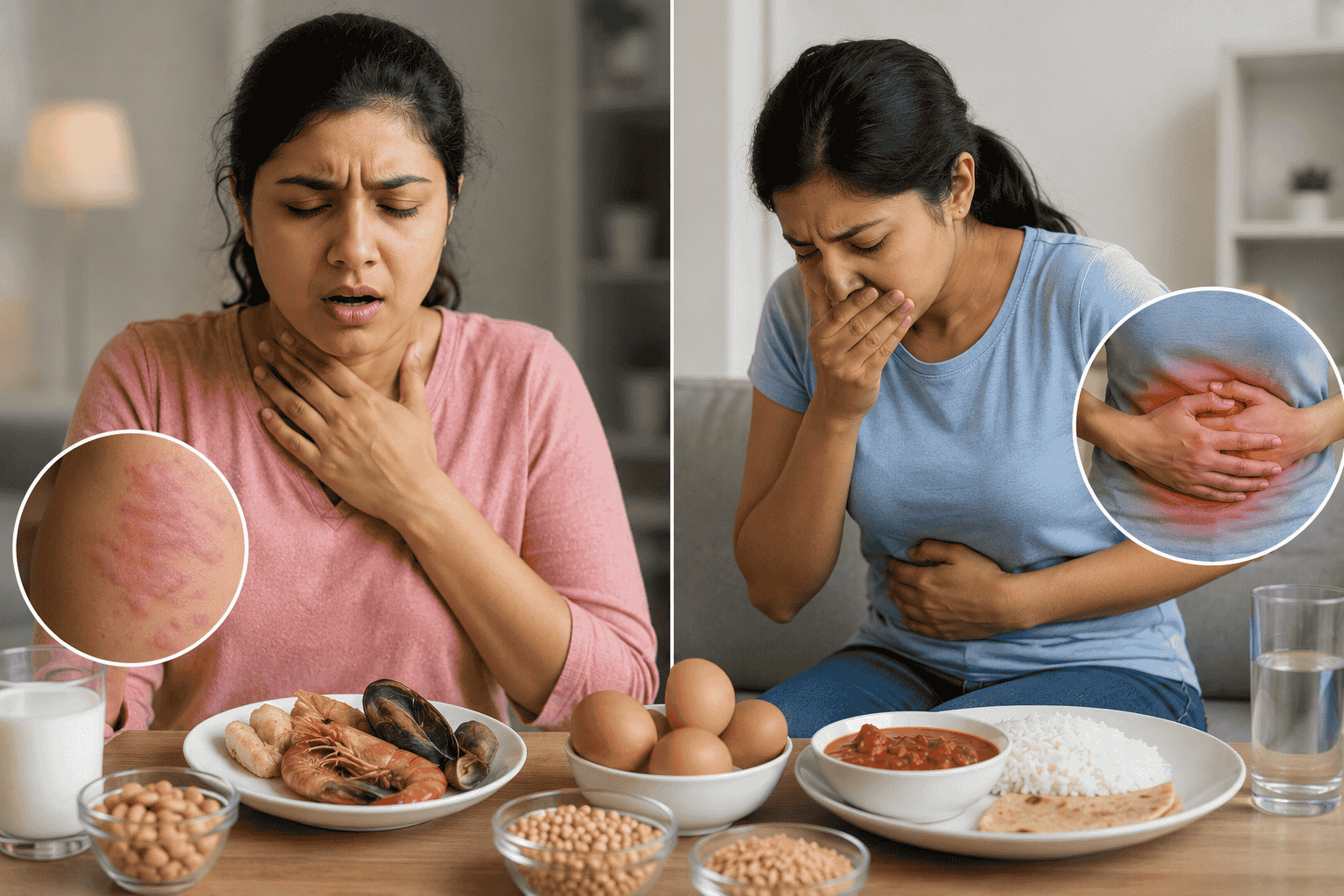
Avoiding the allergen completely is the only effective way to prevent an allergic reaction. Even a tiny amount of the food or accidental contamination can trigger symptoms in sensitive individuals.
The good news is that with a little planning, you can safely enjoy school, travel, celebrations, and everyday life.
Stay Safe Wherever You Go
At Home
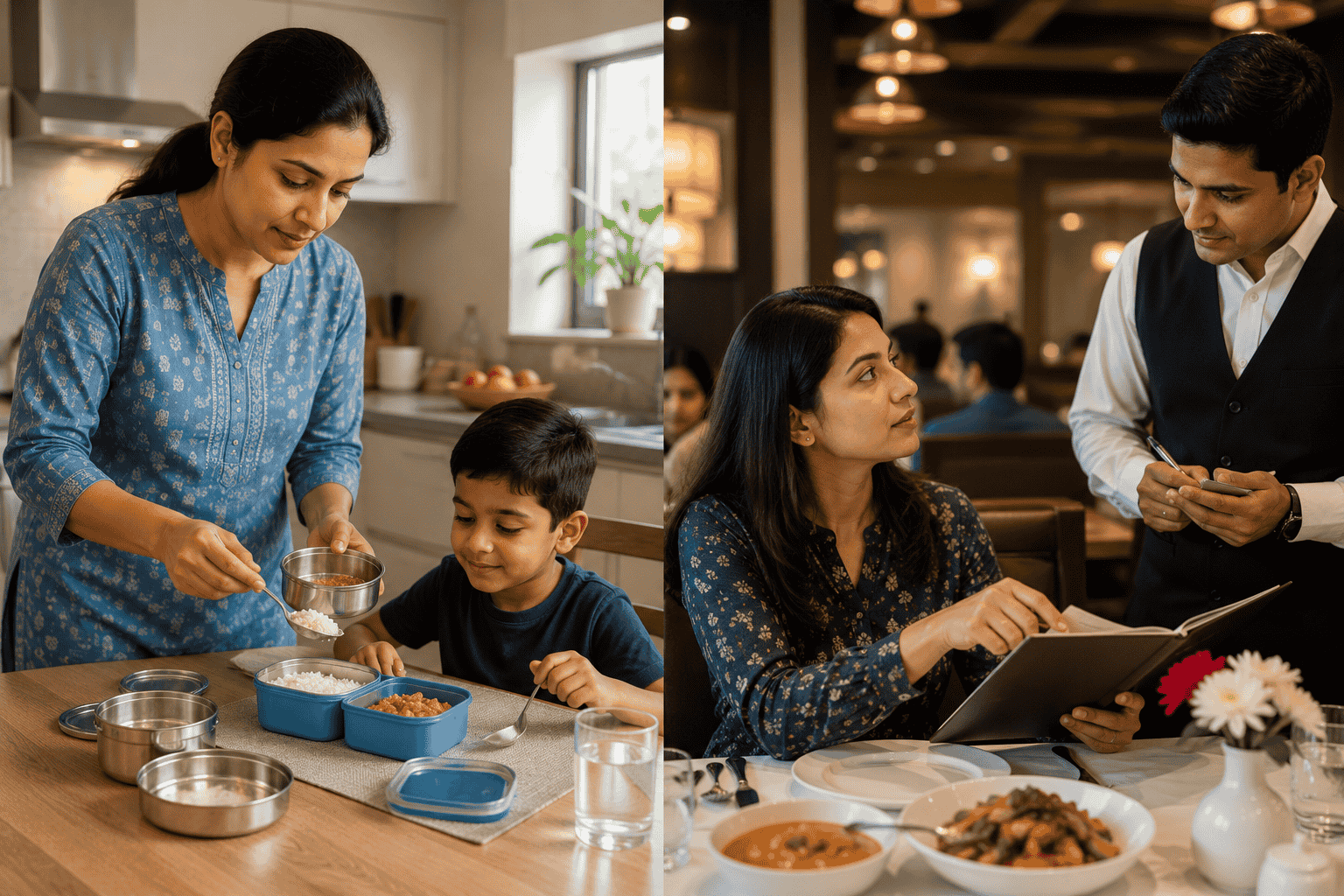
The safest option is not to keep the allergenic food at home. If other family members consume it, prepare and store it separately using dedicated utensils to reduce the risk of cross-contamination.
At School or Work
Inform teachers, school staff, friends, colleagues, and caregivers about the food allergy. Make it clear that food should never be shared.
At Parties
Carry your own safe meal or snacks. Only eat food if the person who prepared it can confidently confirm that it does not contain your allergen.
At Restaurants, Weddings & Functions
Ask whether the dish is free from your allergen and whether it was prepared using separate utensils and cooking equipment. When in doubt, it is safer to eat food you have brought with you.
While Travelling
Pack safe snacks and meals whenever possible. Always check ingredients before eating food prepared by others.
Learn to Read Food Labels
Every time you buy packaged food:
- Read the complete ingredient list carefully.
- Remember that allergens may appear under different names.
- Watch for statements such as "May contain…" or "Processed in a facility that also handles…", which indicate possible cross-contamination.
- Be especially cautious with sauces, gravies, bakery products, chocolates, desserts, and foods cooked in shared oil.
Even if you have purchased the same product before, check the label again because ingredients can change.
Be Prepared for an Emergency
Preparation saves lives.
Always:
- Inform family members, teachers, friends, and caregivers about the allergy.
- Carry your prescribed adrenaline auto-injector (EpiPen®) if recommended by your doctor.
- Keep your written anaphylaxis action plan with you.
- Ensure the people around you know how to recognize a severe allergic reaction and when to seek emergency medical help.
Frequently Asked Questions (FAQs)
What is the best treatment for a food allergy?
The most effective treatment is complete avoidance of the confirmed food allergen.
Can a tiny amount of food trigger an allergic reaction?
Yes. Even small amounts or cross-contamination can cause reactions in highly sensitive individuals.
Why should I read food labels every time?
Food manufacturers may change ingredients or production methods without notice.
Is it safe to eat at restaurants if I have a food allergy?
Yes, but only after confirming the ingredients and ensuring that the food has not been prepared using shared utensils or equipment.
Should I always carry an EpiPen?
If your doctor has prescribed an adrenaline auto-injector because of the risk of anaphylaxis, you should carry it with you at all times.
Final Thoughts
Living with a food allergy does not mean living in fear. It means being informed, prepared, and cautious.
By avoiding your allergen, reading labels carefully, preventing cross-contamination, and carrying emergency medication when advised, you can confidently enjoy daily life while staying safe.
Contact Chirayu Multispeciality Clinic
Dr. Balachandra B V
Consultant Pediatrician & Allergy Specialist
Kasturi Nagar, Bangalore
If you or your child has a confirmed or suspected food allergy, schedule a consultation with Dr. Balachandra B V for comprehensive allergy evaluation, food allergy testing, personalized avoidance strategies, and an emergency action plan to help you stay safe every day.


Add a Comment