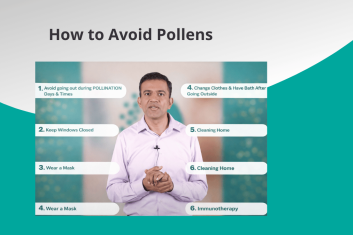
Pollen allergies are a widespread issue, triggering discomfort and severe symptoms each season as various pollens fill the air[1]. While complete avoidance is nearly impossible, there are practical strategies to minimize exposure and improve quality of life for those affected.
Peak Pollination Hours:
👉 Most plants release pollens early in the morning (8–10 AM) and late afternoon (4–6 PM). Limit outdoor activities during these times to reduce exposure.
Keep Windows Closed:
👉 Keep all windows closed, especially at peak pollen hours, to prevent outdoor pollens from entering your home.
Use Air Conditioning:
👉 Utilize air conditioning whenever possible, as it filters indoor air and helps decrease pollen levels inside the house.
Wear a Mask Outdoors:
👉 If outdoor travel is unavoidable during high pollen periods, wearing a mask offers added protection against inhaling these particles.
Shower and Change Immediately:
👉 After coming indoors, promptly shower and change clothes to remove any pollens attached to skin or fabrics
Clean with Wet Mopping:
👉 Clean your home using wet mopping techniques rather than dry dusting, which can stir up pollen particles instead of removing them.
Discuss Immunotherapy:
👉 For ongoing allergy symptoms, consult your doctor about immunotherapy treatment to help build tolerance to specific pollens.
👉 Following these targeted steps can help manage pollen allergies and support better respiratory health throughout the season.

Add a Comment