Recurrent colds are often dismissed as minor, seasonal inconveniences. However, frequent episodes of the common cold can signal deeper health concerns and significantly affect your quality of life. The common cold, primarily caused by viruses like the Rhinovirus, affects the upper respiratory tract and is one of the most frequent illnesses worldwide. When colds occur repeatedly, they may indicate weakened immunity, allergies, or chronic sinus issues. Ignoring recurrent colds can lead to complications such as sinusitis, ear infections, and even worsening respiratory conditions like Asthma.
From my clinical experience, I have seen many patients who initially ignored frequent colds, assuming they were harmless. Over time, these patients began experiencing persistent fatigue, reduced productivity, and frequent absenteeism from work or school. In some cases, recurrent infections were linked to underlying issues such as poor nutrition, stress, or undiagnosed allergies. Early evaluation and timely management can prevent these recurring episodes from developing into chronic health problems. Addressing the root cause rather than just treating symptoms is crucial for long-term well-being.
What Causes Recurrent Colds?
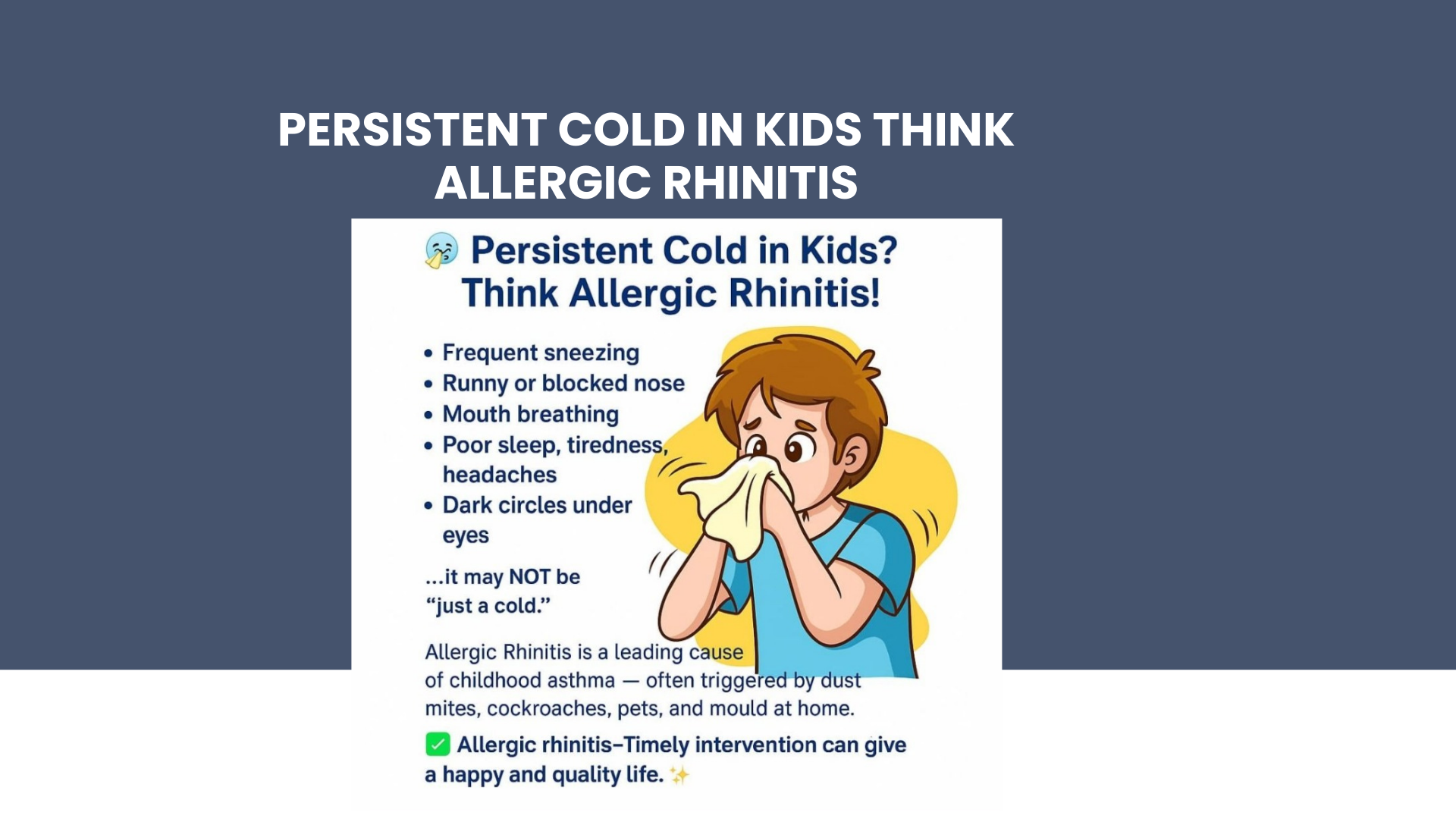
Several factors contribute to repeated cold episodes. A weakened immune system is one of the primary reasons, making individuals more susceptible to infections. Poor dietary habits, lack of sleep, and high stress levels can reduce the body’s natural defense mechanisms. Environmental triggers such as pollution, dust, and seasonal changes also play a significant role. Additionally, individuals with allergies or conditions like chronic sinusitis may experience symptoms that mimic or worsen colds, leading to frequent recurrences.
Symptoms You Should Not Ignore
While a single cold may resolve within a few days, recurrent colds often come with persistent symptoms. These include a runny or blocked nose, sore throat, cough, headaches, and general fatigue. If symptoms last longer than 10 days, recur frequently, or are accompanied by high fever or breathing difficulty, it is important to seek medical advice. Ignoring these warning signs can result in complications and prolonged discomfort.
Impact on Overall Health
Frequent colds can weaken your overall health over time. Repeated infections can lead to chronic inflammation of the respiratory tract, affecting lung function and increasing the risk of more serious conditions. It can also impact mental well-being, causing irritability, poor concentration, and reduced energy levels. Children and elderly individuals are particularly vulnerable, as recurrent infections can interfere with growth, development, and daily functioning.
Prevention and Management Tips
Preventing recurrent colds involves strengthening your immune system and adopting healthy lifestyle habits. A balanced diet rich in vitamins and minerals, especially Vitamin C and zinc, plays a key role in immunity. Regular exercise, adequate sleep, and stress management are equally important. Practicing good hygiene, such as frequent handwashing, can reduce exposure to viruses. Identifying and managing allergies or underlying conditions can also help prevent repeated infections.
When to See a Doctor
If you experience frequent colds more than 5–6 times a year, or if symptoms are severe and persistent, it is advisable to consult a healthcare professional. A proper evaluation can help identify underlying causes and provide targeted treatment, reducing the frequency and severity of future episodes.
Conclusion
Recurrent colds should never be taken lightly. What may seem like a minor issue can gradually impact your overall health and daily life. Early recognition, lifestyle changes, and timely medical care are key to preventing complications. Prioritizing your immune health today can help you stay healthier and more productive in the long run.
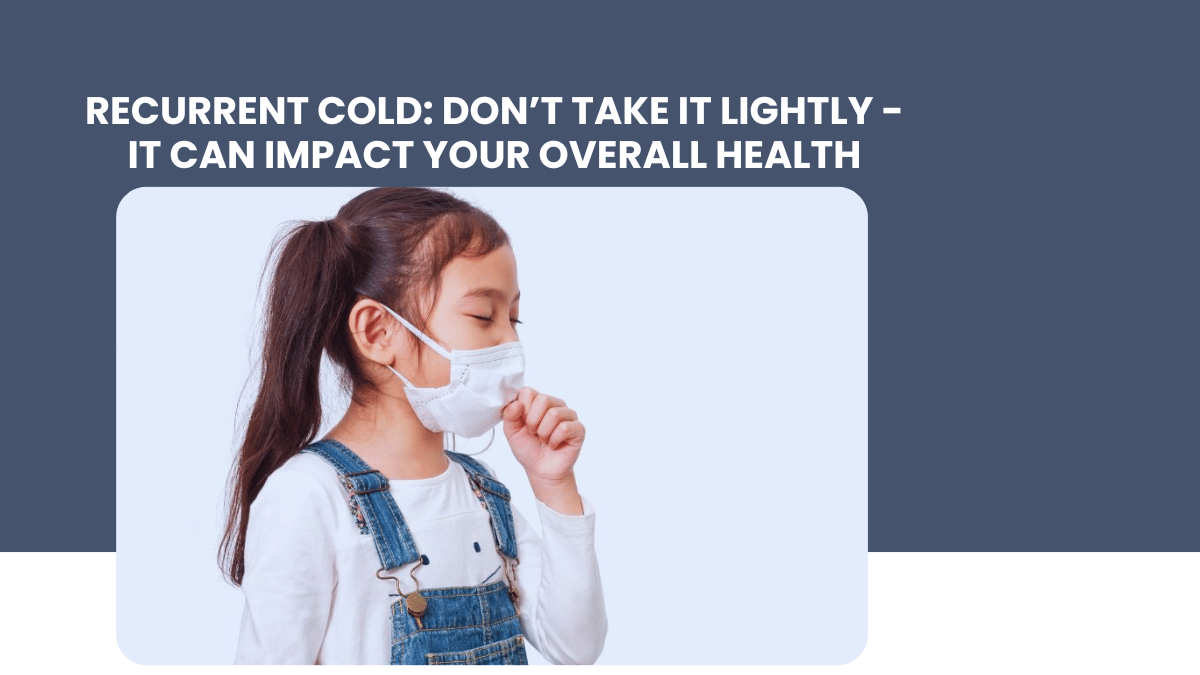
Recurrent Cold: Don’t Take It Lightly - It Can Impact Your Overall Health

Add a Comment