Throughout my years of practicing pediatrics, I’ve seen children whose lives are quietly affected by allergies—sometimes unnoticed, sometimes misdiagnosed. The truth is, childhood allergies are more common than most parents realize, and catching them early can make a world of difference. From subtle skin rashes to recurrent respiratory issues, allergies can present in many forms. My goal is to share some of my experiences and guide parents in recognizing the warning signs early, so they can seek proper care in time.
Let me tell you about little Avinash. He was a bright, energetic 2-year-old who suddenly developed persistent rashes that wouldn't go away. His parents thought it was just eczema or a skin irritation, but after a detailed history, I found out Ravi kept itching even after trying multiple creams. I asked about his environment, foods, and exposure to animals. It turned out he was allergic to dust mites and certain foods—the allergy tests confirmed it. Early intervention helped Ravi’s parents avoid known triggers and significantly improved his comfort and skin health.
Many childhood allergies fall into common patterns, but identifying them early requires a keen eye and a watchful attitude from parents. Here are some of the most typical allergies I encounter in children and how you might recognize them:
Allergic Rhinitis (Hay Fever)
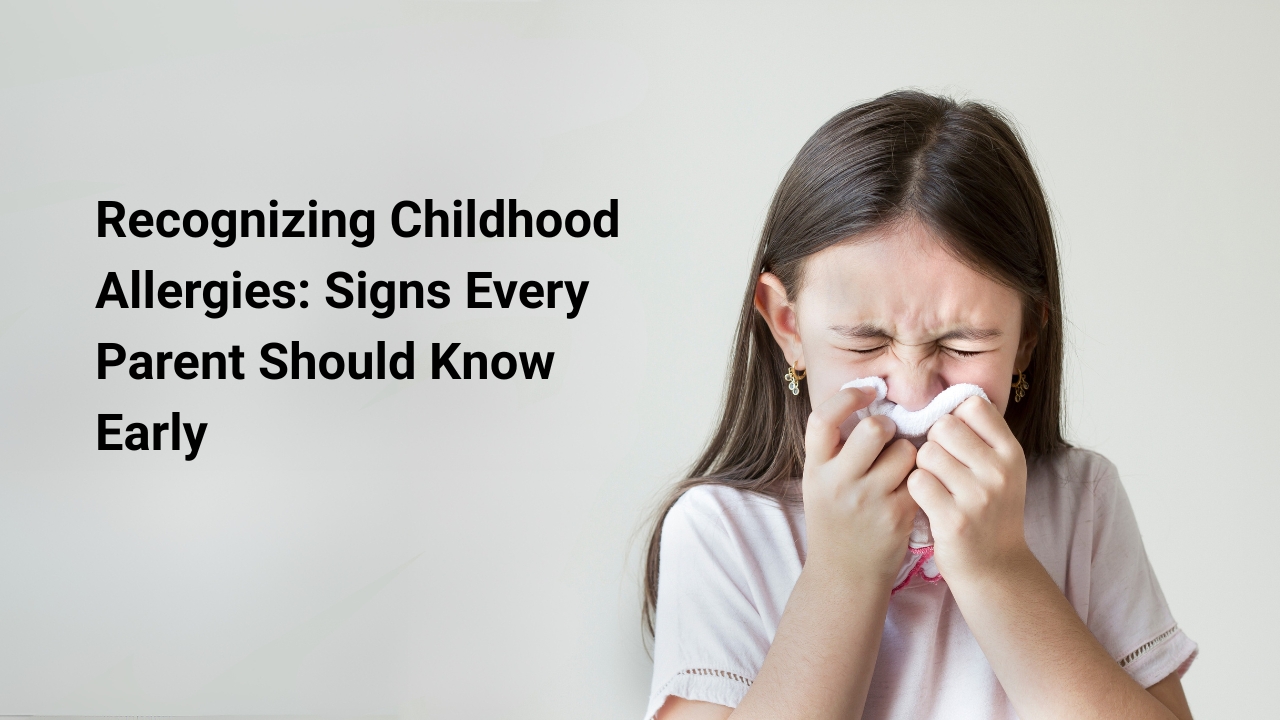
This is very common, especially during certain seasons. Kids may have frequent sneezing, a runny or blocked nose, itchy or watery eyes, and sometimes headaches. They often rub their noses or scratch their eyes. I’ve seen children like Neha, a 5-year-old, whose constant sneezing and nasal congestion were initially mistaken for recurrent colds, but allergy testing revealed dust and pollen allergies. Early identification allows for appropriate allergy medications and environmental modifications.
Food Allergies
Some children develop allergic reactions after eating specific foods like eggs, cow’s milk, nuts, or seafood. Symptoms can range from mild (hives, stomach pain, vomiting) to severe (swelling of the face, difficulty breathing). I recall a case where 3-year-old Akash suddenly developed swelling of his lips and trouble breathing after eating peanuts. Prompt emergency treatment saved him, and subsequent allergy testing guided his dietary adjustments. Never ignore persistent or severe reactions—these require immediate medical attention.
Skin Allergies (Eczema, Hives)
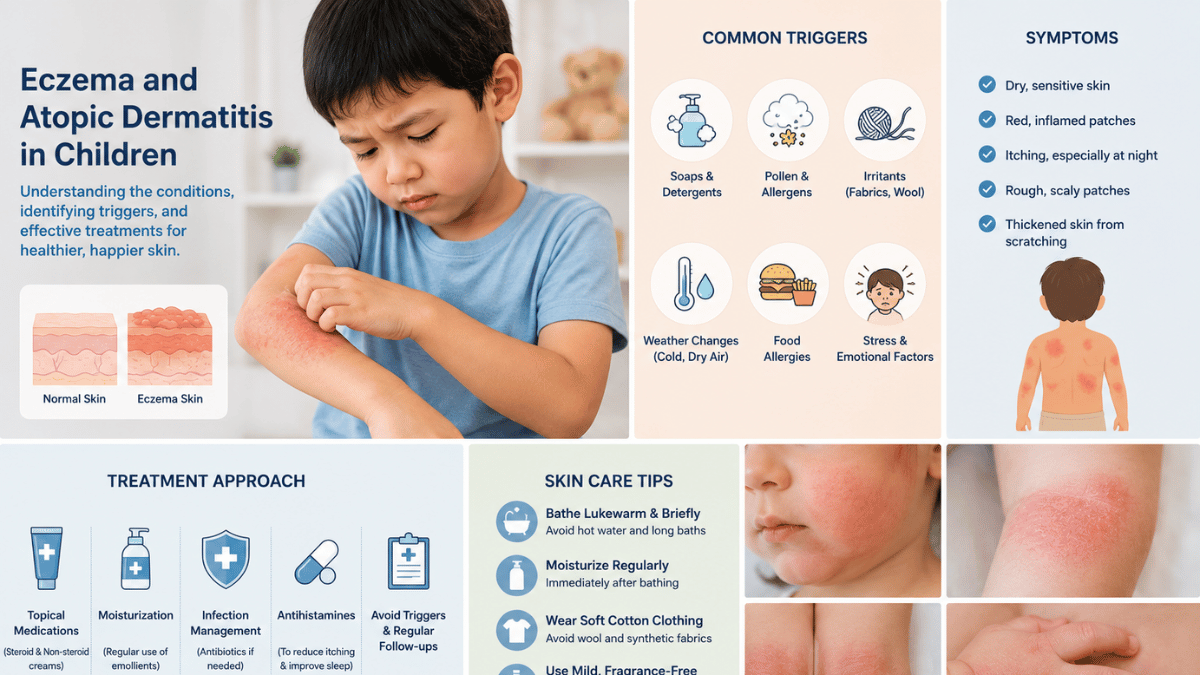
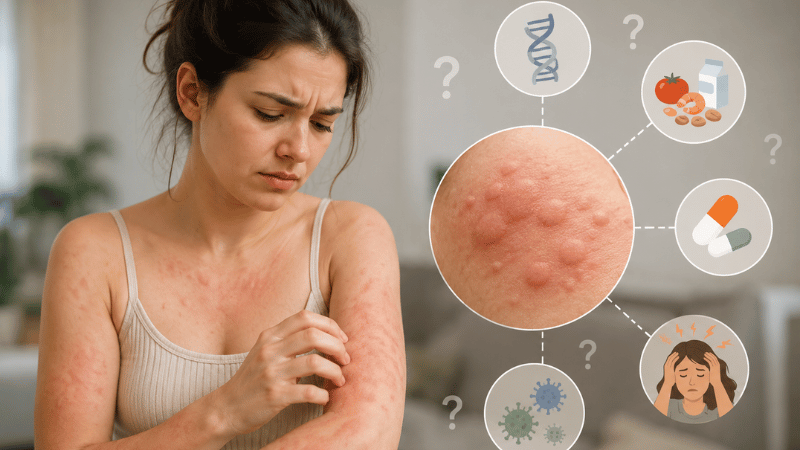
Eczema presents as dry, itchy patches on the skin that may blister or become infected if scratched. Hives appear as red, raised, and itchy welts, often appearing suddenly in response to allergens like detergents or certain foods. I see many children with eczema benefitting from a combination of gentle skincare, allergy testing, and avoiding triggers.
Insect Sting Allergies:
Some children have significant reactions to insect stings from bees or wasps, leading to swelling, redness, or even anaphylaxis in severe cases. Recent experience with a 7-year-old who was stung during a picnic made me emphasize the importance of allergy testing and carrying emergency medication if needed.
Recognition and Action:
The key to managing allergies effectively is early recognition. Look for recurrent symptoms that don’t resolve with usual treatments—persistent skin conditions, frequent colds that don't improve, or reactions suddenly appearing after specific foods or environments. Keep a diary of your child's symptoms and exposures; this is incredibly helpful when consulting your pediatrician or allergist.
Most importantly, never dismiss allergic reactions, especially if they are severe or worsening. Allergies can be managed effectively with medications, environmental modifications, and sometimes allergy immunotherapy. But the first step is awareness and early detection.
Over the years, I’ve seen children thrive once their allergies are well-controlled. My advice to parents: listen carefully to your child's signs, observe patterns, and don’t hesitate to seek expert evaluation. Recognizing allergies early not only relieves your child's discomfort but also prevents more serious complications down the line.
Because every child deserves the chance to breathe, eat, and play happily—free from allergy worries. And your vigilance is the most powerful tool in making that happen.

Add a Comment