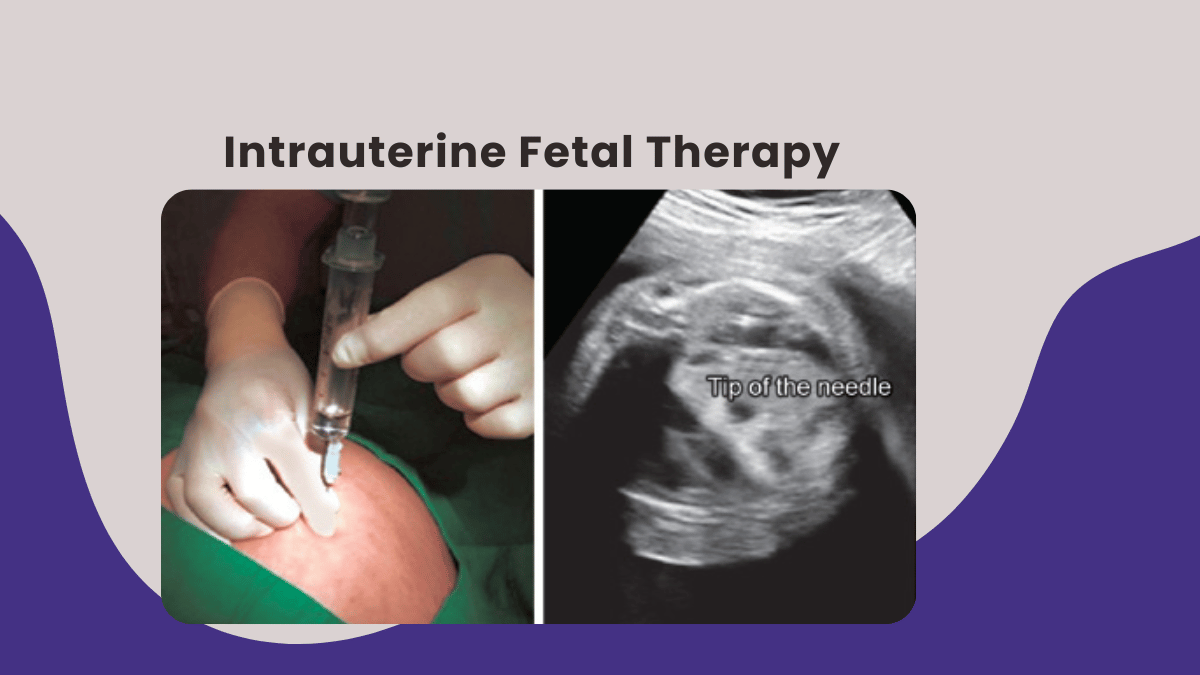
Medical science has made remarkable progress in the field of fetal medicine, allowing doctors to treat certain conditions even before a baby is born. Intrauterine fetal therapy involves specialized procedures performed inside the womb to correct or manage fetal conditions. These advanced treatments have significantly improved survival rates and long-term outcomes for babies diagnosed with complex conditions during pregnancy.
In my practice, performing intrauterine procedures requires not only technical expertise but also a deep sense of responsibility. Each case is unique, and I carefully evaluate the risks and benefits before recommending any intervention. I have witnessed how timely fetal therapy can make a life-changing difference, offering hope to families facing challenging diagnoses. Supporting parents through these decisions is an equally important part of my role.
Common intrauterine procedures include fetal blood transfusions, shunt placements for fluid drainage, and treatments for twin-to-twin transfusion syndrome. These procedures are typically guided by advanced ultrasound imaging to ensure precision and safety. The goal is to stabilize or treat the condition while the baby is still in the womb, reducing complications after birth.
Not all conditions require intervention, but in selected cases, fetal therapy can prevent disease progression and improve survival chances. Close monitoring and a multidisciplinary approach involving obstetricians, fetal medicine specialists, and neonatologists are essential for achieving the best outcomes.
Conclusion
Intrauterine fetal therapy represents a breakthrough in prenatal care, offering life-saving solutions before birth. With expert care and timely intervention, many high-risk pregnancies can now result in healthy outcomes and brighter beginnings.

Add a Comment