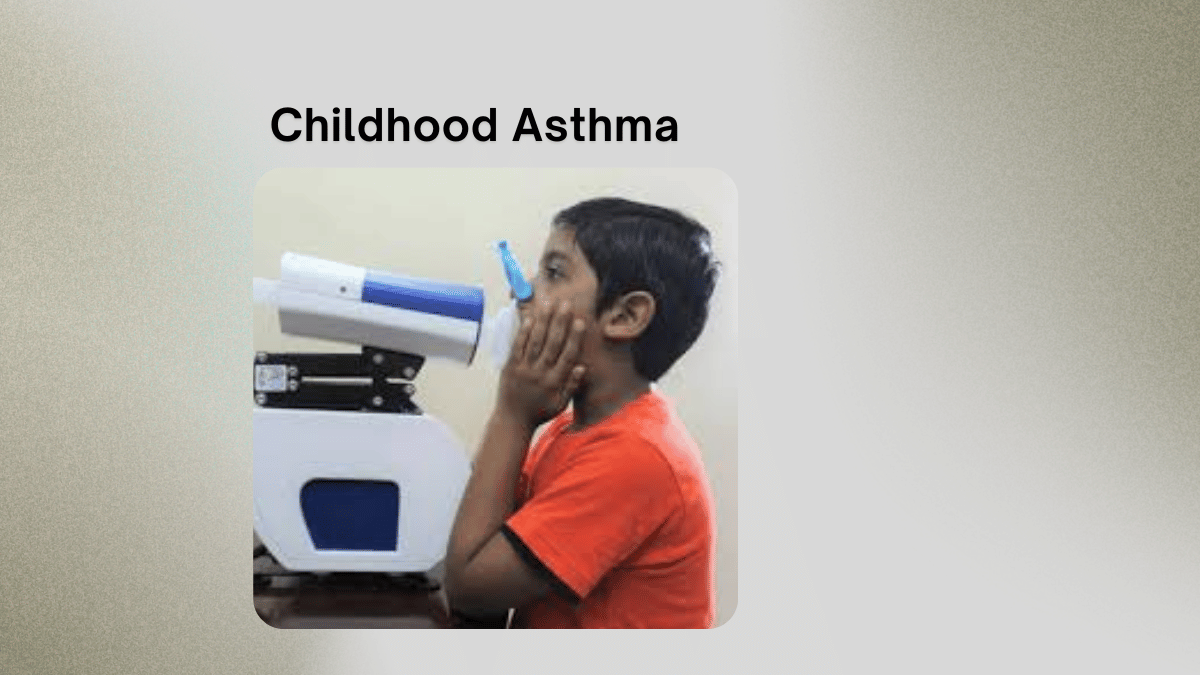
Childhood asthma is one of the most common chronic respiratory conditions affecting children worldwide. Characterized by recurrent wheezing, persistent cough, chest tightness, and breathlessness, pediatric asthma can significantly impact a child’s daily activities, sleep quality, and school performance if not properly managed. Early diagnosis and structured asthma management are crucial in preventing frequent exacerbations and hospitalizations. Modern pediatric pulmonology focuses on identifying triggers such as allergens, viral infections, pollution, and weather changes, while tailoring individualized treatment plans that include inhaled medications, trigger avoidance, and regular follow-up. With appropriate asthma education and correct inhaler techniques, most children can lead completely active and healthy lives.
In my three decades of pediatric practice, I have seen how childhood asthma can either disrupt a family’s peace or become a well-controlled condition with the right guidance. As a pediatric pulmonologist, I have worked closely with parents who initially feared every episode of wheezing. Over time, with proper counseling, inhaler training, and step-wise asthma therapy, these same families gained confidence in managing symptoms at home. I strongly believe that asthma control is not just about prescribing medication it is about empowering parents and children with knowledge. When families understand early warning signs, trigger prevention, and the importance of adherence to maintenance therapy, hospital visits reduce dramatically.
Effective long-term asthma control requires a comprehensive and evidence-based approach. This includes accurate diagnosis using pediatric lung function testing such as spirometry and Forced Oscillation Technique (FOT), identifying allergic components, and categorizing asthma severity. Treatment plans often involve inhaled corticosteroids, bronchodilators, and individualized action plans for flare-ups. Regular monitoring ensures that therapy is adjusted according to the child’s growth and symptom pattern. Preventive strategies such as reducing indoor air pollution, avoiding tobacco smoke exposure, maintaining vaccinations, and encouraging physical activity play a vital role in improving respiratory health.
One of the biggest myths surrounding childhood asthma is that children will “outgrow” it without proper treatment. While some symptoms may improve with age, uncontrolled asthma can lead to persistent airway inflammation and long-term complications. Early intervention not only reduces emergency visits but also protects lung development during crucial growth years. Schools and caregivers should also be educated about asthma action plans to ensure immediate and appropriate response during episodes.
In conclusion, childhood asthma is a manageable condition when addressed proactively with early diagnosis, structured treatment, and continuous education. With the right pediatric respiratory care, children with asthma can participate in sports, attend school regularly, and enjoy a normal childhood. The key lies in awareness, adherence to treatment, and partnership between doctor, child, and parents because well-controlled asthma today ensures healthier lungs tomorrow.

Add a Comment