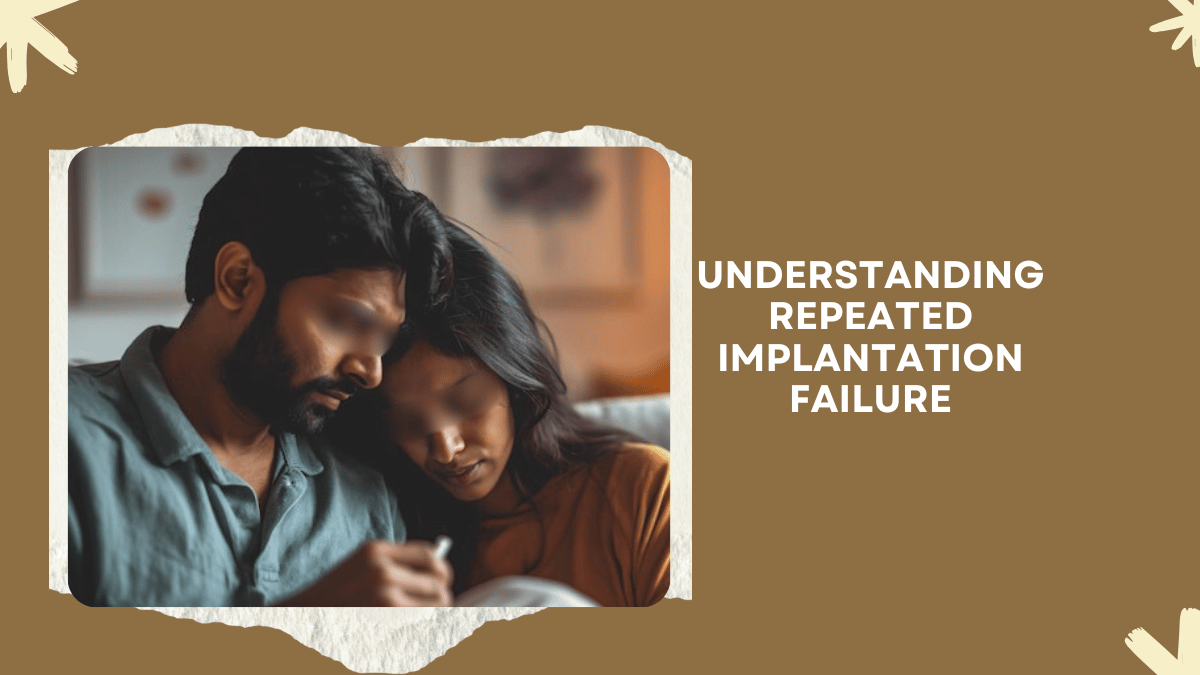
Facing multiple miscarriages can be one of the most heart-wrenching and confusing experiences for couples trying to conceive, and I have witnessed firsthand how deeply it affects their lives.Over my years of practice as an Infertility and Recurrent Pregnancy Loss Specialist, I have met many couples struggling with repeated miscarriages. The emotional toll, coupled with uncertainty about the future, often makes this one of the most challenging conditions in reproductive medicine.
Causes of Recurrent Pregnancy Loss:
Recurrent pregnancy loss, defined as two or more consecutive miscarriages, can result from multiple factors:
- Genetic abnormalities in one or both partners
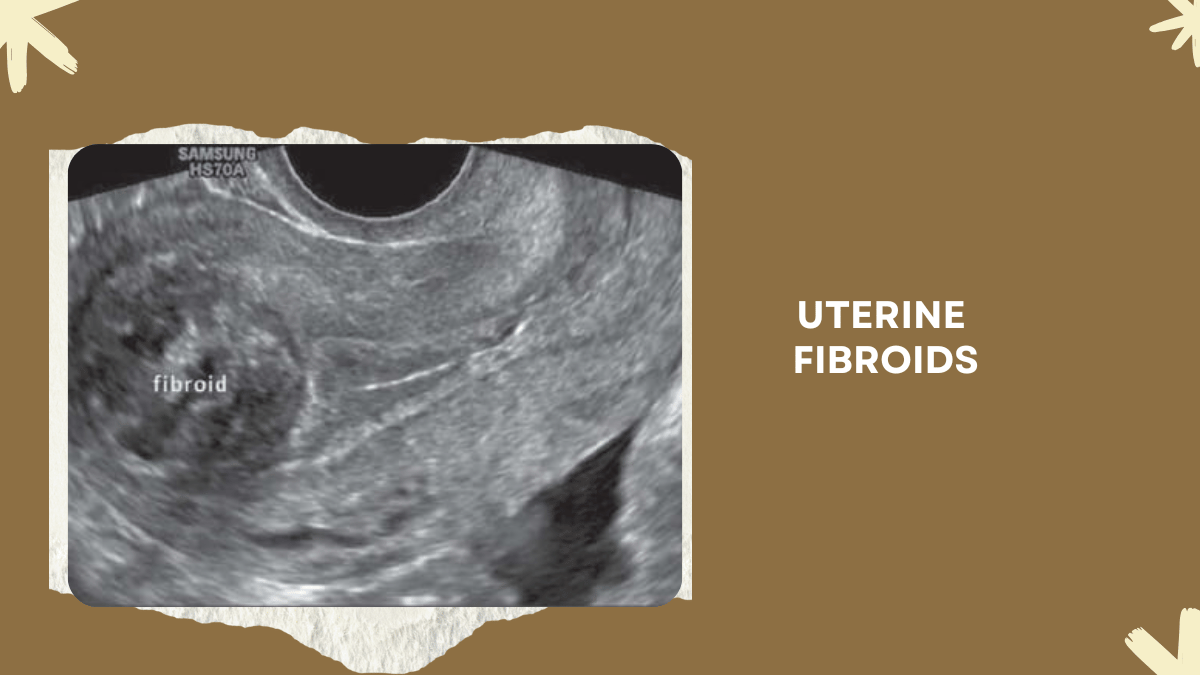
- Uterine structural issues such as fibroids, septum, or adhesions
- Hormonal imbalances, including thyroid disorders or luteal phase defects
- Immune system dysfunction, including antiphospholipid syndrome
- Lifestyle and environmental factors, including stress, smoking, and metabolic disorders
👉 Each patient is unique, and understanding the underlying cause is crucial for creating an effective treatment plan.
Treatment Plan:
In my experience, a personalized, stepwise approach works best. Initial evaluation includes detailed hormonal, genetic, and uterine assessments, along with screening for immune factors. Depending on the findings, treatment may include:
- Hormonal therapy to support early pregnancy
- Surgical correction of uterine abnormalities
Immune modulation therapies:
- Preconception counseling and lifestyle optimization
- Assisted reproductive techniques such as IVF with preimplantation genetic testing in selected cases
👉 For example: I recently worked with a patient, “Nisha” (name changed for privacy), who had experienced three consecutive miscarriages. Through detailed evaluation, we identified mild uterine adhesions and hormonal imbalance. After corrective surgery, hormone support, and close monitoring, she successfully carried her fourth pregnancy to term.
Impact on Patients:
RPL can be devastating, affecting emotional well-being, relationships, and mental health. I always emphasize the importance of psychological support alongside medical treatment. Counseling, stress management, and open communication help couples navigate this difficult journey.
Conclusion:
Recurrent pregnancy loss, while emotionally challenging, is manageable with a careful, evidence-based approach. By identifying underlying causes, personalizing treatment plans, and providing emotional support, many couples can achieve successful pregnancies. My experience has shown that persistence, expert guidance, and hope transform repeated setbacks into successful outcomes, offering couples the opportunity to realize their dream of parenthood.


Add a Comment