
Every 25 July, the world marks World IVF Day - the anniversary of the birth of Louise Brown in 1978, the first baby conceived through in vitro fertilisation. As a Fertility and IVF Specialist at Motherhood Fertility and IVF Center, HRBR Layout, Bengaluru, with 25 years of experience navigating this field, I think of this day a little differently from how it is usually discussed. The conversation tends to focus on success rates, technological milestones, and the number of babies born. Those things matter. But what I have come to care most deeply about, across thousands of patient journeys, is something quieter: the quality of the care that happens between the first consultation and the last. Specifically, I have spent much of my career asking whether minimal stimulation IVF - using lower doses of medication to retrieve fewer but healthier eggs - might serve certain patients better than aggressive conventional protocols.
The Problem with More
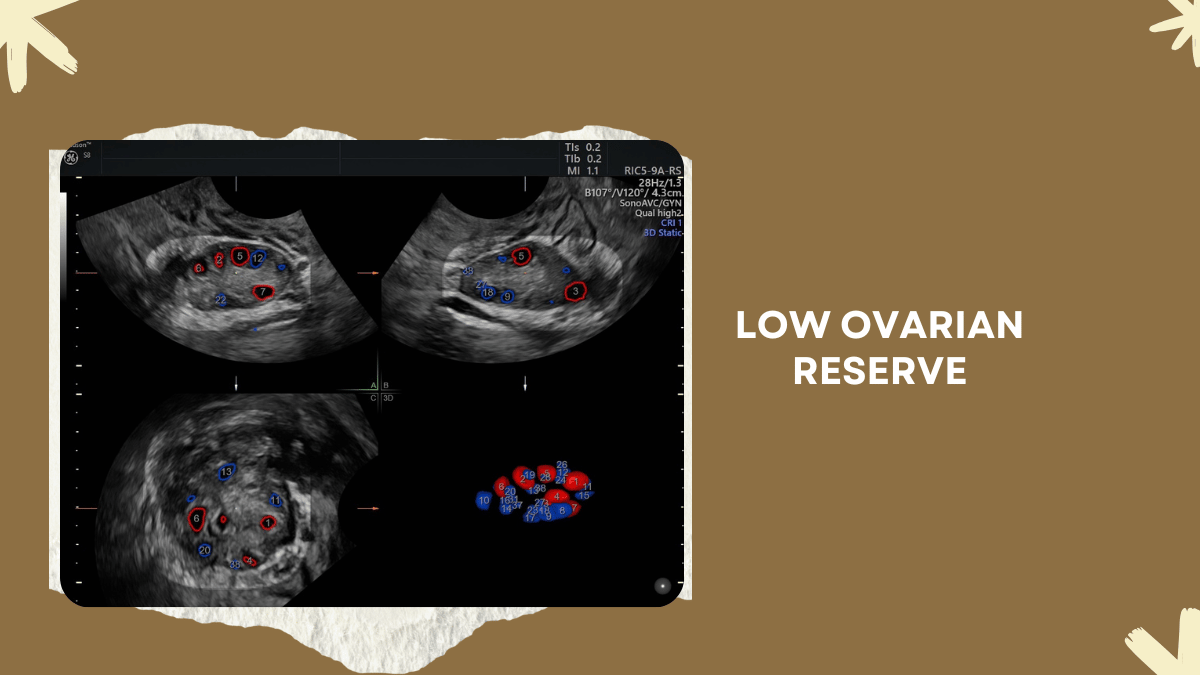
In fertility medicine, more has long been associated with better. More stimulation. More eggs. More embryos. The logic seems intuitive, but after 25 years of working with couples, many of whom arrive after failed cycles elsewhere, I have become increasingly convinced that this logic has limits. High-dose stimulation can stress the ovarian environment, affect egg quality, disrupt the hormonal conditions needed for implantation, and take a significant toll on the patient's body and emotional reserves. For women with poor ovarian reserve, for those who have had repeated failed cycles despite good-looking embryos, and for those whose bodies have reacted badly to aggressive stimulation in the past, a gentler approach sometimes changes the outcome entirely. This is the heart of my interest in ethical fertility care: matching the treatment to the patient rather than applying the same high-stimulation protocol to everyone.
What I Have Learned From Complex Cases
The patients I find most meaningful to work with are those who have been told, in effect, that they have run out of options. Recurrent implantation failure - where good embryos repeatedly fail to implant. Recurrent pregnancy loss - where conception happens but pregnancy does not continue. Repeated IVF failures despite what appear to be good embryo grades. These are the cases where the standard approach has already been tried, and what is needed is not more of the same but a genuinely different lens.
The evaluation I offer these patients looks beyond the standard semen analysis and hormone panel. It includes investigation for immunological factors, uterine abnormalities that standard imaging might miss, unexplained hormonal influences on the endometrium, and an honest conversation about whether the stimulation protocol used in previous cycles may have been working against the patient's biology rather than with it. Not every case can be solved. But many can be reframed, and sometimes reframing is all it takes. A couple who came to me after four failed IVF cycles at other centres - diagnosed with unexplained recurrent failure - conceived on their first minimal stimulation cycle with us. The embryo count was lower. The process was calmer. The outcome was different. This World IVF Day, I want couples in similar situations to know that a different approach exists, and that seeking it out is not giving up on IVF. It is asking better questions about what kind of IVF is right for your specific biology. That is the only question that has ever really mattered.
A Day to Honour the Journey, Not Just the Destination
IVF is extraordinary technology. But technology is only as good as the thinking behind how it is used. On this World IVF Day, I am thinking of every couple still in the middle of their journey - the ones who are tired, hopeful, frightened, and determined all at once. My message to them is this: the fertility journey is not a single road with one correct path. If something has not worked, it does not mean nothing will work. It may simply mean that the approach needs to change, and that somewhere in that change, the answer is waiting.
To book a consultation with Dr. Kusuma M Vijay at Motherhood Fertility and IVF Center, HRBR Layout, Bengaluru (Monday to Saturday).
Written by Dr. Kusuma M Vijay, MBBS (Karnataka Institute of Medical Sciences, Hubli, 2001), DGO (Mahadevappa Rampure Medical College, Gulbarga, 2005), DNB Obstetrics and Gynaecology (2010), Consultant IVF, Reproductive Medicine and Fertility Specialist, Motherhood Fertility and IVF Center, HRBR Layout, Bengaluru.

Add a Comment