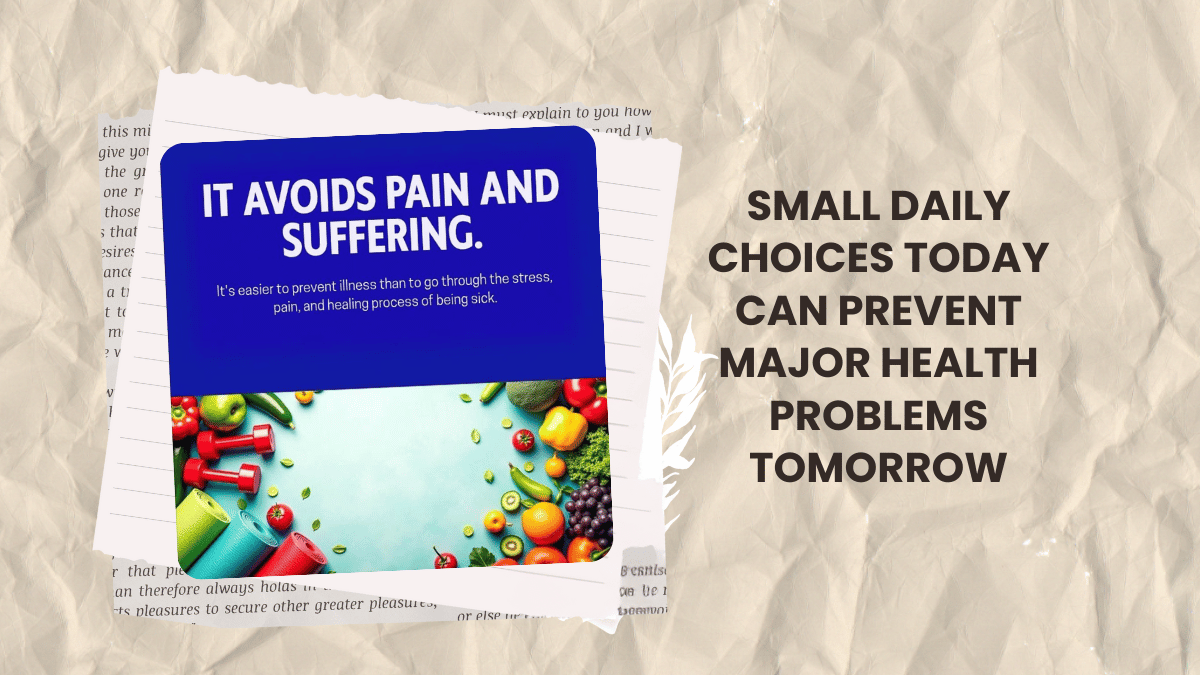
Most people I meet in my clinic are not suffering because of a sudden illness. They are dealing with conditions that have quietly developed over years—high blood pressure, diabetes, joint problems, digestive issues, or heart disease. Almost every time, the conversation circles back to the same realization: “I wish I had paid attention earlier.” From my experience as a doctor, prevention is not complicated medicine—it is consistent, mindful living.
One of the most powerful tools for preventive healthcare is maintaining a balanced and regular routine. Irregular sleep, skipped meals, and prolonged stress slowly disrupt the body’s natural rhythm. Adults who prioritize 7–8 hours of quality sleep, eat at regular intervals, and manage stress effectively show better immunity, hormonal balance, and mental clarity. Sleep deprivation alone increases the risk of obesity, diabetes, and cardiovascular disease.
Healthy eating is another cornerstone of disease prevention. In my practice, I often see patients focus on treatment while ignoring nutrition. A diet rich in fruits, vegetables, whole grains, lean proteins, and healthy fats supports metabolism and reduces inflammation. Limiting processed foods, excess sugar, and unhealthy fats significantly lowers the risk of lifestyle-related diseases. Eating mindfully—paying attention to portion size and hunger cues—can be just as important as what you eat.
Regular physical activity does not require extreme workouts or gym memberships. Simple habits such as brisk walking, stretching, yoga, or light strength training for 30 minutes a day can dramatically improve heart health, joint mobility, and blood sugar control. From my clinical observations, patients who stay physically active recover faster from illnesses and maintain independence well into older age.
Stress management is often underestimated but plays a critical role in long-term health. Chronic stress affects digestion, sleep, immunity, and mental health. Practices such as deep breathing, meditation, hobbies, and spending time with loved ones help the body reset. Adults who learn to manage stress effectively have lower risks of hypertension, anxiety, and burnout.
Another key aspect of preventive healthcare is regular health check-ups. Many serious conditions remain silent in their early stages. Routine screenings, blood tests, and timely specialist consultations help detect problems before symptoms appear. Early diagnosis allows for lifestyle modification or simple treatment, avoiding complications later.
Finally, avoiding harmful habits such as smoking, excessive alcohol consumption, and a sedentary lifestyle cannot be overstated. In my experience, patients who make even small changes—reducing smoking, limiting alcohol, or adding movement to their day—see noticeable improvements in overall health within months.
In conclusion, preventing major health problems does not require drastic changes. It begins with awareness and small, consistent lifestyle choices. As a doctor, I strongly believe that investing in healthy habits today is the most effective way to ensure a longer, healthier, and more active life.


Add a Comment