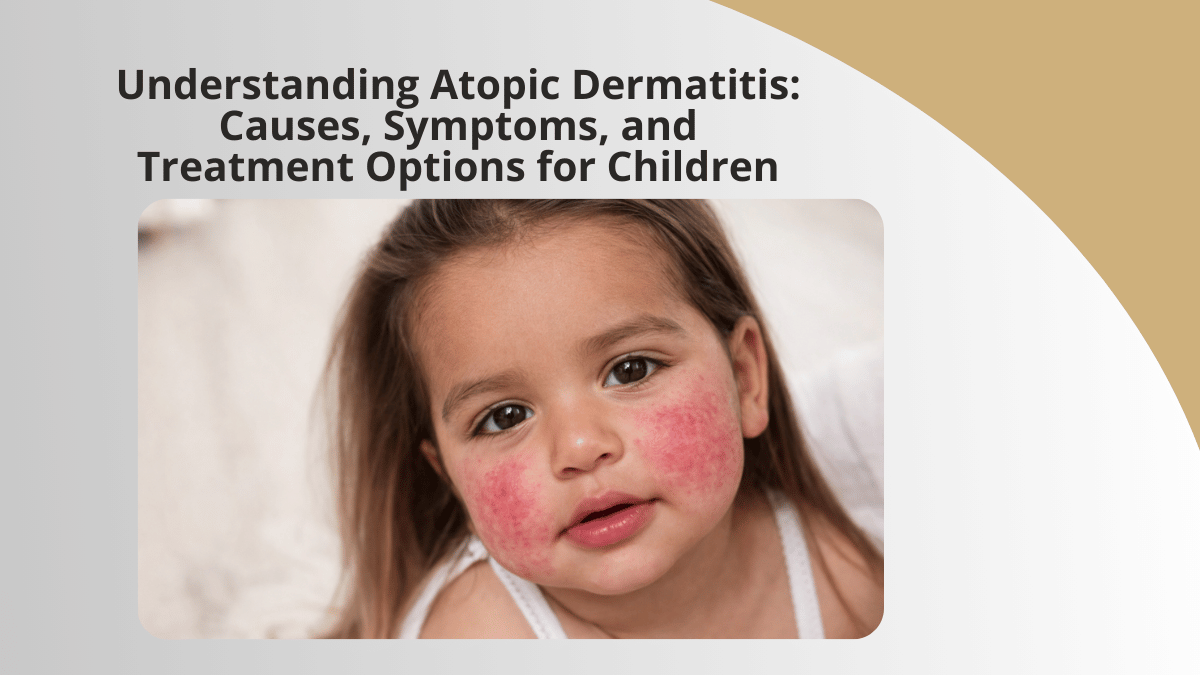
As a pediatrician with over 13 years of experience, I have seen many children and their worried parents grappling with the challenging condition known as atopic dermatitis. It’s a common skin disorder that can cause discomfort, sleep disturbances, and sometimes impact a child's self-esteem. In my practice, I focus not only on treating the condition but also on understanding each child's unique circumstances to provide personalized care.
Atopic dermatitis, often called eczema, is a chronic inflammatory skin condition that predominantly affects children, although it can occur at any age. It’s characterized by dry, itchy, and inflamed skin. Parents often notice that their little ones scratch incessantly, which can lead to skin cracks, infections, and discomfort. The exact cause remains multifactorial—genetics, immune system responses, environmental factors, and skin barrier dysfunction all play a part.
From my experience, one of the first steps in managing atopic dermatitis is understanding its underlying causes. A family history of allergies, asthma, or hay fever often points to a genetic predisposition. Children with atopic dermatitis tend to have an imbalance in the immune system, making their skin more sensitive to irritants and allergens like dust mites, pet dander, certain foods, and harsh soaps or detergents. It's essential to identify these potential triggers, as avoiding them can significantly reduce flare-ups.
The symptoms usually present as dry, rough patches on the skin that may be red or darker than the surrounding skin. Common areas affected include the cheeks, forearms, behind the knees, and around the neck. During flare-ups, the skin can become intensely itchy, and scratching may cause skin breakdown or secondary infections, complicating the situation further. Sometimes, parents might mistake the condition for general skin irritation, but the persistent nature and typical distribution give it away.
Treating atopic dermatitis is multifaceted. First and foremost is skincare: regular use of emollients or moisturizers plays a crucial role in restoring the skin barrier and preventing dryness. I advise parents to apply these generously and frequently, especially after baths. Generally, I recommend using mild, fragrance-free cleansers to avoid further irritation.
When flare-ups occur, we often use topical steroids or non-steroidal anti-inflammatory creams to reduce inflammation and itching. However, it’s vital to use these medications under proper guidance to avoid side effects. In more stubborn cases, I might recommend advanced therapies like topical calcineurin inhibitors or even phototherapy.
Another significant component of treatment involves addressing allergies and triggers. Speaking from my practice, allergy testing—whether through skin prick tests or blood tests—can help identify specific allergens. With this information, we can formulate a targeted plan that may include allergy immunotherapy or strict environmental modifications.
Lastly, I emphasize education and reassurance. Living with atopic dermatitis requires ongoing management, but with careful attention and personal care strategies, children can lead comfortable, active lives. I also advocate for a holistic approach—considering nutritional factors, mental health, and sleep hygiene to improve overall well-being.
In my clinic, I have witnessed remarkable improvements when parents and children work together toward a comprehensive management plan. Remember, each child's skin is unique, and personalized care makes all the difference.
If your child is experiencing persistent skin issues or if you're unsure whether it’s eczema, I encourage you to consult a pediatric specialist experienced in allergy and dermatology. Early intervention can reduce discomfort and prevent complications, paving the way for healthier, happier childhoods.



Add a Comment