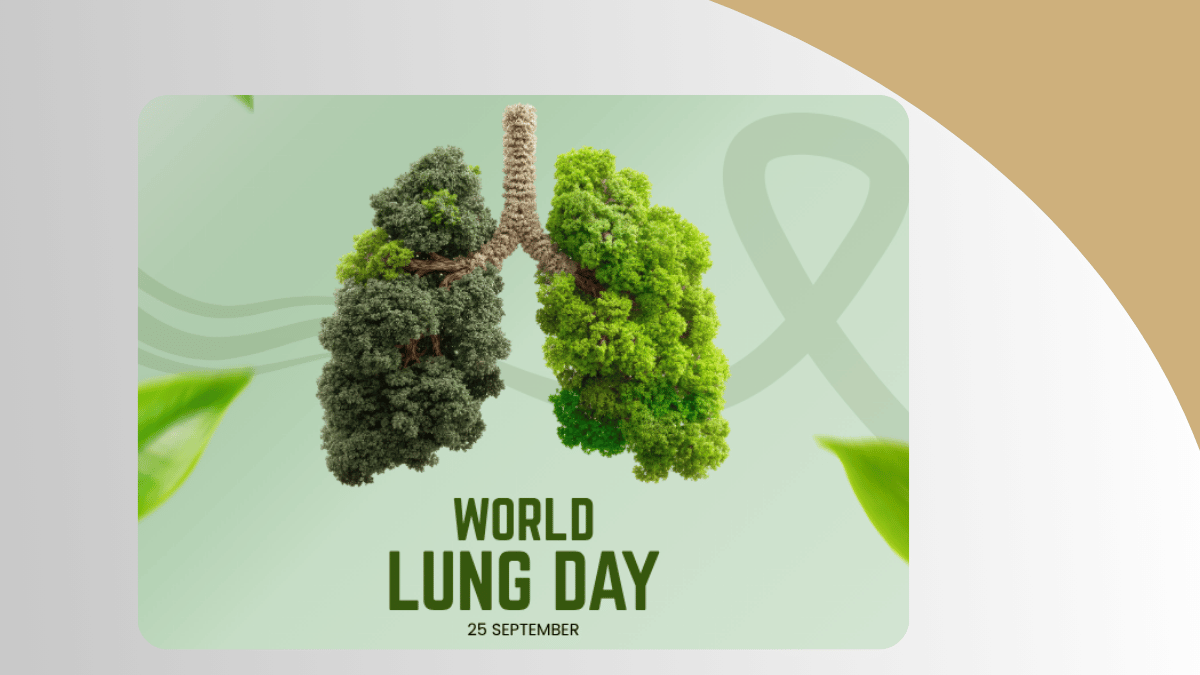
Every breath matters, from childhood to adulthood and healthy ageing.
Our lungs work continuously throughout life. Yet lung health is often taken for granted until breathing problems begin.
The 2026 World Lung Day theme, "A Lifetime of Lung Health," reminds us that protecting respiratory health is a lifelong responsibility, beginning in childhood and continuing through adulthood and older age.
Healthy Lungs Begin in Childhood
Lung development continues through childhood and adolescence. Exposure to tobacco smoke, air pollution, allergens and recurrent respiratory problems can influence respiratory health.
Parents should pay attention to:
- Recurrent cough or wheezing
- Night-time cough
- Breathlessness during play or exercise
- Frequent or recurrent respiratory symptoms
- Reduced exercise tolerance
Persistent or recurrent symptoms deserve appropriate evaluation rather than being repeatedly attributed to "frequent infections" or "allergy."
The Upper Airway Matters Too
Healthy breathing involves more than the lungs.
The nose filters, warms and humidifies the air before it reaches the lower airways. Allergic rhinitis, persistent nasal blockage, mouth breathing and enlarged adenoids may coexist with sleep and lower-airway symptoms, particularly in children.
Recognising these connections can help provide a more complete assessment of patients with recurrent respiratory complaints.Lung Health Through Adulthood
Respiratory health remains important well beyond childhood.
Adults should not ignore:
- Persistent cough
- Wheezing
- Breathlessness
- Reduced exercise tolerance
Recurrent respiratory symptoms
Conditions such as asthma, allergic respiratory disease, COPD and other chronic lung disorders can affect daily life and long-term respiratory health.
Early recognition and appropriate management can help people remain active and maintain better respiratory function.
Protect Your Lungs at Every Age
Simple measures can support lifelong lung health:
Avoid smoking and second-hand smoke.
Reduce exposure to indoor and outdoor air pollution.
Keep indoor spaces adequately ventilated.
Stay physically active.
Keep recommended vaccinations up to date.
Seek medical advice when respiratory symptoms persist.
When Should Lung Health Be Evaluated?
Depending on age, symptoms and clinical findings, respiratory assessment may include spirometry, forced oscillation testing, allergy assessment and other investigations when clinically indicated.
The aim is not simply to treat symptoms, but to understand the underlying problem and provide appropriate long-term care.
Lung Health Is for Life
From healthy lung development in childhood to maintaining respiratory health through adulthood and healthy ageing, every stage of life matters.
This World Lung Day:
Breathe clean air.
Avoid tobacco smoke.
Stay active.
Recognise symptoms early.
Take care of your lungs, for life.

Add a Comment