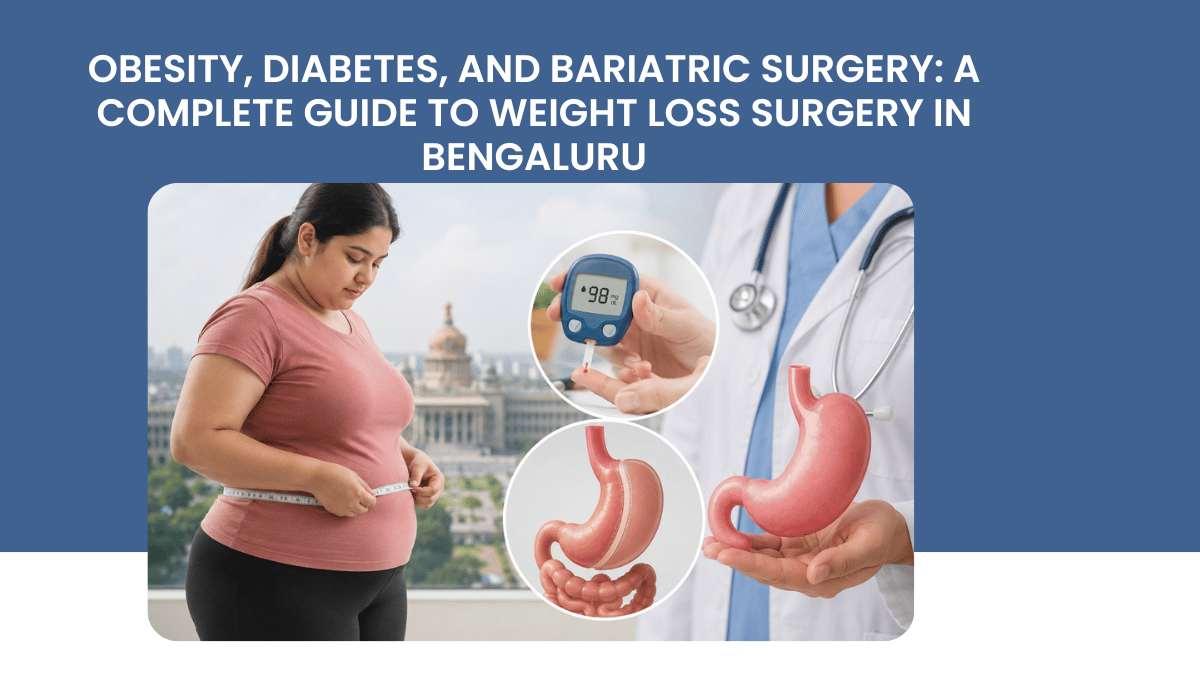
Many of my patients at NiSH Clinic, Jayanagar, come to me having tried every diet, every medication, and every lifestyle programme available, only to find that the weight comes back. When obesity has reached a level where it is actively damaging health, causing diabetes, joint pain, breathlessness, or sleep apnea, the conversation about bariatric surgery in Bengaluru becomes not just relevant but urgent. This guide explains what bariatric surgery involves, who it is suitable for, and what to realistically expect from treatment and recovery.
Why obesity is more than a weight problem
Obesity is a complex metabolic condition, not a failure of willpower. It involves changes in the hormones that regulate hunger, satiety, and fat storage that make sustained weight loss through diet and exercise alone genuinely difficult for many people. When the body mass index (BMI) exceeds a certain threshold, particularly when combined with conditions like type 2 diabetes, hypertension, or obstructive sleep apnoea, the health risks accumulate rapidly.
The connection between obesity and type 2 diabetes is particularly important in the Indian context. India has one of the highest rates of obesity-related diabetes in the world, and the threshold at which metabolic problems develop tends to be lower in Indian patients than the standard international BMI cut-offs suggest. This means that surgery may be appropriate at a lower BMI in Indian patients than is sometimes assumed.
What is bariatric surgery and how does it work?
Bariatric surgery refers to a group of surgical procedures that alter the digestive system to help patients lose weight and improve metabolic health. The procedures work through a combination of restriction, reducing the amount the stomach can hold, and malabsorption, limiting how much of what is eaten the body absorbs. Different procedures achieve these goals in different proportions.
The key insight is that bariatric surgery does not work simply by making patients eat less. It triggers significant hormonal changes that reduce hunger, alter how the gut signals satisfaction to the brain, and in many patients, directly improve insulin sensitivity before significant weight loss has even occurred. This is why the effects on type 2 diabetes can appear within days of surgery, not months.
What are the main types of bariatric surgery?
Sleeve gastrectomy
Sleeve gastrectomy is currently the most commonly performed bariatric procedure. Approximately 75 to 80 per cent of the stomach is removed, leaving a narrow tube or sleeve. The procedure reduces the volume of food the stomach can hold and significantly lowers levels of ghrelin, the hormone that drives hunger. Most patients experience a marked reduction in appetite in the weeks following surgery, which supports weight loss over the following months and years.
Sleeve gastrectomy is performed laparoscopically through small keyhole incisions, with no rerouting of the intestine. It is technically simpler than gastric bypass and carries a somewhat lower risk profile, which makes it suitable for a broader range of patients including those with higher surgical risk.
Roux-en-Y gastric bypass
Gastric bypass creates a small pouch from the upper stomach and connects it directly to the small intestine, bypassing most of the stomach and the first section of the small intestine. This produces both restriction and a degree of malabsorption, along with powerful hormonal changes. Gastric bypass tends to produce more substantial and durable weight loss than sleeve gastrectomy and has the strongest evidence base for remission of type 2 diabetes.
The trade-off is that gastric bypass is a more complex procedure with a somewhat longer recovery and a greater need for lifelong nutritional monitoring, since the bypassed section of intestine is important for absorbing certain vitamins and minerals. Patients require regular post-bariatric nutritional follow-up for life, which is something I discuss in detail before any decision is made.
Mini gastric bypass
The mini gastric bypass is a simplified version of the Roux-en-Y bypass that creates a longer gastric sleeve and a single anastomosis rather than two. It has similar metabolic outcomes and a shorter operative time, and is increasingly used as an alternative to the standard bypass in suitable patients.
Who is a suitable candidate for bariatric surgery?
Patient selection involves a detailed assessment rather than a single BMI cut-off. General criteria for considering surgery include:
- BMI of 37.5 or above without obesity-related health conditions, or BMI of 32.5 or above with at least one significant obesity-related condition such as type 2 diabetes, hypertension, or obstructive sleep apnoea
- Previous genuine attempts at sustained weight loss through non-surgical means
- No active substance dependence, untreated significant psychiatric condition, or other contraindication to major surgery. In Indian patients with , the threshold BMI for considering surgery may be lower given the greater metabolic risk at lower BMI compared to Western populations.
- Willingness to commit to long-term dietary, lifestyle, and follow-up requirements after surgery
Age is considered individually. Surgery can be appropriate across a wide age range, and in selected adolescents with severe obesity and complications, surgical options are also evaluated on a case-by-case basis.
What does the pre-operative evaluation involve?
Before any bariatric procedure, I conduct a thorough assessment that includes a full medical history and examination, blood tests covering metabolic markers, nutritional status, liver function, and relevant hormonal panels, abdominal ultrasound, and where indicated, an upper GI endoscopy to assess the stomach before surgery.
Nutritional counselling before surgery is not optional. Patients need to understand what dietary changes are required both immediately after surgery and over the long term. In patients with significant obesity-related comorbidities such as poorly controlled diabetes, hypertension, or sleep apnoea, optimisation of these conditions before surgery reduces operative risk and improves outcomes.
A multidisciplinary approach involving a surgeon, physician, dietitian, and in appropriate cases a psychologist gives patients the best preparation and the best outcomes. I use this framework in my practice for all bariatric patients.
How does bariatric surgery affect type 2 diabetes?
The relationship between bariatric surgery and type 2 diabetes is one of the most significant findings in metabolic medicine over the past two decades. In patients with type 2 diabetes and obesity, bariatric surgery produces diabetes remission or significant improvement in a substantial proportion of cases, often within days to weeks of the procedure, well before major weight loss has occurred.
The mechanisms involve changes in gut hormones, particularly GLP-1 and GIP, that improve insulin secretion and sensitivity independently of weight loss. For patients who have had diabetes for a shorter duration and whose pancreatic function is better preserved, the chance of sustained remission is higher. Patients on insulin often find their requirements reduce substantially or disappear entirely in the weeks after surgery.
It is important to be honest about what surgery can and cannot do here. Surgery is not a cure for diabetes in every case, and outcomes vary based on duration of diabetes, degree of beta cell preservation, and adherence to post-operative diet and lifestyle. I discuss this with every patient before surgery so that expectations are realistic.
What does recovery after bariatric surgery involve?
Most patients undergoing laparoscopic sleeve gastrectomy or gastric bypass stay in hospital for one to two nights. The immediate post-operative period involves a structured diet progression, starting with clear fluids and advancing through pureed and soft foods over several weeks before transitioning to a normal diet with modified portion sizes and eating habits.
Recovery after bariatric surgery is largely about adaptation rather than restriction. The stomach is smaller and the hormonal environment has changed, so eating patterns need to change accordingly. Eating slowly, chewing thoroughly, avoiding drinking during meals, and ensuring adequate protein intake are all habits that support long-term success.
Most patients return to light activity within one to two weeks and to normal work within two to four weeks depending on the nature of their job. Exercise, when reintroduced gradually, significantly improves long-term weight loss maintenance and metabolic outcomes.
What are the risks of bariatric surgery?
Bariatric surgery is major surgery and carries the risks associated with any major abdominal procedure, including bleeding, infection, anaesthetic complications, and the rare risk of anastomotic leak in bypass procedures. These risks are substantially lower with laparoscopic approaches than with open surgery, and experienced surgeons performing high volumes of bariatric procedures have lower complication rates than the general surgical population.
Long-term risks include nutritional deficiencies, which are managed through lifelong vitamin and mineral supplementation and regular blood test monitoring. Dumping syndrome, where food moves too quickly from the stomach pouch into the small intestine causing nausea, sweating, and diarrhoea, can occur after bypass procedures and is largely managed through dietary modification.
Some patients experience reflux symptoms after sleeve gastrectomy, and in a small number of cases this can be significant enough to warrant conversion to bypass. I discuss this possibility honestly with any patient for whom sleeve gastrectomy is being planned.
What results can patients realistically expect?
Weight loss after bariatric surgery is substantial and, when supported by appropriate dietary and lifestyle changes, durable in most patients. Sleeve gastrectomy typically produces excess weight loss of 60 to 70 per cent over 12 to 18 months, while gastric bypass produces somewhat higher excess weight loss on average, with better long-term maintenance in many studies.
Beyond the scale, most patients experience significant improvements in obesity-related health conditions, including type 2 diabetes, high blood pressure, sleep apnoea, joint pain, and reflux. Many patients are able to reduce or stop medications for these conditions in the months following surgery, under the guidance of their physician.
The patients who do best long-term are those who engage fully with follow-up care, maintain the dietary habits established after surgery, and use the initial period of rapid weight loss as an opportunity to establish sustainable exercise and eating patterns rather than viewing surgery as a one-time fix.
Questions patients ask me most often
Will I regain the weight after bariatric surgery?
Some weight regain is common in the years after surgery, particularly after the initial rapid weight loss phase. The degree of regain depends heavily on dietary adherence, physical activity, and follow-up engagement. Patients who maintain regular contact with their surgical and dietetic team and who address regain early tend to maintain much better long-term outcomes than those who disengage from follow-up.
Is bariatric surgery reversible?
Sleeve gastrectomy is generally not reversible, since a significant portion of the stomach is removed. Gastric bypass is technically reversible, though reversal is rarely performed and carries significant risk. Most patients do not want reversal once they have experienced the metabolic and quality-of-life benefits of surgery.
How long before I see results after surgery?
Weight loss begins immediately after surgery. Most patients lose 10 to 15 kilograms in the first month, with continued loss over the following 12 to 18 months. Improvements in diabetes and blood pressure are often apparent within the first few weeks, sometimes before significant weight loss has occurred.
Will I need to take vitamins for life?
Yes. All bariatric patients require lifelong vitamin and mineral supplementation, with the specific regimen depending on the procedure. Regular blood tests monitor nutritional status and allow the supplementation protocol to be adjusted. This is a non-negotiable part of bariatric care, not optional.
What is the difference between sleeve gastrectomy and gastric bypass?
Sleeve gastrectomy removes most of the stomach without rerouting the intestine. Gastric bypass creates a small stomach pouch and reroutes the intestine, producing stronger hormonal effects and greater average weight loss but a more complex procedure with a higher nutritional monitoring requirement. The right choice depends on individual factors including BMI, diabetes status, reflux history, and surgical risk, which I assess individually with each patient.
To book a consultation with Dr Niranjan P at NiSH Clinic, Jayanagar, Bengaluru, call +91 9731174360 or +91 9880505311.
Written by Dr Niranjan P, MBBS, DNB (General Surgery), Consultant General, GI, Laparoscopic, Robotic and Bariatric Surgeon, NiSH Clinic, Jayanagar, Bengaluru.


Add a Comment