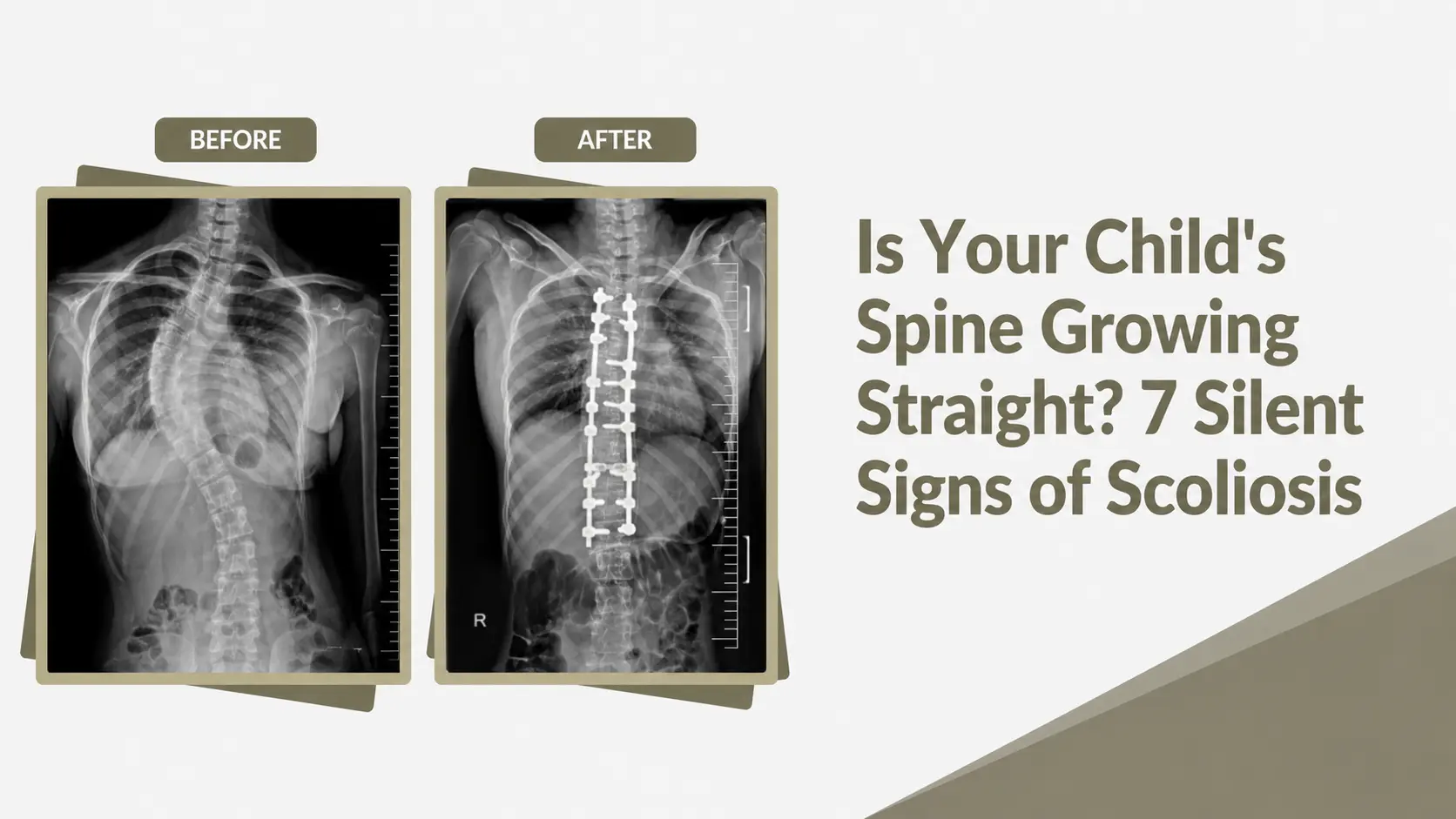
June is World Scoliosis Awareness Month
As parents, we carefully track our children's milestones — their first words, their height, their grades, and their achievements. Yet one important aspect of growth often goes unnoticed: the health and alignment of the spine.
Every June, healthcare professionals around the world observe World Scoliosis Awareness Month to educate families about a condition that affects millions of children and adolescents.
The challenge? Scoliosis often develops quietly, without pain or obvious symptoms.
A simple observation today could prevent a much bigger problem tomorrow.
What Exactly Is Scoliosis?
Scoliosis is a condition in which the spine develops an abnormal sideways curve. Instead of appearing straight when viewed from behind, the spine may curve into an "S" or "C" shape.
It most commonly appears during the adolescent growth spurt, usually between 10 and 18 years of age. While many cases remain mild, some curves can worsen rapidly as children grow, potentially affecting posture, appearance, and in severe cases, overall health.
The good news is that early detection can make a meaningful difference.
Why Scoliosis Often Goes Undetected
Unlike many childhood conditions, scoliosis frequently develops without pain.
Children continue attending school, playing sports, and participating in daily activities without realising anything is wrong. Because there are often no complaints, parents may only notice the condition once the spinal curve becomes visibly apparent.
This is why awareness is so important.
7 Silent Signs Every Parent Should Watch For
You do not need medical training to identify early warning signs. Take a moment to look for:
1. Uneven Shoulders
One shoulder appears higher than the other.
2. A Prominent Shoulder Blade
One shoulder blade sticks out more than the opposite side.
3. Uneven Waistline
The waist appears asymmetrical or one side has a deeper curve.
4. One Hip Higher Than the Other
The pelvis may appear tilted.
5. Leaning to One Side
The body may seem shifted rather than centred.
6. Clothes That Do Not Fit Evenly
Shirts, dresses, or trousers may appear uneven despite proper sizing.
7. A Visible Hump While Bending Forward
One side of the back may appear higher than the other.
If you notice any of these changes, it is worth seeking a professional assessment.
The 30-Second Home Screening Test: Adam's Test
One of the simplest screening methods is the Forward Bend Test.
Ask your child to stand with feet together, bend forward at the waist, and let their arms hang naturally. Then observe from behind.
If one side of the rib cage or back appears higher than the other, further evaluation may be recommended.
This test cannot diagnose scoliosis, but it can identify children who may benefit from specialist assessment.
Can Scoliosis Be Prevented?
The answer may surprise you. For most children, the commonest type — Adolescent Idiopathic Scoliosis — cannot currently be prevented because its exact cause remains unknown.
However, there is something equally important that can be prevented: delayed diagnosis.
Early detection allows doctors to monitor spinal growth closely and intervene when necessary, significantly reducing the risk of severe curve progression.
What Parents Can Do to Support a Healthy Spine
Although these habits may not prevent scoliosis itself, they contribute to overall spinal and musculoskeletal health.
Keep Children Physically Active
Encourage activities such as walking, swimming, cycling, outdoor sports, and core-strengthening exercises. Strong muscles support better posture and physical fitness.
Reduce Excessive Screen Time
Hours spent hunched over smartphones and laptops can contribute to poor posture and muscular fatigue. Encourage regular movement breaks throughout the day.
Check Backpack Weight
A backpack should be carried on both shoulders, fit comfortably, and ideally weigh less than 10 to 15 percent of body weight.
Do Not Skip Routine Health Check-Ups
Regular assessments provide opportunities for early identification of spinal abnormalities during growth.
When Should You Consult a Spine Specialist?
Seek medical evaluation if you notice uneven shoulders, uneven hips, visible spinal asymmetry, changes in posture, a family history of scoliosis, or rapid growth accompanied by concerning physical changes.
Early assessment is quick, safe, and often provides reassurance for both parents and children.
The Most Important Message This June
World Scoliosis Awareness Month serves as an important reminder that some of the most significant health conditions are not always painful or obvious.
A quick look at your child's posture today could help identify a problem before it progresses.
You may not be able to prevent scoliosis. But you can help prevent late diagnosis.
Look. Check. Detect Early.
Because when it comes to scoliosis, early recognition gives children the best opportunity for a healthy, active future.
Disclaimer: This article is for informational purposes only and does not constitute medical advice. Please consult a qualified spine surgeon for diagnosis and treatment decisions specific to your condition.
Written by Dr Nirdesh H J, MBBS, MS Ortho, DNB Ortho, FNB Spine Surgery, AO Spine Asia Pacific and International Fellowship, Consultant Orthopaedic Spine Surgeon, SPARSH Hospital, Hennur Road, Bengaluru.
Related Reading:
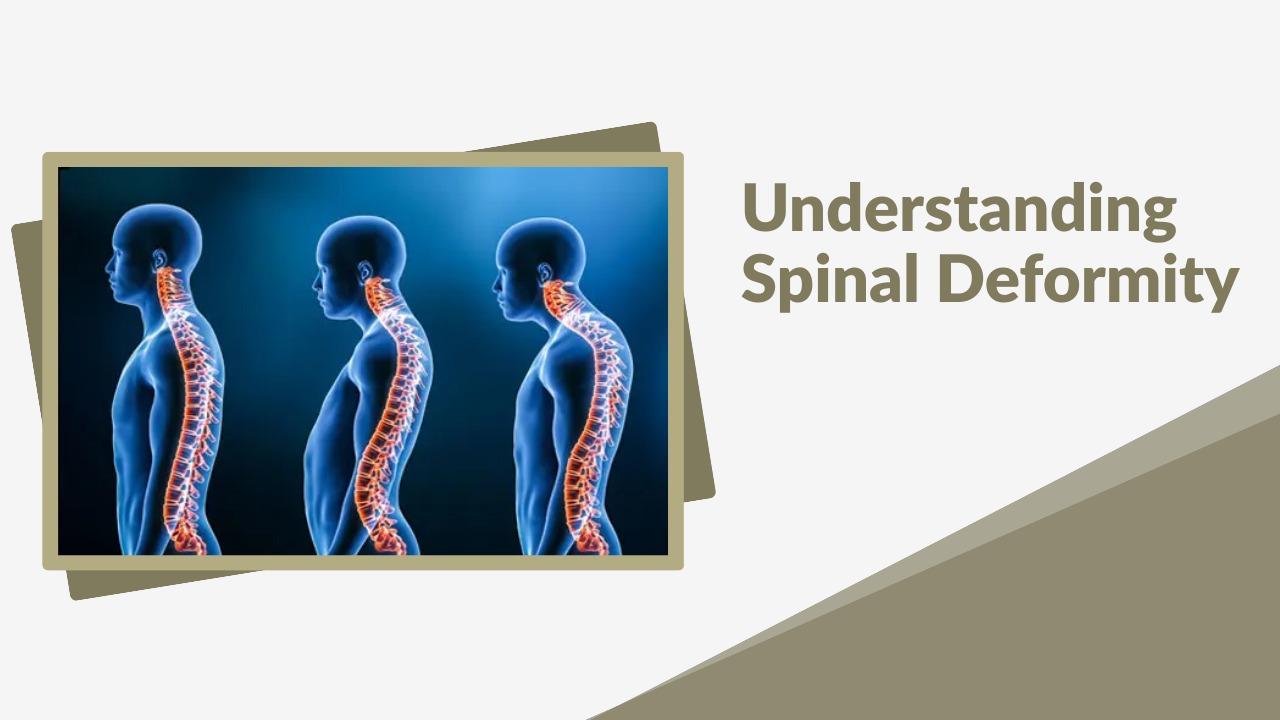
Understanding Spinal Deformity: A Surgeon’s Perspective on Diagnosis, Treatment and Hope
Minimally Invasive Spine Surgery: A Doctor’s Insight Into Faster, Safer Recovery
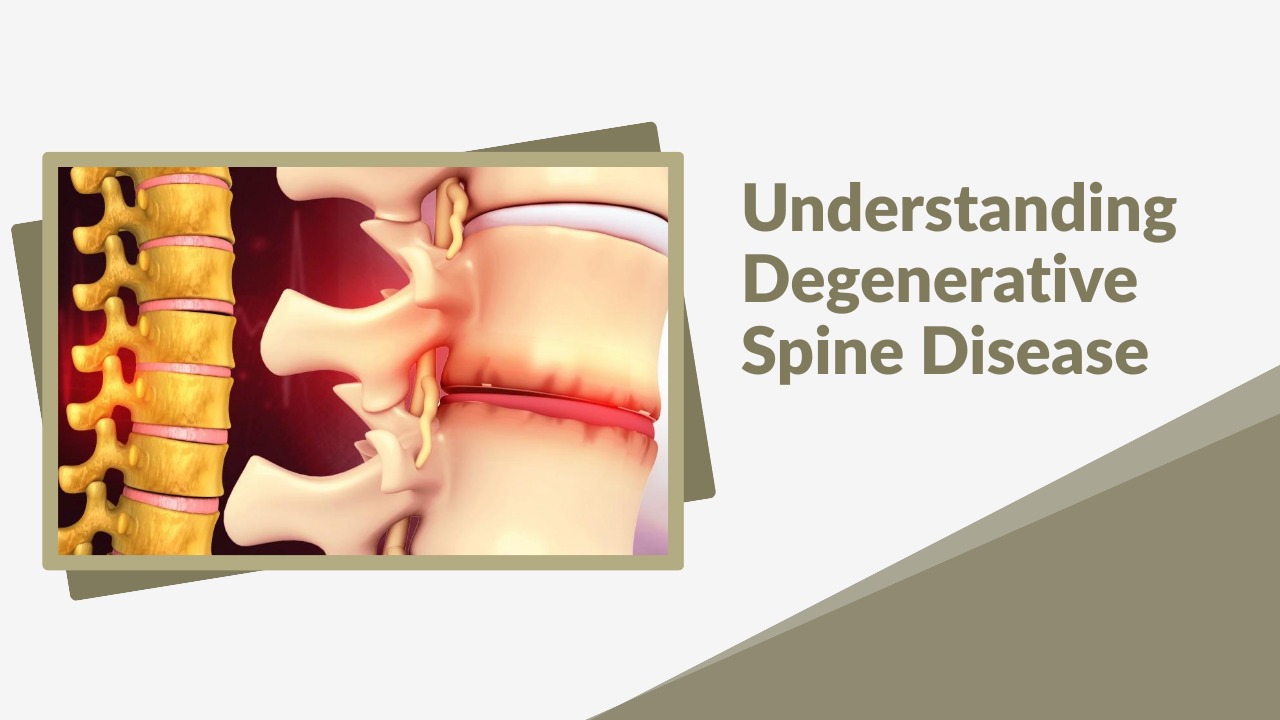
Understanding Degenerative Spine Disease
👉 To book a consultation with Dr Nirdesh H J at SPARSH Hospital, Hennur Road, Bengaluru, call +91 63636 26242
Comments
Anand Reddy
Posted on: June 28,2026 Published
Sir your treatment was fantastic because of my colleague brother the treating way is so good he is now fine.... Thanks a lot for you
Gururaj
Posted on: June 28,2026 Published
It's very informative message sir thank you sir for sharing an a useful information with sir 🙏💐
Devashis Ghose
Posted on: June 28,2026 Published
He is nice, experienced and his diagnosis is super.
Dr Deepa Chandran
Posted on: June 28,2026 Published
Excellent and informative article Dr Nirdesh.As a practising neuroanesthetist involved in numeroud scoliosis correction surgeries ive seen first hand how raising awareness about early diagnosis and timely intervention is invaluable for improving patient outcomes.
Munireddy
Posted on: June 28,2026 Published
I have worked with Dr Nirdhesh sir, good surgeon
Siddaramaiah
Posted on: June 28,2026 Published
Sir, this is very informative and useful for parents in busy their schedule to identify any abnormalities of kids with simple techniques.
Sana Suresh
Posted on: June 28,2026 Published
He is an excellent highly skilled fast surgeon
Dr Sana Suresh
Posted on: June 28,2026 Published
Dr Nirdesh is an excellent highly skilled fast and highly recommend most accurate surgeon.
Dr Murali Mohan S
Posted on: June 28,2026 Published
Very informative article. Beautifully articulated in simple and easy to understand format.The Signs described in detail here in the blog, are often the missed chances in appropriate management of scoliosis in kids. Keep up the writing,Dr Nirdesh. Best wishes
NALINA Y M
Posted on: June 29,2026 Published
You are soo greatful I am proudly announce that you are my student , and your success may reach the summit all the Best
Add a Comment