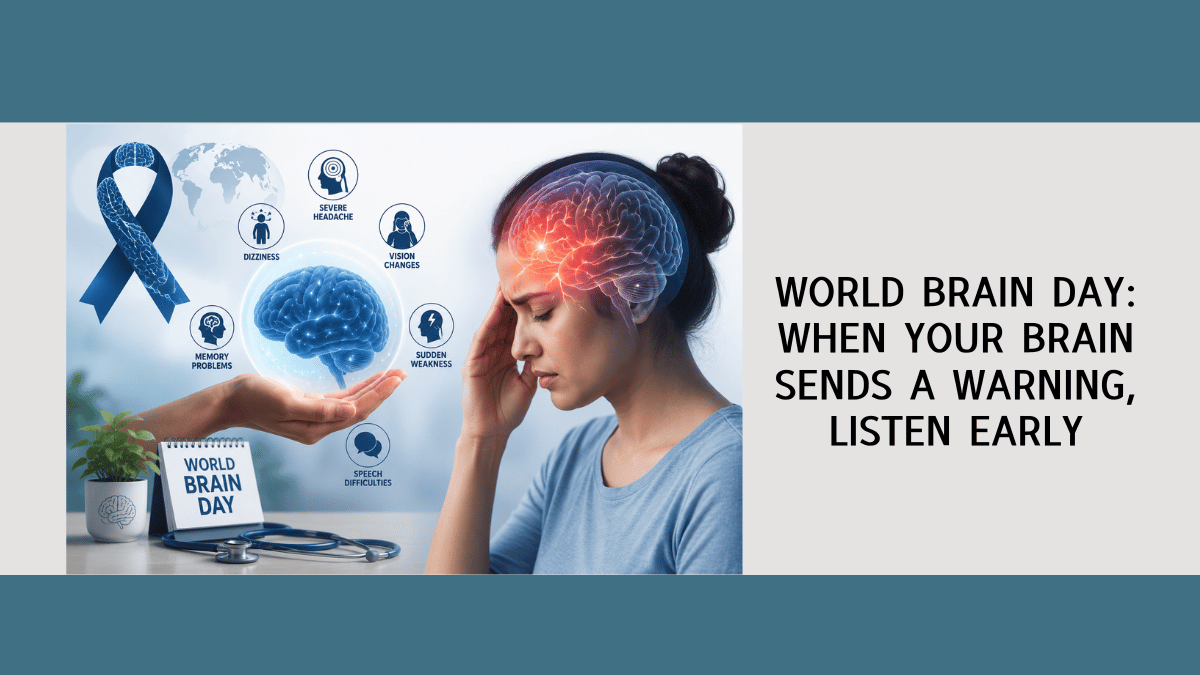
World Brain Day: When Your Brain Sends a Warning, Listen Early
Every year on 22 July, World Brain Day reminds us to think about an organ that defines who we are, how we move, communicate, learn and experience life. As a neurosurgeon, I regularly care for patients and families facing complex conditions involving the brain and spine. Some arrive with symptoms that appeared suddenly, while others have lived with warning signs for weeks or months before seeking medical attention. This World Brain Day, I want to emphasise a simple but important message: understanding neurological warning signs and seeking timely medical evaluation can make a meaningful difference.
Do Not Ignore Changes in Neurological Health
Brain conditions can present in many different ways. Persistent or progressively worsening headaches, repeated vomiting, seizures, sudden weakness, difficulty speaking, changes in vision, loss of balance or unexplained changes in behaviour may sometimes indicate an underlying neurological problem.
In children, the signs can be different and sometimes more difficult to recognise. Persistent headaches, developmental concerns, unusual changes in walking, seizures, increasing head size in infants or unexplained vomiting may require further evaluation.
Not every symptom means that surgery is needed. However, recognising a change and obtaining an appropriate diagnosis is an important first step towards determining the right treatment.
Brain Tumours: Early Evaluation Can Guide Better Care
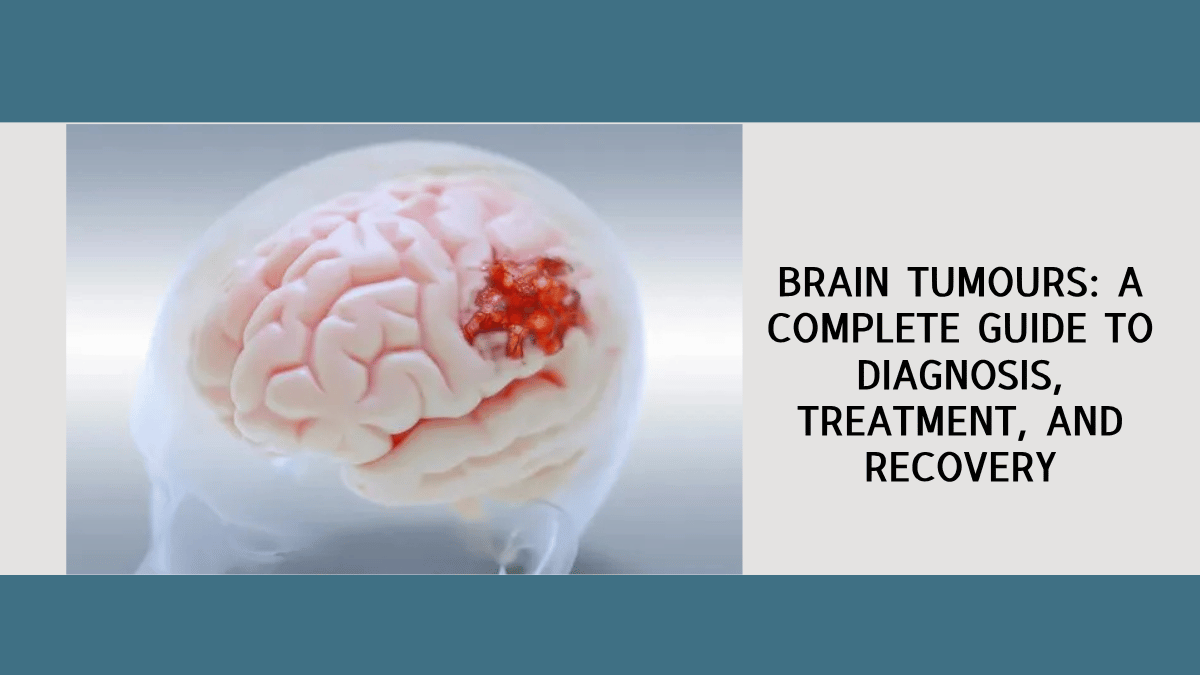
A significant part of my neurosurgical practice involves managing different types of brain tumours, including meningiomas, gliomas, pituitary adenomas, vestibular schwannomas and tumours affecting children.
The symptoms of a brain tumour depend greatly on its size and location. Some patients may experience headaches or seizures, while others develop changes in vision, movement, speech, balance or personality.
Modern neurosurgery focuses on achieving the safest possible treatment while preserving neurological function. Depending on the condition, techniques such as microsurgery, neuro-navigation and endoscopic approaches may help surgeons access complex areas of the brain with greater precision.
Protecting the Developing Brain
My clinical interests also include paediatric neurosurgery, where neurological conditions require particularly careful and individualised management.
Children Are Not Simply Small Adults
Conditions such as paediatric brain and spinal tumours, hydrocephalus, craniosynostosis, Chiari malformation, spinal dysraphism and other congenital abnormalities can affect a child's developing nervous system.
Treating these conditions involves considering not only the immediate neurological problem but also the child's growth, development and long-term quality of life. Depending on the diagnosis, treatment may include microsurgical or endoscopic procedures, CSF diversion procedures for hydrocephalus, or multidisciplinary care involving other specialists.
Brain Emergencies Require Timely Action
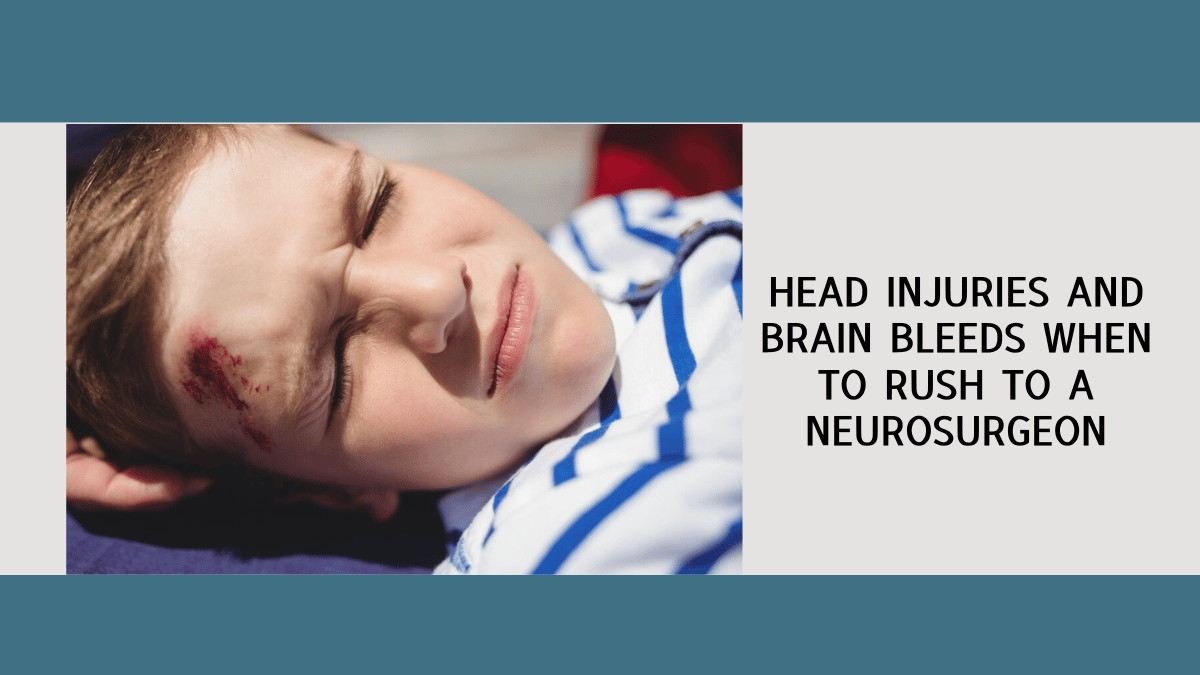
Traumatic brain injuries and bleeding within or around the brain can become medical emergencies. Following a significant head injury, symptoms such as loss of consciousness, repeated vomiting, increasing drowsiness, seizures, worsening headache or new weakness should prompt urgent medical attention.
Similarly, vascular abnormalities such as cerebral aneurysms and arteriovenous malformations require specialised evaluation because of their potential neurological complications.
My Message This World Brain Day
On World Brain Day, 22 July, I encourage everyone to become more aware of neurological health. Pay attention to persistent or unusual symptoms. Take head injuries seriously. Observe changes in a child's neurological development and seek medical advice when something does not seem right.
As a neurosurgeon, I believe that advanced surgical techniques are most meaningful when combined with careful diagnosis, precision and compassionate, patient-centred care.
This World Brain Day, let us remember that our brain deserves our attention before symptoms become impossible to ignore. Awareness and timely action can be the first steps towards protecting the brain and preserving quality of life.
Dr. Prashanth Alle
MBBS, DNB (Neurosurgery)
Consultant Neurosurgeon

Add a Comment