
When a patient's lungs fail acutely, the clinical situation escalates faster than almost any other medical emergency. Respiratory failure, the inability of the respiratory system to maintain adequate oxygen delivery to the tissues or to remove carbon dioxide efficiently, demands immediate, precise, and physiologically informed management. The decisions made in the first hours of acute respiratory failure, particularly around the indication for and initiation of non-invasive ventilation, the assessment of ventilatory requirements, and the need for bronchoscopic airway assessment, are decisions where specialist pulmonological depth changes outcomes in ways that general internal medicine management cannot replicate. As a Consultant Pulmonologist with DNB Respiratory Medicine, EDARM, and DRNB qualification in Critical Care, my critical care practice at Fortis Hospital, Anandapur, Kolkata, brings dedicated respiratory physiology expertise to the most acutely unwell respiratory patients, where that expertise is most consequential.
Respiratory Failure: Types, Causes, and What Determines Management
Respiratory failure is classified into two types based on the blood gas pattern. Type 1 respiratory failure, characterised by low oxygen with a normal or low carbon dioxide level, reflects a failure of gas exchange: the lung is not oxygenating blood adequately. It is seen in pneumonia, pulmonary embolism, acute respiratory distress syndrome, and interstitial lung disease exacerbations. Type 2 respiratory failure, characterised by low oxygen combined with elevated carbon dioxide, reflects a failure of ventilation: the respiratory system cannot move enough air in and out to clear the carbon dioxide the body produces. It is seen in severe COPD exacerbation, acute severe asthma, neuromuscular weakness, and obesity hypoventilation. The distinction between Type 1 and Type 2 failure determines the oxygen therapy strategy, the indication for non-invasive ventilation, and the urgency of escalation to invasive mechanical ventilation. In West Bengal's patient population, COPD exacerbation driven by air quality, biomass fuel exposure, and the obstructive sequelae of prior tuberculosis is among the most frequent causes of Type 2 respiratory failure requiring specialist respiratory assessment. Correctly characterising respiratory failure from the outset prevents the clinical errors that occur when oxygen is given in excess to a patient with Type 2 failure, worsening carbon dioxide retention.
The Scope of Critical Care Pulmonology at Fortis Hospital, Kolkata
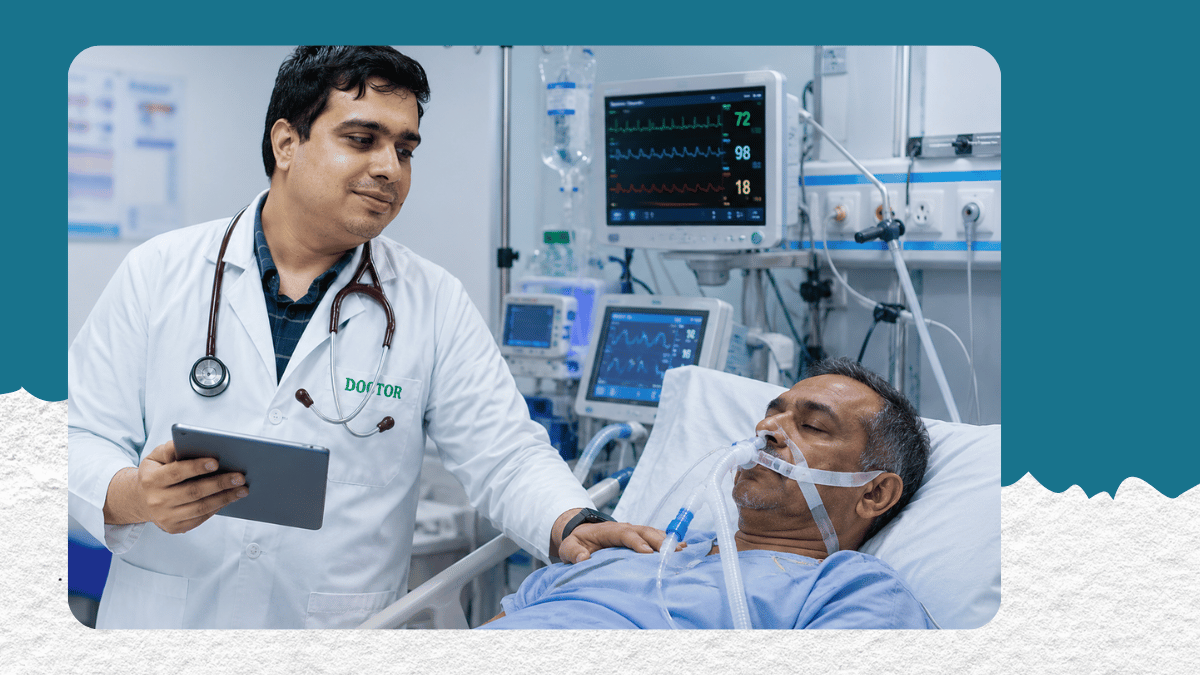
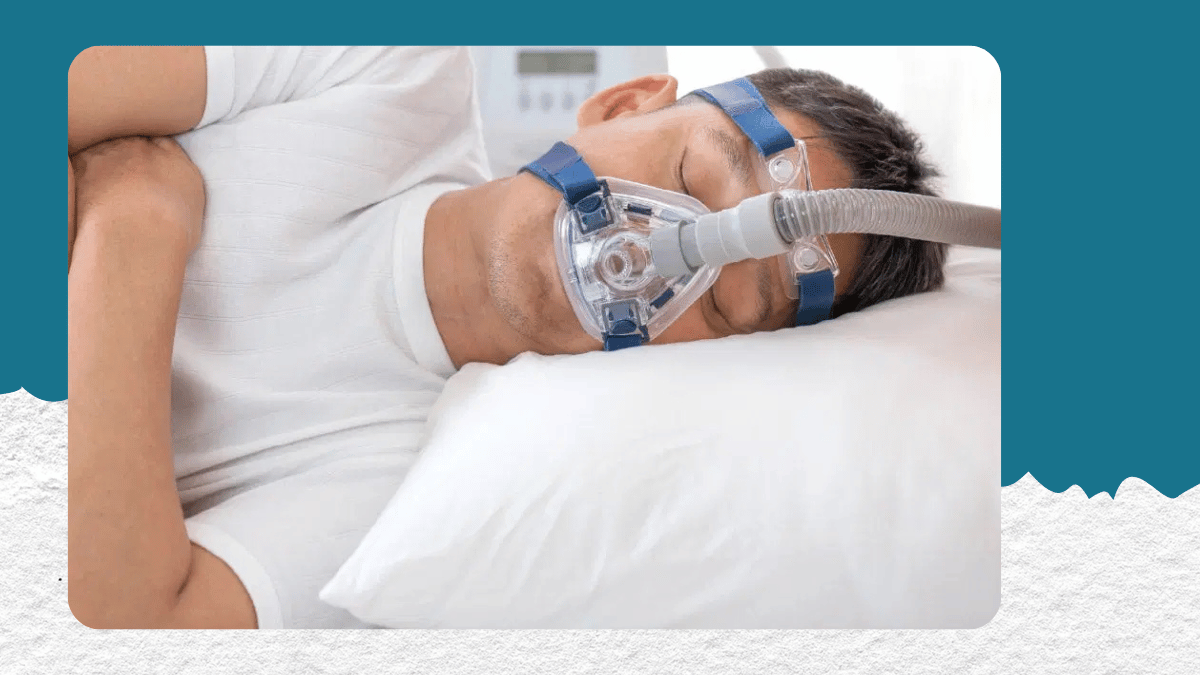
My critical care scope at Fortis Hospital, Anandapur, covers the full range of high-acuity respiratory and multi-system critical illness. Non-invasive ventilation, including BIPAP and CPAP, is initiated and managed for patients with COPD exacerbation, acute cardiogenic pulmonary oedema, and obstructive sleep apnoea in the acute setting, avoiding the need for invasive intubation in many patients where respiratory support is needed urgently. Critical care ultrasound, including lung ultrasound for bedside diagnosis of pneumothorax, pleural effusion, and consolidation, and echocardiographic assessment of cardiac function in the haemodynamically unstable patient, provides real-time information at the bedside that changes immediate management decisions. Bronchoscopy in the critically ill patient allows direct airway assessment, secretion management, and tissue diagnosis in patients who are too unwell for elective investigation. Sepsis and septic shock from respiratory and other sources, extracorporeal therapies in selected patients, and the management of post-tuberculosis lung disease complications in the acute setting are all within the scope of critical care I provide. For patients in Kolkata and West Bengal with severe respiratory illness or multi-organ failure, specialist critical care pulmonology at Fortis Hospital, Anandapur, provides the physiological precision that complex respiratory emergencies require.
To book a pulmonology or critical care consultation with Dr. Subhajit Sen at Fortis Hospital, Anandapur, Kolkata (Monday to Saturday, 2:00 PM to 5:00 PM, call +91 8902704594) or Apollo Clinic, Bansdroni, Kolkata (Monday and Friday, 9:00 AM to 10:00 PM, call +91 9007734015), or call +91 9007734015 or visit linqmd.com/doctor/pulmonologyor-westbengal-drsubhajit-sen
Written by Dr. Subhajit Sen, MBBS, MD (Pulmonology), DNB (Respiratory Medicine), EDARM (European Diploma in Adult Respiratory Medicine), Consultant Pulmonologist and Critical Care Specialist, Fortis Hospital, 730, Eastern Metropolitan Bypass, Anandapur, Kolkata 700107 (Monday to Saturday, 2:00 PM to 5:00 PM, +91 8902704594); Apollo Clinic, 207, Netaji Subhas Chandra Bose Road, Bansdroni, Kolkata 700040 (Monday and Friday, 9:00 AM to 10:00 PM, +91 9007734015); and other clinics across Kolkata, West Bengal. 12+ years. 10,000+ patients. Phone: +91 9007734015.
Related reading
Meet Dr. Subhajit Sen: Respiratory Medicine, Critical Care, and Allergy in West Bengal

Add a Comment