Pulmonology, the medical specialty dedicated to the diagnosis and treatment of diseases affecting the lungs and respiratory system, is a discipline where the local disease burden shapes clinical practice in ways that are specific to geography. Kolkata and West Bengal present a respiratory disease landscape that is distinct from what a pulmonologist encounters in other parts of India, and this specificity matters for the depth and precision of the investigation and management that patients require. I am Dr. Subhajit Sen, Consultant Pulmonologist at Fortis Hospital, Anandapur, and Apollo Clinic, Bansdroni, Kolkata, with MD from IPGME&R Calcutta, DNB Respiratory Medicine, and the EDARM, the European Diploma in Adult Respiratory Medicine, a postgraduate qualification awarded by the European Respiratory Society that reflects training standards in respiratory medicine aligned with international benchmarks. My practice in Kolkata is built on a deep understanding of what lung disease looks like in this specific environment, and this guide explains what that means for patients who need pulmonological care in West Bengal.
The West Bengal Respiratory Disease Burden: What Makes It Different
West Bengal's respiratory disease burden carries several dimensions that do not feature as prominently in the profile of lung disease in other Indian states. Tuberculosis is the most significant. India carries the largest tuberculosis burden in the world, and West Bengal is one of the higher-burden states. For many patients, successfully treated tuberculosis does not mean a return to normal lung function: TB destroys lung tissue, distorts airways, and can leave behind a residue of respiratory disability that includes post-tuberculosis lung disease, bronchiectasis with persistent infection, destroyed lung with fibrotic scarring, and obstructive airway changes that mimic COPD in a patient who has never smoked. These post-TB respiratory consequences require specialist pulmonological evaluation that is categorically different from the general internal medicine management of active tuberculosis. Air quality in Kolkata's urban and industrial belt, particularly during winter, when temperature inversions trap particulate matter close to the ground, contributes to a significant exacerbation burden in patients with pre-existing asthma, COPD, and bronchiectasis. The humid subtropical monsoon climate supports high mould spore loads that drive allergic respiratory disease and precipitate infective exacerbations. Understanding these regional factors is not optional in a Kolkata pulmonology practice: it is the foundation of accurate diagnosis and personalised management.
What Specialist Pulmonological Assessment Adds
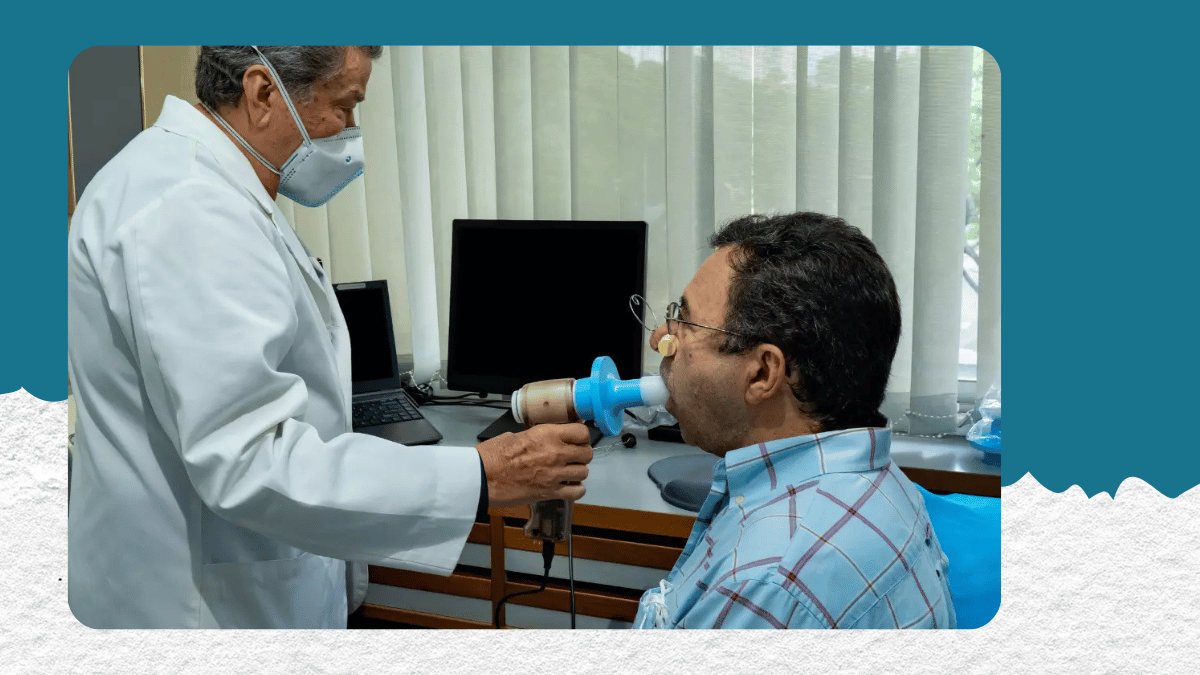
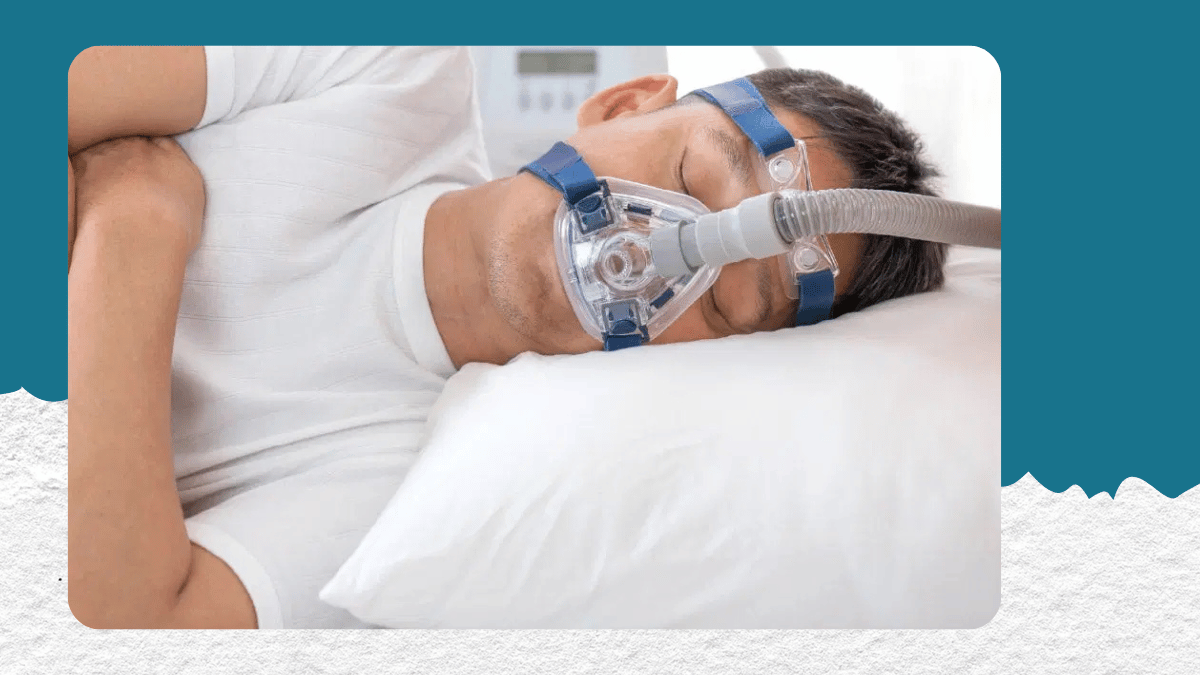
The difference between respiratory management in a general medicine setting and specialist pulmonological assessment is the depth and precision of the physiological characterisation of the patient's lung disease. Pulmonary Function Testing, including spirometry with bronchodilator reversibility, diffusion capacity measurement, and in selected cases body plethysmography, provides an objective portrait of how the lungs are functioning that no clinical examination or plain chest X-ray can replicate. Bronchoscopy, the direct endoscopic examination of the airways that I perform as part of my interventional pulmonology practice, allows tissue diagnosis of pulmonary infiltrates, evaluation of central airway abnormalities, and assessment of the post-TB airway changes that are a frequent feature of complex respiratory disease in West Bengal. EBUS, endobronchial ultrasound, extends the reach of bronchoscopy to sample lymph nodes and lesions adjacent to the airways. Sleep medicine assessment including home sleep studies and CPAP initiation addresses the obstructive sleep apnoea that is under-diagnosed and significantly undertreated across Kolkata's patient population. At Fortis Hospital, Anandapur, and Apollo Clinic, Bansdroni, Kolkata, specialist pulmonological assessment from a clinician with 12 years of dedicated respiratory medicine practice and international postgraduate qualification brings this depth to patients who need it in accessible locations across the city.
To book a pulmonology or critical care consultation with Dr. Subhajit Sen at Fortis Hospital, Anandapur, Kolkata (Monday to Saturday, 2:00 PM to 5:00 PM, call +91 8902704594) or Apollo Clinic, Bansdroni, Kolkata (Monday and Friday, 9:00 AM to 10:00 PM, call +91 9007734015), or call +91 9007734015.
Written by Dr. Subhajit Sen, MBBS, MD (Pulmonology), DNB (Respiratory Medicine), EDARM (European Diploma in Adult Respiratory Medicine), Consultant Pulmonologist and Critical Care Specialist, Fortis Hospital, 730, Eastern Metropolitan Bypass, Anandapur, Kolkata 700107 (Monday to Saturday, 2:00 PM to 5:00 PM, +91 8902704594); Apollo Clinic, 207, Netaji Subhas Chandra Bose Road, Bansdroni, Kolkata 700040 (Monday and Friday, 9:00 AM to 10:00 PM, +91 9007734015); and other clinics across Kolkata, West Bengal. 12+ years. 10,000+ patients. Phone: +91 9007734015.
Related reading
Meet Dr. Subhajit Sen: Respiratory Medicine, Critical Care, and Allergy in West Bengal

Add a Comment