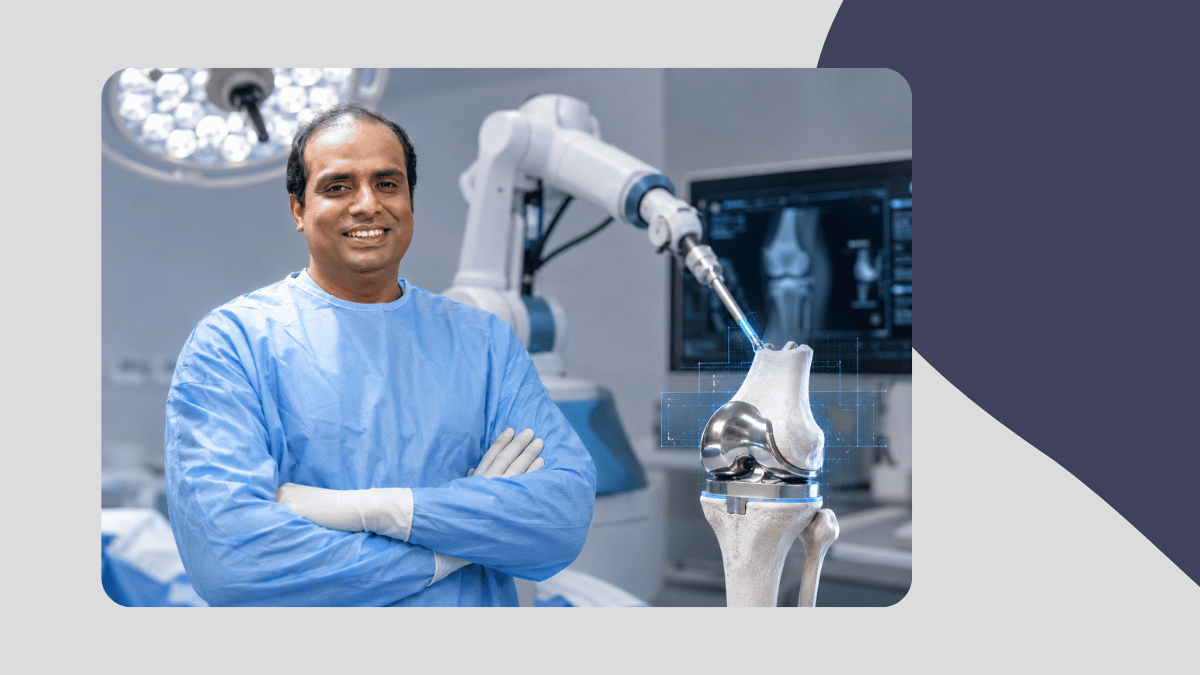
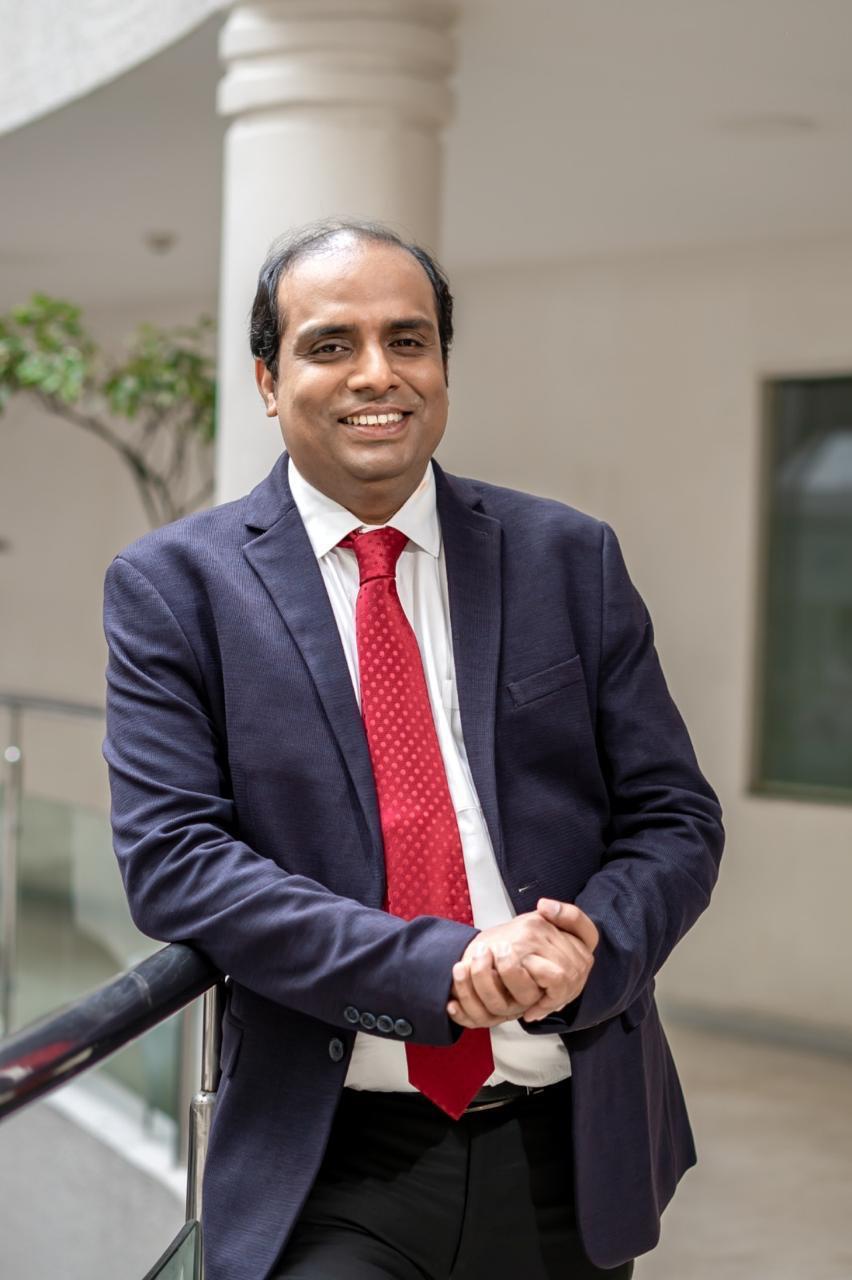
Dr Ravikumar Mukartihal is an Orthopaedic and Robotic Joint Replacement Surgeon Bengaluru with extensive experience in primary and revision joint replacement surgery. Based at SPARSH Hospital, Infantry Road, Bengaluru, his work focuses on knee replacement, hip replacement, complex revision surgery, robotic-assisted joint replacement, and advanced reconstructive orthopaedics. Over the course of his career, he has treated more than 35,000 patients and performed over 15,000 orthopaedic procedures.
For patients considering joint replacement surgery, experience matters not only in the operating theatre, but also in decision-making, surgical planning, implant selection, rehabilitation guidance, and long-term functional recovery. Dr Ravikumar’s practice combines high-volume clinical experience with advanced fellowship training and national-level academic involvement in robotic and revision joint replacement surgery.
What conditions does Dr Ravikumar Mukartihal treat?
Dr Ravikumar manages a wide range of orthopaedic conditions affecting the knee, hip, and joints. Many patients consult him for severe arthritis, long-standing knee pain, difficulty walking, stiffness, sports-related degeneration, failed previous joint replacement surgery, or progressive loss of mobility affecting daily life.
His clinical practice includes:
- Knee arthritis
- Hip arthritis
- Complex joint degeneration
- Failed knee replacement surgery
- Failed hip replacement surgery
- Joint deformity correction
- Revision joint replacement surgery
- Robotic-assisted knee replacement
- Orthopaedic trauma-related joint reconstruction
Many patients seek consultation after years of pain management, injections, medications, or physiotherapy without lasting improvement. Others come with failed previous implants or persistent pain after surgery performed elsewhere.
Dr Ravikumar’s approach begins with understanding how significantly the condition affects walking, sleep, independence, work, and quality of life before discussing treatment options.
What makes his expertise in robotic knee replacement Bengaluru distinct?
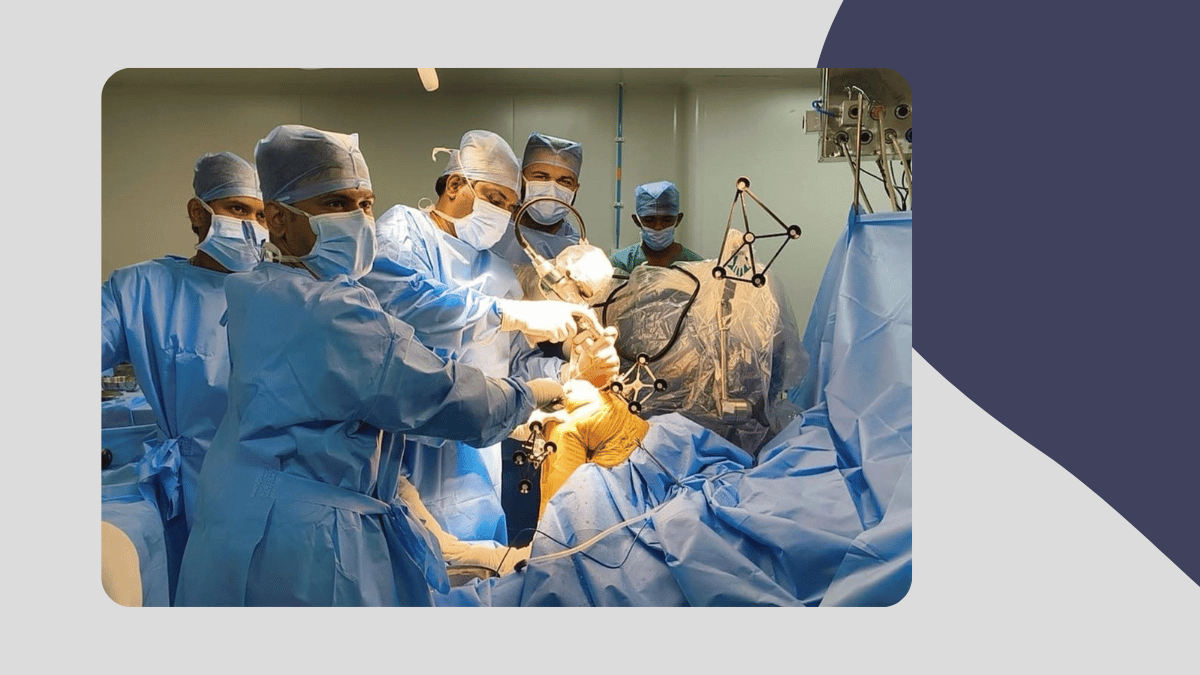
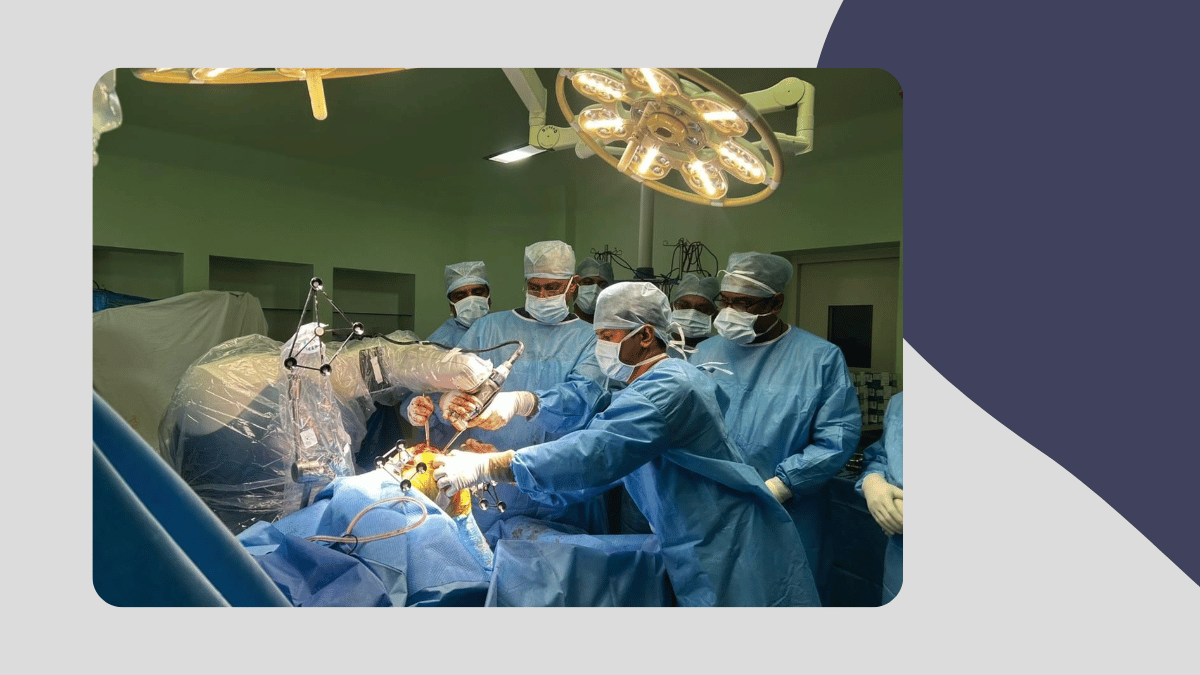
Robotic knee replacement involves the use of advanced computer-guided systems to improve surgical precision during joint replacement procedures. Robotic systems help surgeons plan implant positioning more accurately based on the patient’s anatomy and alignment.
Dr Ravikumar is recognised nationally for his experience in robotic joint replacement surgery and serves as a MAKO robotic joint replacement proctor. This role involves training and mentoring other orthopaedic surgeons in robotic-assisted knee replacement techniques.
For patients, this distinction matters because teaching complex surgical systems requires not only technical familiarity, but also deep procedural understanding, consistency, and extensive operative experience.
Robotic-assisted surgery is not appropriate for every patient automatically. The decision depends on factors such as joint damage, deformity, bone quality, previous surgeries, and long-term functional goals. Dr Ravikumar emphasises that technology supports surgical planning, but patient outcomes still depend heavily on careful evaluation, surgical judgement, and rehabilitation.
Why is revision joint replacement surgery considered highly specialised?
Revision joint replacement surgeon Bengaluru care involves correcting or replacing failed joint implants from previous surgeries. These cases are often significantly more complex than primary knee or hip replacement procedures.
Revision surgery may be required because of:
• Implant loosening
• Infection
• Joint instability
• Persistent pain
• Implant wear over time
• Bone loss around the implant
• Stiffness or poor alignment
These procedures often require advanced planning, specialised implants, and reconstructive techniques designed to restore stability and movement while preserving remaining bone and soft tissue.
Dr Ravikumar completed an advanced fellowship in revision joint replacement surgery in Germany, focusing specifically on complex revision and reconstructive orthopaedic procedures. International fellowship exposure provides additional experience in managing technically demanding cases that require detailed surgical planning and multidisciplinary care.
For many patients, revision surgery becomes emotionally stressful because they have already undergone one unsuccessful procedure previously. Careful explanation, realistic expectations, and long-term rehabilitation planning become especially important in these situations.
What does treating 35,000 patients and performing 15,000 procedures mean for patients?
Numbers alone do not define surgical quality, but high-volume surgical experience often improves consistency in clinical judgement, surgical workflow, complication management, and recovery planning.
Over years of practice, surgeons encounter a wide spectrum of anatomy, deformity patterns, implant challenges, medical risk factors, and rehabilitation responses. That experience helps refine decision-making before, during, and after surgery.
Patients frequently ask whether they need surgery immediately or whether conservative management is still possible. In many cases, Dr Ravikumar initially recommends physiotherapy, weight optimisation, medications, activity modification, or injections before considering surgery.
Joint replacement is usually discussed when:
• Pain significantly limits walking or sleep
• Conservative treatment no longer provides relief
• Daily activities become difficult
• Knee deformity progresses
• Mobility and independence begin declining
Experience also matters after surgery. Rehabilitation timelines, pain recovery, walking progression, and long-term implant function vary between patients. Setting realistic expectations is an important part of successful orthopaedic care.
What is his role as National Fellowship Director?
In addition to clinical work, Dr Ravikumar contributes actively to orthopaedic education and surgical training. His role as National Fellowship Director reflects involvement in mentoring surgeons pursuing advanced joint replacement training.
Teaching surgeons requires staying continuously updated with evolving implant technology, robotic systems, surgical techniques, and evidence-based orthopaedic practice. Academic involvement also strengthens standardisation, procedural safety, and long-term surgical quality.
For patients, academic leadership often indicates ongoing engagement with complex cases, structured surgical systems, and high-level orthopaedic training environments.
What should patients expect during consultation?
Dr Ravikumar’s consultation process focuses on understanding both the medical and functional impact of joint disease. Not every patient with arthritis requires immediate surgery, and not every painful joint needs replacement.
During evaluation, he assesses:
• Pain severity
• Walking limitation
• Previous treatment response
• Imaging findings
• Joint deformity
• Medical fitness
• Lifestyle goals
• Long-term mobility expectations
Patients are encouraged to understand both the benefits and limitations of surgery clearly before making decisions. Recovery after knee or hip replacement is gradual and depends on rehabilitation participation, muscle strengthening, overall health, and consistency with post-operative care.
Many patients begin standing and walking within a short period after surgery, but long-term recovery continues over several months. The goal is not only pain reduction, but improved mobility, independence, and quality of life.
Why do many patients specifically seek knee replacement surgeon Bengaluru care today?
Increasing life expectancy, active lifestyles, obesity, sports injuries, and long-term joint degeneration have significantly increased demand for knee replacement surgeon Bengaluru consultation. Many patients now seek treatment earlier because mobility directly affects work, independence, travel, and daily comfort.
At the same time, patients are more informed than before. They often research robotic surgery, implant options, rehabilitation timelines, and revision surgery before consultation. Clear communication and realistic guidance therefore become extremely important parts of orthopaedic care.
Dr Ravikumar’s approach combines surgical experience, robotic expertise, reconstructive training, and patient-focused orthopaedic decision-making tailored to each individual’s condition and goals.
Written by Dr Ravikumar Mukartihal, Orthopaedic and Robotic Joint Replacement Surgeon, SPARSH Hospital, Infantry Road, Bengaluru.
Related reading:
- Robotic Knee Replacement Bengaluru
- When Does Knee Arthritis Need Surgery?
- Recovery After Knee Replacement Surgery
- Revision Joint Replacement Surgery Explained
To book a consultation with Dr Ravikumar Mukartihal at SPARSH Hospital, Infantry Road, Bengaluru, visit the doctor profile page.
CITATIONS USED
American Academy of Orthopaedic Surgeons. Total Knee Replacement Guidelines.
Mayo Clinic. Robotic Joint Replacement Surgery Overview.
Journal of Arthroplasty. Revision Knee Replacement Surgery Principles.

Add a Comment