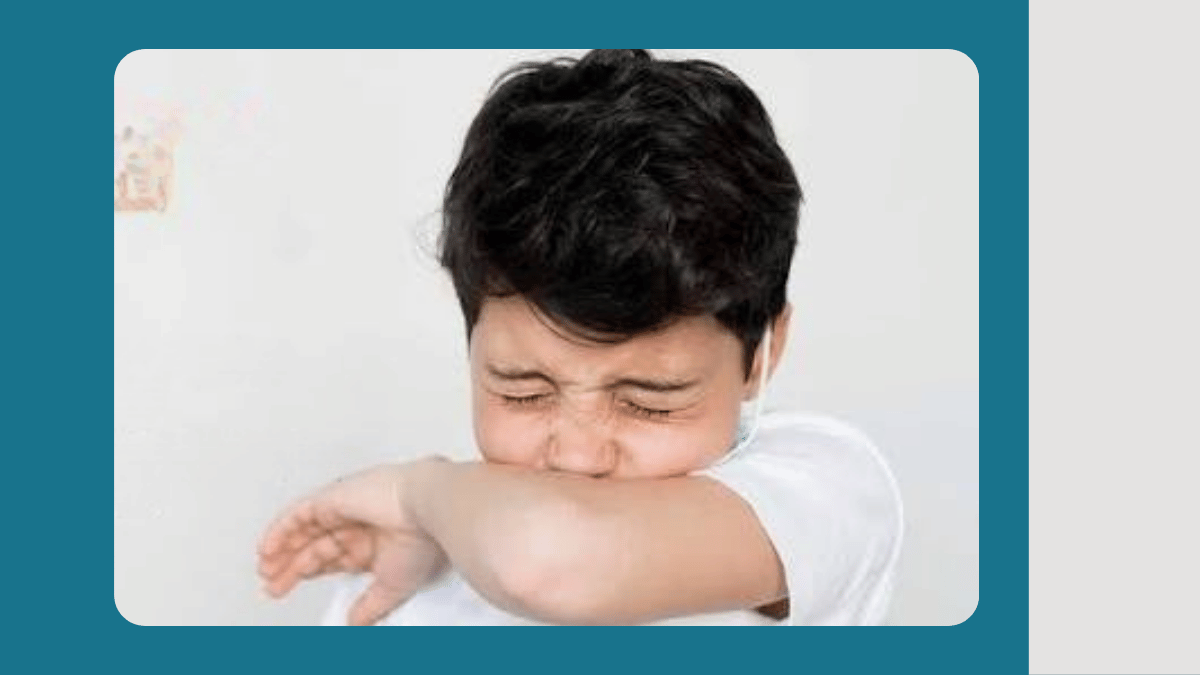
Childhood asthma is one of the most common chronic conditions affecting children in Andhra Pradesh and one of the most consistently undertreated. Not because families do not seek care, but because the diagnosis is frequently not made. A child who has wheezed four times in the past year, who wakes regularly with a cough between one and three in the morning, who develops breathlessness when running or playing sport, is very often told they have a chest infection and given a course of antibiotics. At the next episode, another antibiotic. The underlying airway disease, the chronic inflammation and hyperreactivity that is the essence of asthma, remains undiagnosed and unmanaged throughout. My PRTI Certification and Asthma and Allergy Certification reflect dedicated training in paediatric respiratory disease, and at Matha Sisuv Viadhyasala Hospital, Ongole, identifying asthma in children who have been managed as recurrent chest infection is one of the most important and most impactful clinical decisions I make.
How Childhood Asthma Is Recognised and Confirmed
The diagnosis of asthma in a child does not require specialised laboratory equipment. It requires a careful clinical history. The characteristic features are: wheeze occurring in discrete episodes separated by periods of normal or near-normal breathing; cough that is disproportionately nocturnal, waking the child from sleep between one and three in the morning when airway calibre is at its narrowest; breathlessness and reduced exercise tolerance that limits a child's ability to participate in play, sports, or physical education; and a pattern of improvement with a bronchodilator inhaler that provides relief within minutes. The atopic background matters: a child with eczema, allergic rhinitis, or a family history of asthma in a parent or sibling is in a higher-risk group where asthma should be considered actively whenever there are recurring respiratory symptoms. Allergy testing, using skin prick or blood-based tests, can identify the specific allergens driving allergic airway inflammation in children whose asthma has an allergic component, and this identification guides the allergen avoidance and environmental control advice that becomes part of the management plan. In Ongole and across coastal Andhra Pradesh, house dust mite driven by humidity is the single most important perennial allergen in childhood asthma, and environmental control measures targeting dust mite in the home environment are one of the most impactful non-pharmacological interventions available.
The Right Treatment: Why Controller Medication and an Asthma Action Plan Matter
When asthma is correctly diagnosed, the treatment is structured around two categories of medication. The reliever inhaler, typically a short-acting bronchodilator like salbutamol, provides rapid relief during an acute episode by relaxing the airway smooth muscle. The controller medication, typically an inhaled corticosteroid that is taken every day regardless of whether the child is symptomatic, reduces the chronic airway inflammation that makes the airways hypersensitive and prone to episodes in the first place. The most common error in childhood asthma management in Ongole and across the region is the use of the reliever alone, without establishing the daily controller. A child treated only with reliever inhalers has their acute episode managed but their underlying airway disease left untreated: the inflammation continues, the sensitivity continues, and episodes recur. Every asthmatic child in my practice at Matha Sisuv Viadhyasala Hospital, Ongole, receives a written asthma action plan: a document that tells parents exactly what to do when symptoms are mild, what to do when they are worsening, and when to bring the child in for urgent assessment. This plan, combined with the correct controller medication, correct inhaler technique taught at every visit, and allergen trigger avoidance, transforms asthma from a condition that disrupts school, sleep, and family life into one that a child in Ongole can manage comfortably as part of an active, normal childhood.
To book a consultation with Dr. Salma Shaik at Matha Sisuv Viadhyasala (Mother and Child) Hospital and Vaccination Center, Seetha Ram Puram, Devuni Cheru, Ongole, Andhra Pradesh 523001 (Monday to Saturday, 9:00 AM to 4:00 PM), call +91 9515410552.
Written by Dr. Salma Shaik, MBBS, DCH, DNB (Paediatrics), PRTI (Paediatric Respiratory Tract Infection Certification), IAP ACE (Adolescent Counselling Excellence, Indian Academy of Paediatrics, 2026), Asthma and Allergy Certification, Civil Assistant Surgeon (CAS) Paediatrics, Consultant Paediatrician and Allergy and Asthma Specialist, Matha Sisuv Viadhyasala (Mother and Child) Hospital and Vaccination Center, G23W+526, Seetha Ram Puram, Devuni Cheru, Ongole, Andhra Pradesh 523001. Monday to Saturday, 9:00 AM to 4:00 PM. 13+ years. 12,000+ patients. Phone: +91 9515410552.


Add a Comment