Understanding the Connection:

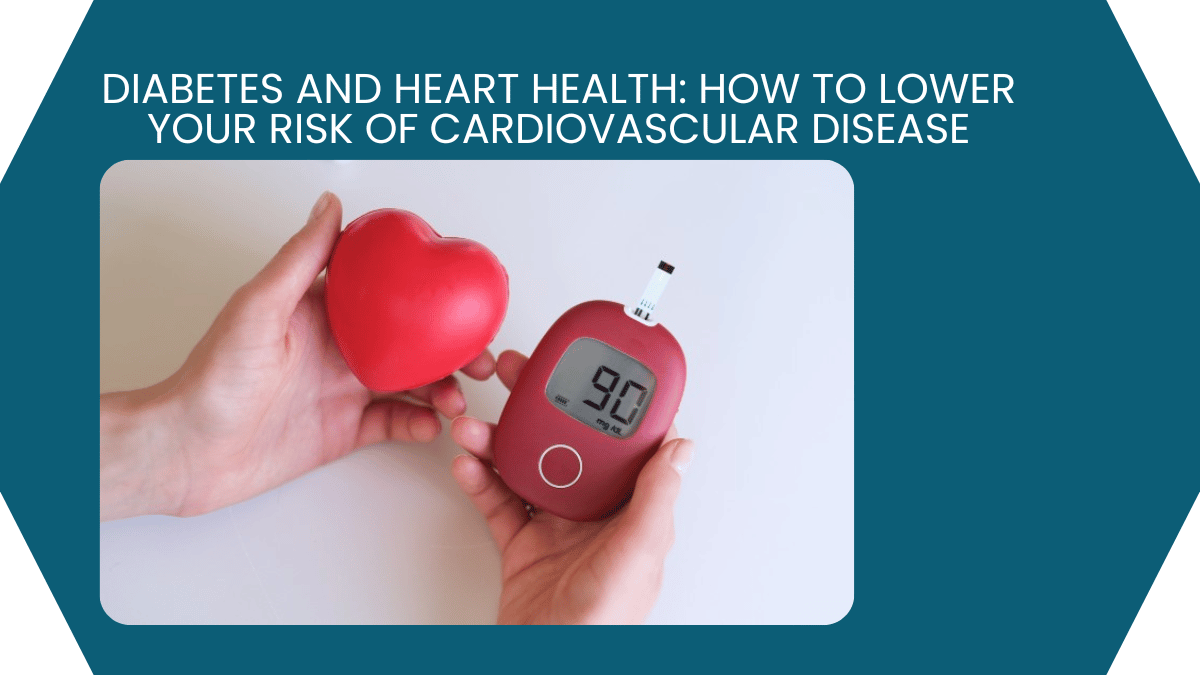
Diabetes and heart disease are closely intertwined, with individuals living with diabetes facing a significantly higher risk of developing cardiovascular complications. This connection stems from the impact of elevated blood sugar levels on blood vessels and the heart over time.
The Impact of Diabetes on Heart Health:
- Increased plaque buildup in arteries
- Higher risk of high blood pressure
- Greater likelihood of abnormal cholesterol levels
Assessing Your Cardiovascular Risk
For patients with diabetes, regular cardiovascular risk assessments are crucial. These evaluations typically include:
- Blood pressure measurements
- Lipid profile tests
- HbA1c levels to gauge long-term blood sugar control
"Knowledge is power. Understanding your risk factors is the first step in preventing heart disease."
Strategies to Lower Your Risk:
1) Blood Sugar Management:
Maintaining optimal blood sugar levels is paramount in reducing cardiovascular risk. This involves:
- Adhering to prescribed medication regimens
- Regular blood glucose monitoring
- Following a balanced diet plan
2) Lifestyle Modifications:
Adopting heart-healthy habits can significantly impact your cardiovascular health:
- Physical Activity: Aim for at least 150 minutes of moderate-intensity exercise per week.
- Dietary Changes: Focus on a diet rich in fruits, vegetables, whole grains, and lean proteins.
- Stress Management: Incorporate stress-reduction techniques such as meditation or deep breathing exercises.
3) Medication Management:
In some cases, additional medications may be prescribed to manage cardiovascular risk factors:
- Statins for cholesterol control
- ACE inhibitors or ARBs for blood pressure management
- Aspirin therapy (as recommended by your healthcare provider)
4) Regular Monitoring and Follow-up
Consistent medical follow-ups are essential for patients with diabetes to monitor heart health. These appointments may include:
- Electrocardiograms (ECGs)
- Stress tests
- Echocardiograms
5) The Importance of Open Communication
Maintaining an open dialogue with your healthcare team is crucial. Report any new symptoms or concerns promptly, as early intervention can be key in preventing serious cardiovascular events.
Conclusion:
Managing diabetes and heart health requires a multifaceted approach. By understanding the connection between these conditions, actively participating in risk assessment, and implementing targeted strategies, patients can significantly lower their risk of cardiovascular disease. Remember, small, consistent steps in the right direction can lead to substantial improvements in overall health and well-being.



Add a Comment