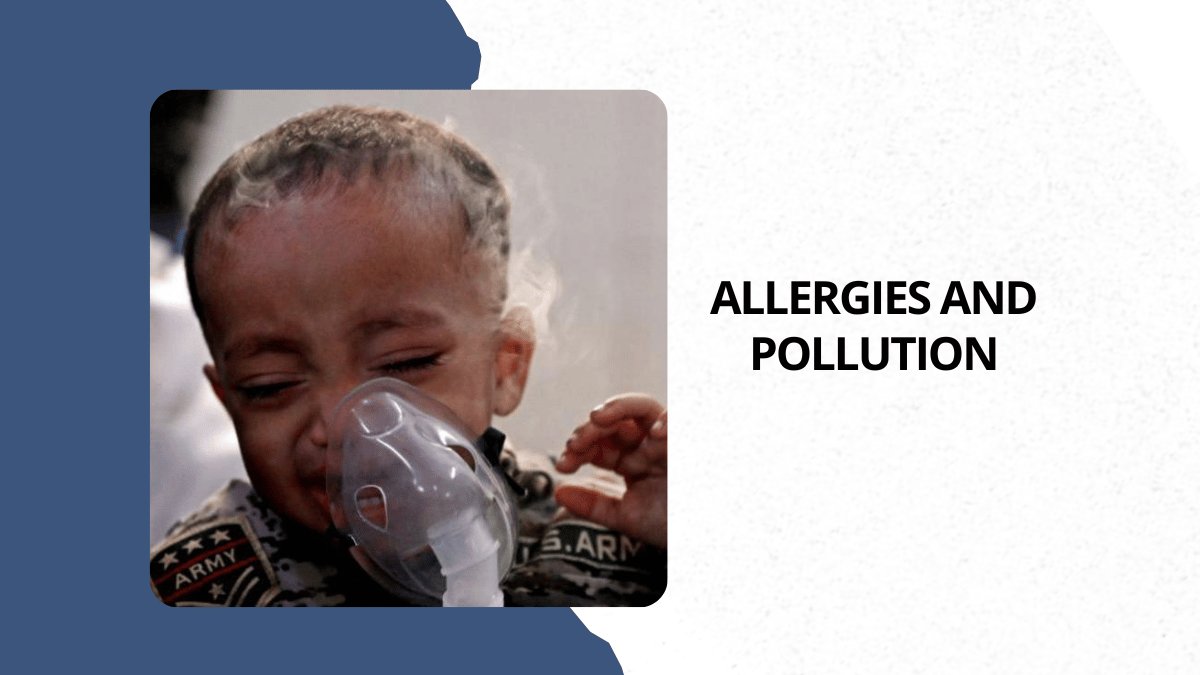
Allergies are on the rise worldwide, and increasing pollution levels are a major contributing factor. From traffic emissions to industrial smoke and indoor pollutants, our environment plays a significant role in triggering and worsening allergic conditions. Research shows a strong connection between pollution exposure and the development or aggravation of allergies, especially in urban settings.
In my clinical practice, I increasingly see children and adults presenting with worsening allergy symptoms that closely correlate with rising pollution levels. Many patients who previously had mild or seasonal allergies now experience persistent nasal congestion, recurrent wheezing, or frequent respiratory infections. What is concerning is the early onset of allergic diseases in young children, particularly those living in urban environments. While genetics play a role, environmental exposure especially polluted air acts as a powerful trigger. Early diagnosis, environmental control, and timely medical intervention can significantly reduce complications and improve long-term respiratory health.
How Pollution Affects Allergies
Air pollutants such as particulate matter (PM2.5 and PM10), nitrogen dioxide, sulfur dioxide, and ozone irritate the respiratory tract and weaken its natural defense mechanisms. These pollutants inflame the airways, making them more sensitive to allergens like pollen, dust mites, and mold. Pollution can also alter pollen structure, increasing its allergenic potential and prolonging allergy seasons. As a result, symptoms such as sneezing, wheezing, coughing, itchy eyes, and asthma attacks become more frequent and severe.
Who Is Affected Most?
Children, the elderly, and individuals with pre-existing respiratory conditions are most vulnerable. Children’s lungs are still developing, and they breathe more air relative to their body weight, increasing pollutant exposure. People living in highly polluted urban areas, near highways, or industrial zones face a higher risk. Those with asthma, allergic rhinitis, or eczema often experience worsened symptoms during periods of poor air quality.
How to Protect Yourself
Reducing exposure is key. Monitoring air quality indexes, avoiding outdoor activities during high-pollution hours, and using masks when necessary can help. At home, improving ventilation, using air purifiers, and reducing indoor pollutants like tobacco smoke and incense are beneficial. Regular cleaning to minimize dust and mold exposure also plays an important role.
Are Allergies Inherited? Understanding the Role of Genetics in Allergies
Genetics significantly influence allergy development. If one parent has allergies, a child’s risk increases; if both parents are allergic, the risk is even higher. However, inheritance determines susceptibility not certainty. Environmental factors such as pollution, diet, and early-life exposures interact with genetics to trigger allergic diseases.
What Can You Do?
Early identification and management are crucial. Consulting healthcare professionals for proper diagnosis, following prescribed treatments, and adopting preventive lifestyle measures can greatly reduce symptom burden. For children, encouraging outdoor play in cleaner environments and maintaining a balanced diet supports immune health.
Prevalence of Allergic Diseases in India
India has seen a steady rise in allergic diseases over the past few decades. Allergic rhinitis, asthma, eczema, and food allergies are increasingly common, particularly in cities with high pollution levels. Rapid urbanization, changing lifestyles, and environmental degradation have contributed to this growing public health concern.
The Best Indoor Plants for Air Purification
Certain indoor plants can help improve air quality by filtering pollutants. Popular options include snake plant, areca palm, spider plant, peace lily, and aloe vera. While they are not a substitute for air purifiers, they can complement indoor air-quality efforts and create a healthier living environment.
Early Food Introduction in Infants
Introducing allergenic foods such as peanuts and eggs early under medical guidance may reduce the risk of developing food allergies. Current evidence suggests that timely introduction, rather than delayed exposure, helps the immune system develop tolerance, especially in children with a family history of allergies.
Conclusion
Allergies are no longer just a seasonal inconvenience they are a growing health challenge closely linked to environmental pollution, genetic susceptibility, and lifestyle factors. While we cannot completely eliminate pollution or inherited risk, understanding these connections empowers individuals and families to take preventive action. Simple steps such as reducing exposure to polluted air, improving indoor air quality, seeking timely medical advice, and making informed choices early in life especially for children can significantly reduce the burden of allergic diseases. With awareness, early intervention, and a proactive approach, it is possible to protect respiratory health and improve quality of life even in an increasingly polluted world.


Add a Comment