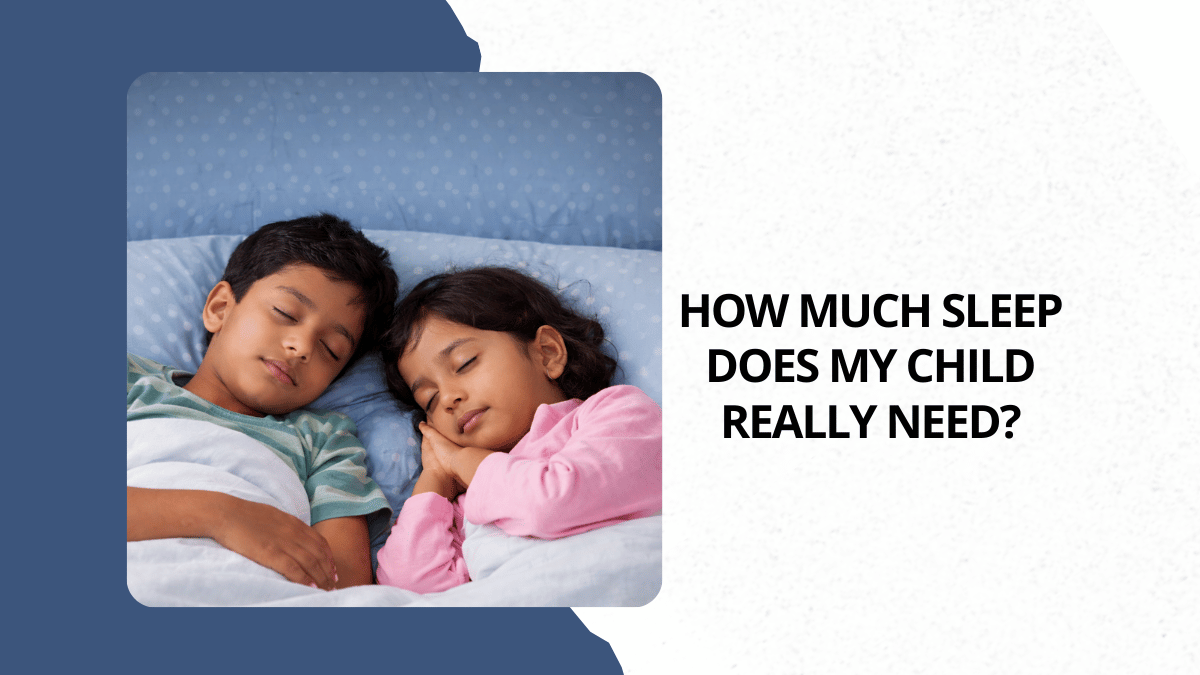
Sleep is not just rest; it is a vital part of a child’s physical growth, brain development, emotional balance, and immunity. While every child is different, there are general sleep requirements based on age. Understanding these needs can help parents support healthy sleep habits from early childhood.
How Much Sleep Do Children Need by Age?
As a guide, children usually require:
- Newborns (0–3 months): 14–17 hours a day
- Infants (4–12 months): 12–16 hours (including naps)
- Toddlers (1–2 years): 11–14 hours
- Preschoolers (3–5 years): 10–13 hours
- School-age children (6–12 years): 9–12 hours
- Teenagers (13–18 years): 8–10 hours
These are average ranges. Some children naturally need a little more or slightly less sleep, but consistently sleeping far below these limits can affect health and behaviour.
Why Is Sleep So Important for Children?
During sleep, the body releases growth hormone, which supports physical development. The brain processes learning and memory, helping children concentrate better in school. Adequate sleep also strengthens immunity, making children less prone to frequent infections. Children who do not get enough sleep may become irritable, hyperactive, or emotionally sensitive. Poor sleep can also affect appetite, leading to overeating or poor weight gain.
Signs Your Child Is Not Getting Enough Sleep
Parents often focus on bedtime, but the child’s daytime behaviour tells an important story. Warning signs include:
- Difficulty waking up in the morning
- Daytime sleepiness or frequent yawning
- Poor attention or learning difficulties
- Increased tantrums or mood swings
- Falling asleep during school or homework time
- Dark circles or frequent headaches
If these signs are persistent, sleep patterns should be evaluated.
Common Causes of Poor Sleep in Children
In today’s world, the most common causes include:
- Irregular bedtime routines
- Excessive screen time before bed
- Late dinners or heavy meals at night
- Anxiety, fear, or separation issues
- Nasal allergies, asthma, or frequent cough
- Sleep disorders such as snoring or sleep apnea
Medical conditions such as allergies or asthma can disturb night sleep without parents realizing the full impact.
How Parents Can Encourage Healthy Sleep
Good sleep habits start with consistency:
- Maintain a fixed bedtime and wake-up time, even on weekends
- Create a calming bedtime routine with reading or quiet play
- Avoid screens at least one hour before sleep
- Keep the bedroom dark, quiet, and comfortable
- Encourage daytime physical activity
- Limit sugary foods and caffeine-containing drinks in older children
For younger children, gentle reassurance and predictable routines help them feel secure at bedtime.
When Should Parents Seek Medical Advice?
Consult a pediatrician if your child:
- Snores loudly or breathes through the mouth during sleep
- Wakes frequently at night
- Has difficulty falling asleep despite routines
- Seems tired despite adequate sleep hours
- Has frequent nightmares or bedwetting beyond the expected age
Sleep problems can sometimes indicate underlying issues such as enlarged tonsils, allergies, or emotional stress.
Sleep is not a luxury for children - it is a necessity for healthy growth and learning. A well-rested child is more attentive, emotionally balanced, and physically stronger. Instead of focusing only on how late your child sleeps, focus on how well and how long they sleep.
If you are concerned about your child’s sleep pattern, do not ignore it. With proper guidance and small lifestyle changes, most sleep issues can be corrected effectively. Your child’s health is shaped not only by what they eat and how they study, but also by how well they sleep. Helping them develop healthy sleep habits today will support their wellbeing for years to come.


Add a Comment