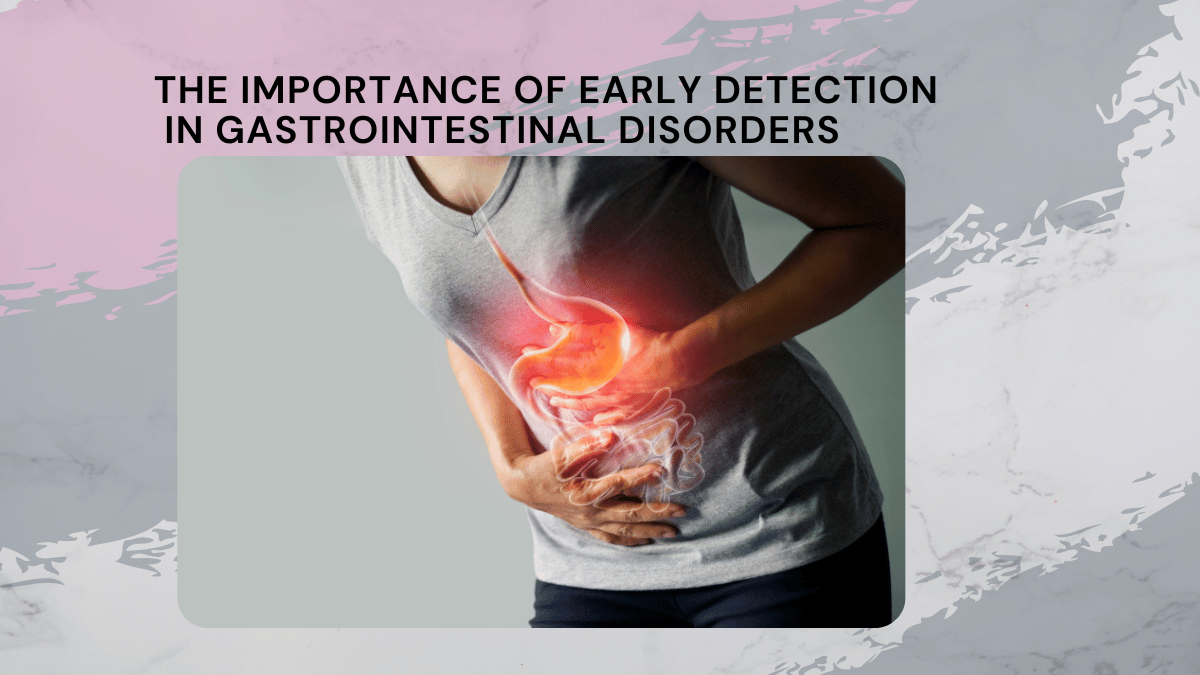
Living with gastrointestinal discomfort can be isolating. Over the years, I’ve seen many patients suffer in silence, dismissing their symptoms as minor or temporary. What starts as occasional bloating or mild discomfort is often ignored until the pain becomes severe or new alarming symptoms appear. Unfortunately, by that time, the condition has often progressed and treatment becomes more complex. From my journey as a surgeon and caregiver, I’ve learned that early detection makes all the difference.
Why Early Detection Matters:
Gastrointestinal disorders vary widely—from simple indigestion to more serious conditions like gallstones and bile duct stones. These conditions may begin with subtle signs such as bloating, mild abdominal discomfort, or indigestion after meals. Many people overlook these signals, assuming they are caused by diet or stress. However, when gallstones move or block the bile duct, they can trigger sudden severe pain, jaundice, or even life-threatening infections. Detecting the problem early allows for simpler treatments and prevents dangerous complications.
A Patient’s Journey: Recognizing the Signs:
I recall the case of Mr. Ramesh, a 48-year-old who experienced occasional bloating and mild abdominal discomfort for several months. He brushed it off as a result of irregular eating habits. One evening, he developed severe abdominal pain accompanied by yellowing of the eyes and skin. After thorough tests, we discovered multiple stones in his gall bladder and bile duct. Tests revealed multiple stones in his gallbladder and bile duct — the stones had slipped from the gallbladder into the bile duct. Because the condition had progressed, he required both ERCP and cholecystectomy surgery. Had the stones been detected earlier, a simple cholecystectomy would have sufficed. This case underscored for me that listening to your body early can save you from unnecessary suffering later.
Lessons Learned in the Clinic:
From experience, I emphasize to my patients that persistent bloating, recurrent abdominal discomfort, or indigestion that doesn’t improve with lifestyle changes should never be ignored. Simple diagnostic tests like ultrasound or liver function tests can detect gallstones or bile duct blockages before they cause serious problems. Just as I often remind my patients—“Prevention is always better than cure.”
The Role of Awareness and Lifestyle:
Maintaining a balanced diet, staying hydrated, exercising regularly, and avoiding fatty, fried, or overly processed foods can help reduce the risk of gallstone formation. While lifestyle habits are important, awareness is equally crucial. If symptoms appear, seeking timely medical attention is key. An early diagnosis can transform what might become an emergency into a manageable condition.
A Message for All:
One of the most important lessons I’ve learned is that early detection saves lives and reduces suffering. Symptoms like persistent bloating, abdominal discomfort, or jaundice should never be dismissed. Your health is too valuable to ignore warning signs. Regular check-ups and prompt investigations are your best defense against serious gastrointestinal complications.
My Commitment as a Caregiver:
As a surgeon and caregiver, my mission is to diagnose conditions early and offer the most effective, minimally invasive treatments. I strive to empower my patients with knowledge so they don’t wait until pain becomes unbearable. In gastrointestinal health, early detection isn’t just good medicine—it’s a lifeline.
👉 Remember: your health is your greatest asset. Don’t ignore mild symptoms; act early, seek help, and protect your future well-being.



Add a Comment