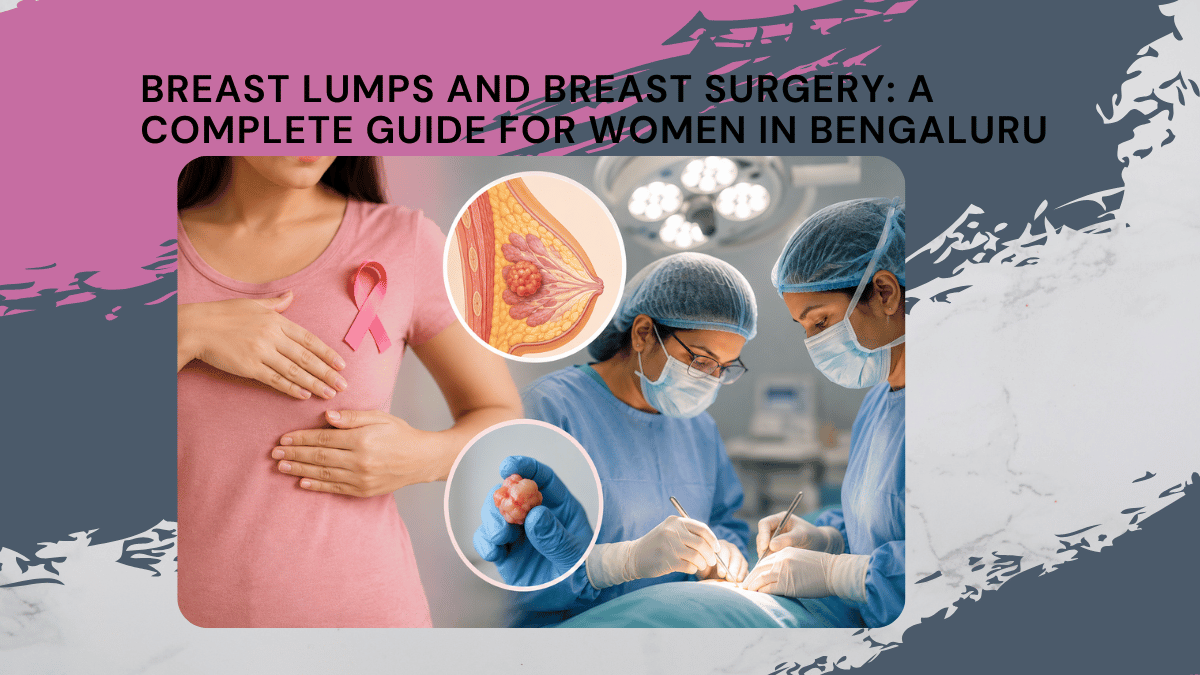
Finding a lump in your breast can be unsettling. For many women, the first thoughts are often, 'Could this be cancer?' or 'Do I need surgery?' While it is natural to feel concerned, a breast lump does not automatically mean breast cancer. Many breast lumps are benign, and some may only need observation. Others require further investigation, a biopsy, or surgical treatment. The most important step is to have any new or persistent breast change properly evaluated rather than trying to diagnose it yourself or delaying care out of fear.
I am Dr. Anupama Pujar K, General and Laparoscopic Surgeon in Bengaluru, and breast conditions and breast surgery form an important part of my surgical practice. My approach is to help women understand what a breast lump may mean, which investigations are appropriate, and when surgery is genuinely necessary. In this comprehensive guide, I will take you through the complete patient journey, from discovering a breast lump to diagnosis, treatment, breast surgery, and recovery.
I Have Found a Breast Lump. What Should I Do?
One of the most common concerns I hear from women is what they should do after discovering a lump.
The first thing to understand is that not every breast lump is cancerous. Breasts naturally change throughout a woman's life, and their texture can vary with age, menstrual cycles, pregnancy, breastfeeding, and hormonal changes. Some women naturally have lumpier breast tissue than others. However, a new breast lump should not simply be ignored. If you notice a lump that was not present before, a persistent thickening in the breast, a change in breast shape, nipple discharge, nipple inversion, or changes in the skin over the breast, it is advisable to seek a medical evaluation.
The purpose of consulting a surgeon is not to assume the worst. It is to understand what the lump actually is. In many cases, clinical examination and appropriate imaging provide considerable reassurance. In other situations, additional investigations may be recommended so that we can reach an accurate diagnosis and plan the next step.
What Causes Breast Lumps?
There are several possible causes of breast lumps, and many are non-cancerous.
Fibroadenoma
A fibroadenoma is a common benign breast lump, particularly in younger women. It often feels smooth, firm, and mobile beneath the skin. Depending on its size, symptoms, imaging characteristics, and changes over time, a fibroadenoma may sometimes be monitored. In selected situations, removal may be considered.
Breast Cysts
Breast cysts are fluid-filled sacs that can develop within breast tissue. They may feel tender, particularly around the menstrual cycle. Some cysts do not require treatment, while others may need further evaluation or aspiration depending on their characteristics and associated symptoms.
Fibrocystic Breast Changes
Hormonal fluctuations can cause breasts to feel lumpy, tender, or uncomfortable. These changes may become more noticeable before menstruation and improve afterwards. A clinical evaluation can help distinguish these changes from a persistent or suspicious lump.
Breast Infection or Abscess
Breast infections can cause pain, redness, warmth, swelling, and sometimes fever. An abscess is a collection of pus that may require antibiotics and, in some cases, drainage. Breast infections are particularly associated with breastfeeding, although they can occur in other circumstances as well.
Fat Necrosis
Fat necrosis may occur following trauma, surgery, or injury to fatty breast tissue. It can sometimes create a firm lump that requires evaluation because its presentation may resemble other breast conditions.
Breast Cancer
A breast lump can also represent a malignant tumour. This is why persistent or suspicious breast changes require appropriate assessment. Early evaluation is important because if breast cancer is diagnosed, identifying it at an earlier stage may allow a broader range of treatment options and potentially improve outcomes.
Benign Versus Malignant Breast Lumps: Can You Tell the Difference?
Women often ask whether they can identify a cancerous lump by touching it. The answer is that you cannot reliably determine whether a breast lump is benign or malignant by touch alone. Some benign lumps may feel firm, while some malignant lesions may not have the characteristics people commonly associate with cancer. This is why self-diagnosis based on physical characteristics is unreliable.
During a clinical examination, I assess several features, including the lump's size, location, consistency, mobility, and relationship with surrounding tissue. I also examine the skin, nipple, and, when appropriate, the lymph nodes in the armpit. However, clinical examination is only one part of the diagnostic process. Depending on a woman's age and clinical findings, imaging and sometimes a tissue diagnosis may be necessary before we can confidently determine the nature of a breast abnormality.
Which Breast Changes Should You Not Ignore?
A breast lump is not the only symptom that deserves attention. I encourage women to seek medical advice if they notice:
- A new or persistent lump in the breast or armpit
- An area of unusual thickening within the breast
- A noticeable change in breast size or shape
- Persistent breast pain in a particular area
- Spontaneous or bloody nipple discharge
- A nipple that has recently become inverted
- Redness or persistent swelling of the breast
- Dimpling or puckering of the breast skin
- Persistent skin changes around the nipple or breast
- A lump that appears to be increasing in size
These symptoms do not necessarily mean that cancer is present. However, they provide a reason for proper evaluation.
How Are Breast Lumps Investigated?
When you consult a doctor for a breast lump, the investigation process is usually individualised according to your age, symptoms, examination findings, and medical history. The assessment may involve what is often described as a triple assessment, combining clinical examination, imaging, and tissue sampling when indicated.
Clinical Breast Examination
The first step is usually a detailed consultation and physical examination. I will ask when you first noticed the lump, whether it has changed in size, whether it is painful, and whether you have noticed nipple discharge or skin changes. Your menstrual and reproductive history, previous breast problems, surgeries, and relevant family history may also form part of the clinical breast assessment.
Breast Ultrasound
Ultrasound uses sound waves to examine breast tissue. It can be particularly useful in evaluating breast lumps and distinguishing between fluid-filled cystic lesions and solid masses. It is commonly used in younger women, although its role depends on individual clinical circumstances.
Mammography
A mammogram is a specialised X-ray examination of the breasts. It can help identify masses, calcifications, and other abnormalities that may not always be detectable during physical examination. The decision to recommend mammography depends on factors including age, symptoms, and clinical findings.
Biopsy
If a breast abnormality requires tissue diagnosis, a biopsy may be recommended. During a biopsy, a sample of tissue is obtained and examined by a pathologist. This can provide important information about whether the abnormality is benign or malignant and, when cancer is diagnosed, help guide further treatment planning. A recommendation for biopsy does not automatically mean that a woman has cancer. It means that additional information is needed to establish an accurate diagnosis.
Does Every Breast Lump Need Surgery?
No. Not every breast lump requires an operation. This is an important point because many women come to a surgical consultation believing that seeing a surgeon automatically means they will undergo surgery. My role as a surgeon begins with diagnosis and appropriate treatment planning. Sometimes, the most appropriate recommendation is observation rather than an operation.
A benign lump that is small, stable, appropriately evaluated, and not causing significant symptoms may sometimes be monitored. Surgery may be considered when a lump is increasing in size, causing significant symptoms, producing uncertainty despite investigations, showing concerning characteristics, or when tissue removal is necessary for diagnosis or treatment. The decision is individualised. I believe women should understand why surgery is being recommended, what the procedure involves, and whether reasonable alternatives are available before making a treatment decision.
What Is an Excision Biopsy?
An excision biopsy involves surgically removing a breast lump so that the entire lesion can be examined. It may be considered for selected breast lumps when complete removal is clinically appropriate or when a definitive tissue diagnosis is needed. The procedure and incision are planned according to factors such as the size and location of the lump. Whenever possible and oncologically appropriate, surgical planning also considers the cosmetic appearance of the breast. However, the priority remains safe and appropriate treatment. The removed tissue is sent for histopathological examination, which provides the final diagnosis.
How Do I Prepare for Breast Surgery?
Preparation depends on the procedure being performed and your overall health. Before surgery, you may undergo blood tests and other investigations depending on your age, medical history, and the type of operation planned. It is important to inform your surgical team about medications you take regularly, including blood thinners and supplements. You should not stop prescribed medication without medical advice.
Before the procedure, I encourage patients to ask questions such as: What exactly will be removed? Where is the incision likely to be? Will I need to stay in hospital? How much pain should I expect? When can I return to work? Will I need additional treatment? Understanding the procedure before surgery can reduce uncertainty and help you prepare practically and emotionally for recovery.
What Is Recovery Like After Breast Surgery?
Recovery varies considerably depending on whether you have undergone a small lump excision, lumpectomy, mastectomy, or another procedure. After a smaller breast operation, some patients may be able to return to routine activities relatively quickly, while larger procedures require a longer recovery period. Pain and discomfort are managed appropriately after surgery. You will receive instructions regarding wound care, bathing, physical activity, and follow-up appointments. Some patients may temporarily experience swelling, bruising, tightness, or altered sensation around the surgical area.
I advise patients not to compare their recovery too closely with someone else's experience. Your recovery depends on your operation, general health, and individual healing process. Most importantly, follow-up after surgery should not be neglected. If tissue has been removed, the histopathology report needs to be reviewed. Depending on the findings, no further treatment may be necessary, or additional evaluation and treatment may be recommended.
What Happens If a Breast Lump Is Cancerous?
If investigations confirm breast cancer, the next step is to understand the type and extent of the disease and develop an appropriate treatment plan. Breast cancer treatment is often multidisciplinary. Depending on the individual diagnosis, care may involve a breast or general surgeon, medical oncologist, radiation oncologist, radiologist, pathologist, and other healthcare professionals.
Treatment may include surgery, chemotherapy, radiotherapy, hormonal therapy, targeted therapy, or a combination of approaches. The sequence of these treatments varies. Some patients undergo surgery first, while others may receive systemic treatment before surgery. The key point I want women to understand is that breast cancer treatment is not one-size-fits-all. A treatment plan should be based on the characteristics of the disease and the individual patient's clinical circumstances.
Should You See a Surgeon Directly or Wait for a GP Referral?
If you have discovered a persistent breast lump or concerning breast change, seeking appropriate medical evaluation is more important than worrying about which route you take first. You may begin by consulting your general physician or gynaecologist, who can evaluate the problem and refer you if required. You may also consult a surgeon experienced in breast conditions directly where healthcare access allows.
A surgeon does more than perform operations. We assess symptoms, examine breast abnormalities, coordinate appropriate investigations, interpret findings in the context of the clinical picture, and determine whether surgery is actually required. If your symptoms are persistent or concerning, I would not recommend repeatedly postponing evaluation simply because you are waiting for the 'perfect' time to seek care.
Why Women Sometimes Delay Getting a Breast Lump Checked
Fear is one of the most common reasons. Some women avoid medical consultation because they are frightened that the lump might be cancer. Others are busy caring for their families, managing careers, or balancing multiple responsibilities. Some assume that because a lump does not hurt, it cannot be serious. There can also be embarrassment or anxiety surrounding breast examinations.
But avoiding evaluation does not change the underlying condition. If the lump is benign, proper assessment can provide reassurance and help determine whether any treatment is needed. If further treatment is required, identifying the problem earlier allows the healthcare team to begin appropriate planning without unnecessary delay.
Breast Awareness: Know What Is Normal for You
Breast awareness does not mean living in constant fear or repeatedly checking your breasts with anxiety. It means becoming familiar with how your breasts normally look and feel so that you are more likely to recognise a meaningful change. Women should pay attention to new lumps, persistent focal changes, unusual nipple discharge, changes in nipple position, and alterations in the skin or shape of the breast. If you notice something unusual, do not panic, but do not ignore it either. Breast awareness works best when it is combined with appropriate clinical evaluation and age- and risk-appropriate screening recommendations.
A Final Message for Every Woman Who Finds a Breast Lump
If you have recently found a breast lump, I want you to remember two things. First, a breast lump does not automatically mean breast cancer. Second, you should not ignore a persistent breast lump simply because you are afraid of what it might be. The right next step is evaluation. Sometimes, the outcome is reassurance and observation. Sometimes, additional imaging or a biopsy is required. In selected cases, surgery becomes part of the treatment plan. My role as a surgeon is to help you move through these steps with clarity. I believe every woman deserves to understand her diagnosis, why a particular investigation has been recommended, whether surgery is necessary, and what she can expect from treatment and recovery.
To book a consultation with Dr. Anupama Pujar K at BOSH, HRBR Layout (Mon/Wed/Thu 5-6 PM; Sat 9-10 AM, call 080672 38855), Motherhood Hospital HRBR Layout (Tue/Fri 5-6 PM, call 080 6954 9278), or Sapthagiri Hospital Hesarghatta Road (Tue/Fri 9 AM-3 PM, call +91 9108475968).
Written by Dr. Anupama Pujar K, MBBS (M S Ramaiah Medical College, Bengaluru), MS General Surgery (JSS Medical College, Mysore, 2006), FMAS, FIAGES, Dip MAS, ATLS Provider, General and Laparoscopic Surgeon, Bangalore Orthopaedic and Surgical Hospital (BOSH), Motherhood Hospital HRBR Layout, and Sapthagiri Super Speciality Hospital, Bengaluru. Phone: +91 80 6954 9278 / +91 80672 38855.
Related reading
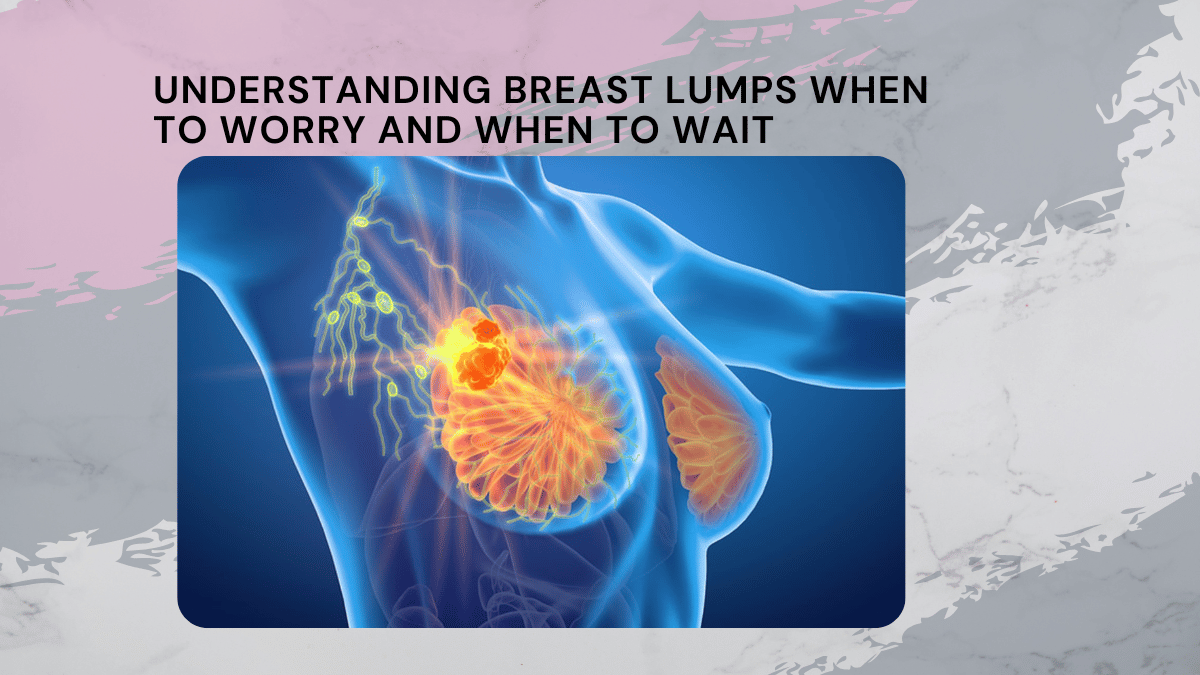
Understanding Breast Lumps When to Worry and When to Wait
The Importance of Early Detection in Gastrointestinal Disorders from Dr Anupama Pujar K
Why People Delay Treatment for Anal Pain—and Why They Shouldn’t

Add a Comment