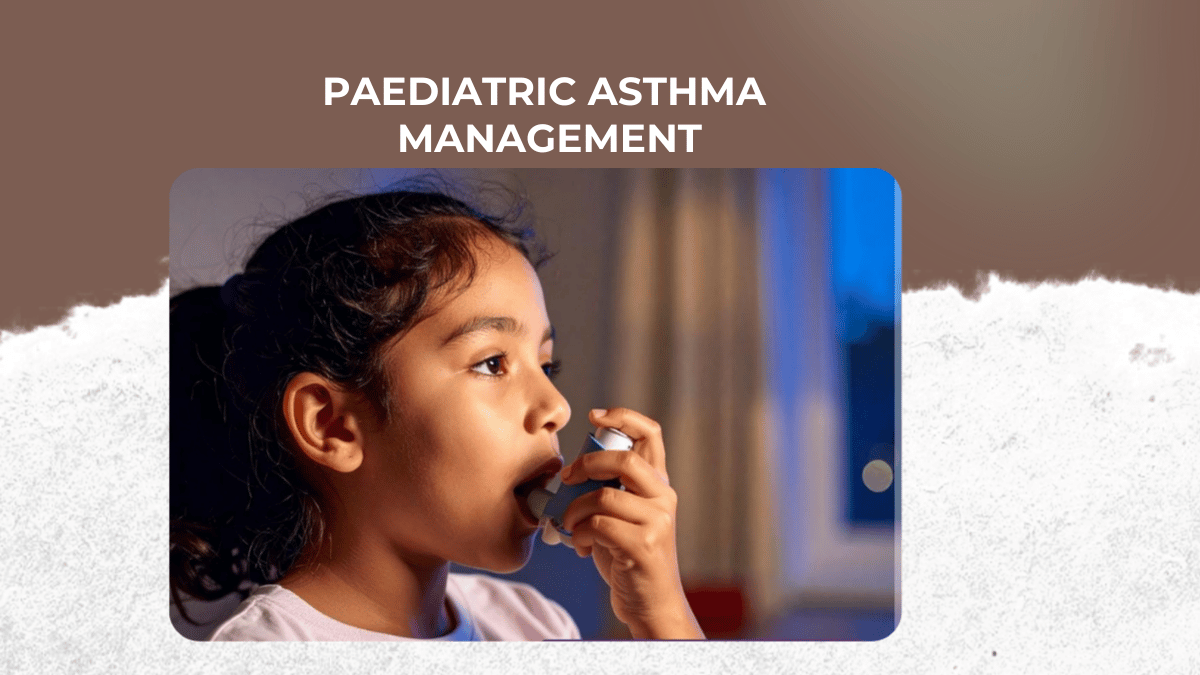
Paediatric asthma is one of the most common chronic respiratory conditions affecting children worldwide. It occurs when the airways become inflamed and narrowed, making breathing difficult and causing symptoms such as wheezing, persistent cough, chest tightness, and shortness of breath. Asthma can significantly affect a child’s daily activities, sleep, and overall quality of life if not properly managed. However, with early diagnosis and appropriate treatment, most children with asthma can lead active and healthy lives. Effective paediatric asthma management focuses on controlling symptoms, preventing flare-ups, and improving long-term lung health.
In my clinical practice, I often meet parents who are worried about their child’s repeated coughing or wheezing episodes. Many of these children are eventually diagnosed with asthma after careful evaluation. As a paediatric pulmonologist, I always emphasize that asthma is a manageable condition when treated with the right approach. By identifying triggers such as dust, pollen, infections, or environmental pollutants, and combining this with evidence-based treatment strategies, we can significantly reduce asthma attacks and help children breathe comfortably.
Asthma symptoms in children may vary depending on the severity of the condition. Common signs include persistent cough, especially at night or early morning, wheezing sounds during breathing, rapid breathing, and frequent chest tightness. Some children may also experience repeated respiratory infections that worsen asthma symptoms. Identifying these warning signs early allows doctors to diagnose asthma accurately and begin appropriate treatment before the condition becomes more severe.
Paediatric asthma management typically involves a combination of medications and lifestyle modifications. Inhaled medications, including bronchodilators and anti-inflammatory inhalers, are commonly used to control airway inflammation and improve breathing. Doctors may also recommend allergy management strategies if environmental triggers are involved. Educating parents about proper inhaler technique, trigger avoidance, and recognizing early symptoms of asthma attacks plays a vital role in successful asthma control.
Preventive care is an essential part of managing asthma in children. Maintaining a clean indoor environment, reducing exposure to dust and allergens, ensuring routine vaccinations, and encouraging regular physical activity can help strengthen a child’s respiratory health. Regular follow-up with a paediatric specialist ensures that treatment plans are adjusted as the child grows and their respiratory needs change.
Conclusion
Paediatric asthma requires consistent monitoring, timely treatment, and strong collaboration between parents and healthcare providers. With proper medical guidance and preventive strategies, children with asthma can achieve excellent symptom control and enjoy an active lifestyle. Early diagnosis and effective paediatric asthma management are key to protecting long-term lung health and ensuring a better quality of life for children.


Add a Comment