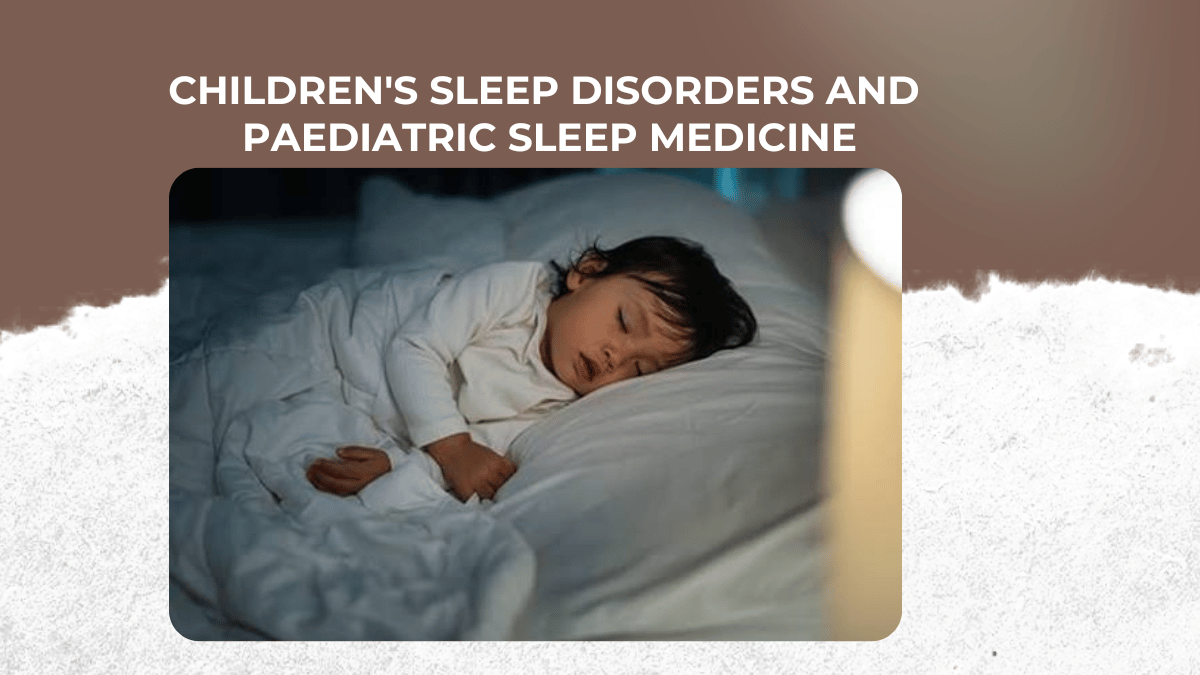
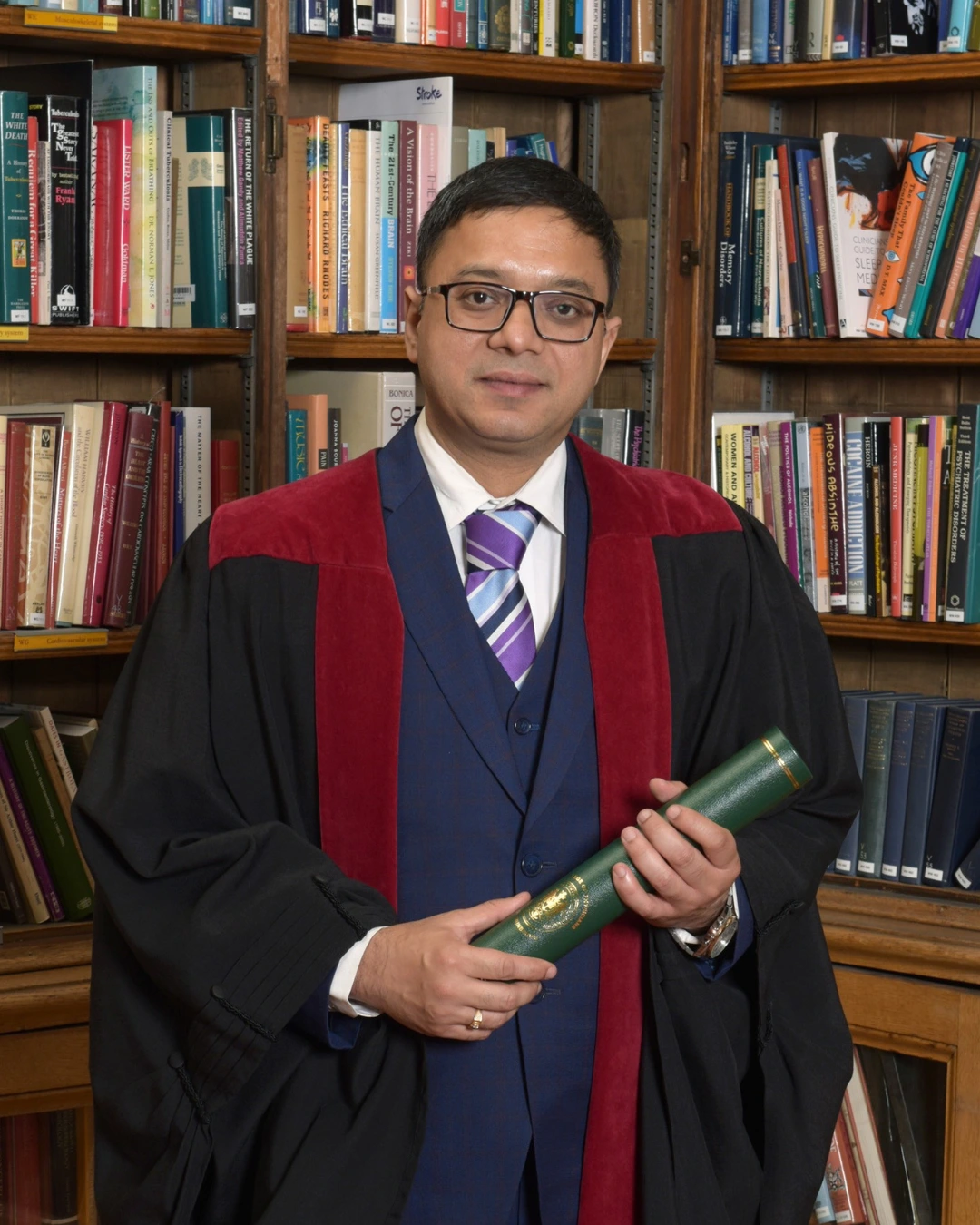
Sleep is not a passive state. For a growing child, sleep is when the brain consolidates the day's learning, when growth hormone is released in its largest daily pulse, when the immune system performs much of its maintenance work, and when the emotional processing that determines a child's mood, behaviour, and resilience the following day takes place. When a child's sleep is disrupted, fragmented, or obstructed, these essential processes are compromised in ways that may not be immediately obvious, but that accumulate over months and years into measurable effects on growth, cognitive development, academic performance, and behavioural regulation. I am Dr. Atanu Pan, FRCPCH, MRCPCH, FRCP Edinburgh, with a Diploma in Paediatric Sleep Medicine from the University of Colorado and Shishuka Children Hospital, one of the world's leading paediatric sleep medicine training programmes. Sleep medicine is a dedicated subspecialty of my practice across my Kolkata clinics, and this guide is written for every parent in Kolkata who has been told their child snores, who has noticed pauses in their child's breathing during sleep, or who has a child who struggles to wake up, is excessively sleepy during the day, or is performing below their ability at school. Children's sleep disorders are common, frequently underdiagnosed, and very effectively treated when they are identified correctly.
Why Sleep Matters So Much in Childhood
The amount of sleep a child needs varies with age in a way that reflects the intensity of the developmental work the brain is doing. Newborns sleep 14 to 17 hours in 24 hours, not because they are inactive, but because the brain is doing more structural and functional development per hour than it will at any other point in life. School-age children need 9 to 11 hours. Teenagers, contrary to popular assumption, need 8 to 10 hours, and the biological shift in circadian rhythm that makes adolescents want to sleep later and wake later is a genuine developmental phenomenon, not laziness. The consequences of chronic insufficient sleep in children extend well beyond tiredness. In children, unlike adults, sleep deprivation frequently produces hyperactivity, poor impulse control, and emotional dysregulation rather than drowsiness, which is why sleep-disordered children are sometimes incorrectly labelled as having ADHD. Growth faltering, reduced immune function, and poor academic performance are all documented consequences of chronic sleep disruption. My research interests specifically include the relationship between sleep-disordered breathing in children and its impact on academic performance because this is the dimension of paediatric sleep medicine that parents most underestimate.
Types of Sleep Disorders in Children
Paediatric sleep disorders encompass a wider range of conditions than most parents are aware of. Sleep-disordered breathing is the most common and the most important from a health perspective, but it is far from the only category.
Sleep-Disordered Breathing and Obstructive Sleep Apnoea
Sleep-disordered breathing in children ranges from primary snoring, which is simply noisy breathing during sleep without significant oxygen desaturation or arousal, to upper airway resistance syndrome, to frank obstructive sleep apnoea (OSA), where the upper airway repeatedly collapses during sleep, blocking airflow and producing repeated arousals from sleep as the brain responds to the falling oxygen level. In children, the most common cause of OSA is enlarged tonsils and adenoids relative to the size of the airway, which is why adenotonsillectomy is the most common surgical treatment for paediatric OSA. Obesity is an additional and increasingly prevalent risk factor for paediatric OSA in Indian urban children, and craniofacial abnormalities are important in certain paediatric populations. The classic presentation of paediatric OSA is habitual snoring with witnessed pauses in breathing, restless sleep, unusual sleeping positions such as neck hyperextension, night sweats, and morning headaches, followed by daytime symptoms of drowsiness, inattention, hyperactivity, and poor school performance. The snoring child who seems fine during the day may be experiencing significant oxygen desaturation overnight that is silently impairing brain function.
Behavioural Insomnia of Childhood
Behavioural insomnia of childhood is the most common sleep disorder overall in young children and is characterised by difficulty falling asleep at bedtime, frequent night wakings, or both, driven by learned associations rather than by physiological disease. The sleep-onset association subtype occurs when a child has learned to fall asleep only under specific conditions, such as being held, fed, or having a parent present, and then wakes during the normal light sleep transitions of the night and requires those same conditions to return to sleep. The limit-setting subtype occurs when children who can fall asleep independently resist or refuse bedtime in the absence of firm parental boundaries. Both are highly amenable to structured behavioural intervention without any medication.
Parasomnias: Night Terrors, Sleepwalking, and Nightmares
Parasomnias are behaviours or experiences that occur during sleep or at the transitions between sleep and wakefulness. Night terrors, which typically occur in the first third of the night during deep slow-wave sleep, produce episodes of intense distress, screaming, and apparent fear during which the child is not fully conscious and cannot be comforted. They are developmentally normal in children aged two to six, do not indicate psychological disturbance, and are typically not remembered by the child the following morning. Sleepwalking similarly occurs during deep sleep and is also largely developmental. Nightmares, by contrast, occur during REM sleep in the second half of the night, are remembered, and may indicate psychological stress in the child that warrants gentle exploration.
Restless Legs Syndrome and Periodic Limb Movement Disorder
Restless legs syndrome (RLS) in children presents as an uncomfortable urge to move the legs, typically worse in the evening and at night, that is relieved by movement. Children may describe the sensation as bugs crawling, tickling, or an unpleasant feeling they cannot explain, and may present with difficulty settling at bedtime or refusing to stay in bed. Periodic limb movement disorder produces repetitive limb movements during sleep that can be detected on polysomnography. Both conditions are associated with iron deficiency, and a serum ferritin level should be checked in any child with suspected RLS. Treatment of iron deficiency frequently resolves or significantly improves RLS symptoms.
Circadian Rhythm Disorders
Delayed sleep phase syndrome is the most common circadian rhythm disorder in adolescents, where the biological clock is shifted so that the teenager does not feel sleepy until 1 to 3 AM and cannot wake at a conventional school time without significant difficulty. This is a genuine biological disorder, not willful defiance, and it is increasingly being recognised as a contributor to the chronic sleep deprivation that affects a significant proportion of Indian secondary school students. The consequences include chronic sleepiness during morning school hours, impaired academic performance, and mood dysregulation, compounded by the fact that the teenager may get sufficient sleep at weekends but is chronically under-slept during the school week. Delayed sleep phase syndrome in adolescents is a treatable circadian rhythm disorder, not a discipline problem.
Warning Signs That Your Child's Sleep Needs Medical Evaluation
Many parents observe signs of sleep-disordered breathing in their children and either normalise them as phases that will pass, or are unsure whether they warrant a medical consultation. The following signs should prompt a paediatric sleep medicine evaluation: habitual snoring on most nights of the week, not just when the child has a cold; observed pauses in breathing during sleep; the child appearing to struggle to breathe during sleep; persistent mouth breathing during the day or at night; restless sleep, frequent repositioning, or unusual sleeping positions; bedwetting in a child who had previously been dry at night; morning headaches on waking; unusual daytime sleepiness in a school-age child or adolescent; declining school performance without a clear academic explanation; and behaviour changes including increased inattention, impulsivity, or emotional reactivity. Any one of these signs in isolation warrants mention at the next paediatric consultation; several together warrant an urgent assessment.
How Paediatric Sleep Disorders Are Diagnosed: The Sleep Study
The gold standard investigation for paediatric sleep-disordered breathing is the Level 1 Polysomnography (PSG), a comprehensive overnight sleep study that simultaneously records brain electrical activity (EEG), eye movements (EOG), muscle activity (EMG), oxygen saturation, airflow, breathing effort, heart rate, and sleep position. This multi-channel recording allows the sleep medicine physician to characterise the full architecture of the child's sleep, identify the frequency and severity of respiratory events, measure the degree of oxygen desaturation associated with each event, and calculate the Apnoea Hypopnoea Index (AHI) that defines the severity of sleep apnoea. My DPSM qualification from the University of Colorado, combined with Shishuka Children Hospital's dedicated paediatric sleep programme, specifically trains me in the interpretation of paediatric polysomnography and the management decisions that flow from it. Paediatric PSG interpretation differs meaningfully from adult PSG interpretation: the scoring criteria are different, the AHI thresholds for clinical significance are different, and the range of presentations is different. The management of paediatric sleep apnoea should be guided by a physician specifically trained in paediatric sleep medicine interpretation, and this is what my DPSM qualification represents.
Treatment of Sleep Disorders in Children
The treatment of paediatric sleep disorders is specific to the type and severity of the condition. There is no single intervention that applies across the full spectrum of paediatric sleep medicine.
Adenotonsillectomy for Obstructive Sleep Apnoea
For children with OSA due to tonsillar and adenoid hypertrophy, which accounts for the majority of paediatric OSA cases, adenotonsillectomy produces significant improvement or resolution of OSA in a large proportion of children. The decision to proceed with surgery is made in collaboration with an ENT surgeon, guided by the severity of the OSA on polysomnography, the clinical presentation, and the presence of other contributing factors such as obesity or allergic rhinitis. Post-operative repeat polysomnography is recommended to confirm resolution, particularly in children with moderate to severe pre-operative OSA or significant obesity.
CPAP Therapy in Children
Continuous Positive Airway Pressure (CPAP) therapy delivers a gentle continuous stream of pressurised air through a mask worn during sleep, acting as a pneumatic splint to keep the upper airway open and prevent the obstructive events that fragment sleep. CPAP is the primary treatment for paediatric OSA when surgery is not indicated, has been inadequate, or when the child is not a surgical candidate. CPAP titration in children requires specific expertise: the pressure required must be determined either through attended in-laboratory titration or an autotitrating CPAP trial, the mask interface must be selected and fitted carefully for the child's facial anatomy, and the family requires thorough education and ongoing support to achieve and maintain adherence. CPAP therapy in children requires specialist initiation, careful titration, and close follow-up, and when managed correctly it transforms the quality of sleep and life for children with significant OSA.
Allergy Treatment and Upper Airway Optimisation
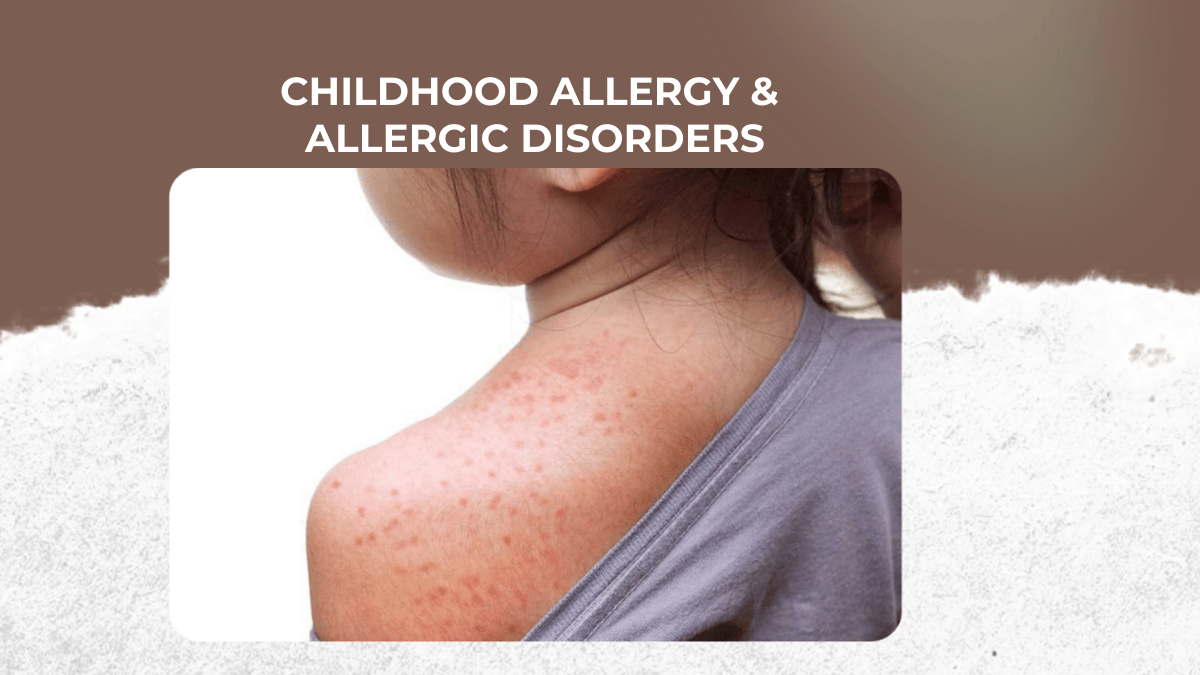
Allergic rhinitis produces nasal mucosal swelling that narrows the upper airway and contributes to nocturnal obstruction. In children with OSA and coexisting allergic rhinitis, treatment of the rhinitis with intranasal corticosteroids is part of the airway optimisation strategy alongside any surgical or CPAP intervention. My DAA from CMC Vellore and FAAP from Bharati University, combined with my FRCPCH, mean that the allergy-sleep interaction is a dimension of my practice that I assess and manage comprehensively in children, rather than referring each dimension to a separate specialist.
Behavioural Interventions for Insomnia
Behavioural insomnia of childhood is treated with behavioural interventions that restructure the child's learned sleep associations and establish consistent bedtime routines. These interventions, which include graduated extinction, standard extinction, and sleep restriction therapy, have a strong evidence base and produce durable improvements in sleep onset and maintenance without medication. Parent education and guided implementation are the core of this treatment, and the pace and approach are tailored to the family's preferences and the child's developmental stage.
Paediatric Sleep Medicine in Kolkata: What Parents Need to Know
Paediatric sleep medicine is an emerging subspecialty in India, and the availability of Level 1 Polysomnography for children, combined with a physician qualified to interpret and manage the results, is still limited to a small number of centres even in major cities. Kolkata's urban environment, with its high rates of allergic rhinitis driven by air quality and dust mite prevalence, its increasing childhood obesity, and its competitive academic culture that places considerable pressure on children's sleep schedules, creates a specific and growing burden of paediatric sleep disorders that is not yet being adequately identified or treated. I see children across my four Kolkata clinics who present with what has been attributed to ADHD, laziness, or behavioural problems, and where a structured sleep assessment reveals an untreated OSA that is the primary driver. Paediatric sleep medicine in Kolkata has been under-resourced; my DPSM from the University of Colorado is specifically designed to change what I can offer families in Kolkata.
When to Consult a Paediatric Sleep Specialist in Kolkata
A paediatric sleep medicine consultation with me is appropriate for any child who snores regularly, any child with witnessed apnoeas during sleep, any child whose school performance or behaviour has changed without a clear explanation and where sleep has not been systematically evaluated, any child who has been diagnosed with ADHD where sleep has not been formally assessed, any teenager with significant difficulty falling asleep at a conventional time, any infant or young child whose parents have concerns about their sleep pattern or breathing during sleep, and any child who has been recommended adenotonsillectomy for sleep apnoea and whose parents want a comprehensive pre-operative and post-operative sleep assessment. I consult across Narayan Memorial Hospital in Behala, Wellnest Clinic in New Alipore, Apollo Clinic in Thakurpukur, and at the HEALTH CLINIC on Surya Sen Street, College Square, Kolkata. If you have concerns about your child's sleep in Kolkata, a paediatric sleep medicine consultation is the most direct step toward understanding what is happening and what can be done.
To book a paediatric sleep medicine consultation with Dr. Atanu Pan in Kolkata, call +91 9043018361. Clinics: Narayan Memorial Hospital, Behala; Wellnest Clinic, New Alipore; Apollo Clinic Thakurpukur; and HEALTH CLINIC, 25 Surya Sen Street, College Square, Kolkata.
Written by Dr. Atanu Pan, Consultant Paediatric Allergist, Senior Consultant in Paediatrics and Paediatric Pulmonology, Narayan Memorial Hospital (Behala), Wellnest Clinic (New Alipore), Apollo Clinic Thakurpukur, and HEALTH CLINIC (25 Surya Sen Street, College Square, Kolkata). 20+ years. 20,000+ patients. Phone: +91 9043018361.
Add a Comment