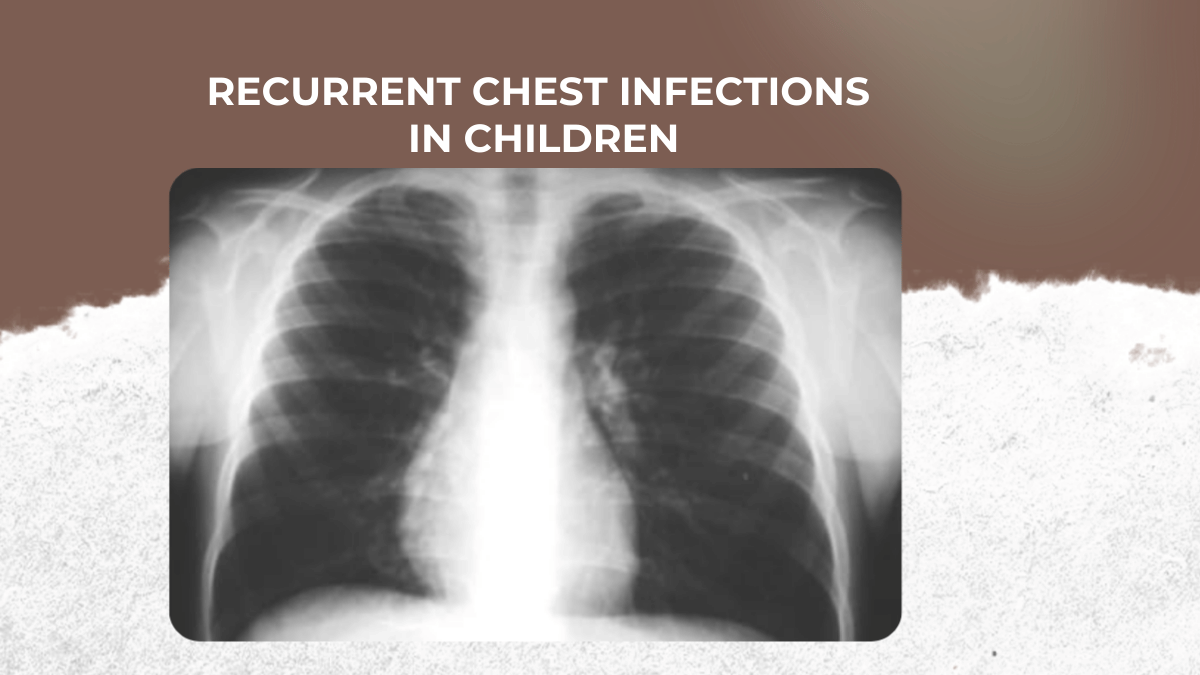
Recurrent chest infections in children are a common concern for many parents and caregivers. These infections, which may include bronchitis, pneumonia, or repeated episodes of severe cough and breathing difficulty, can affect a child’s overall health and development if not addressed promptly. Children have developing immune systems, making them more susceptible to respiratory infections caused by viruses, bacteria, allergies, or environmental triggers. Early diagnosis and appropriate medical care are essential to prevent long-term complications and support healthy lung development. Understanding the causes and warning signs of recurrent chest infections helps parents seek timely medical attention and ensure better respiratory health for their children.
In my clinical experience, I have seen many children who suffer from repeated chest infections due to underlying conditions such as asthma, allergies, or weakened immunity. As a paediatric pulmonologist, I always emphasize the importance of identifying the root cause rather than only treating the symptoms. When children are brought to my clinic with persistent cough, wheezing, or frequent respiratory illnesses, I carefully evaluate their medical history, environmental exposure, and overall respiratory health. This comprehensive approach allows me to design a treatment plan that not only manages the current infection but also helps prevent future episodes.
Several factors can contribute to recurrent chest infections in children. Viral respiratory infections are among the most common causes, especially in younger children who are frequently exposed to germs in schools or daycare settings. Allergies and asthma can also increase susceptibility to repeated infections by causing inflammation in the airways. Additionally, exposure to air pollution, tobacco smoke, dust, or poor indoor air quality may trigger respiratory problems. Nutritional deficiencies and poor immunity can further increase a child’s vulnerability to frequent chest infections.
Parents should watch for symptoms such as persistent cough lasting more than two weeks, wheezing, shortness of breath, fever, chest congestion, and fatigue. Repeated episodes of pneumonia or bronchitis within a short period may also indicate an underlying respiratory condition that requires specialist evaluation. In such cases, diagnostic tests such as lung function testing, chest imaging, or allergy assessments may help determine the underlying cause and guide treatment.
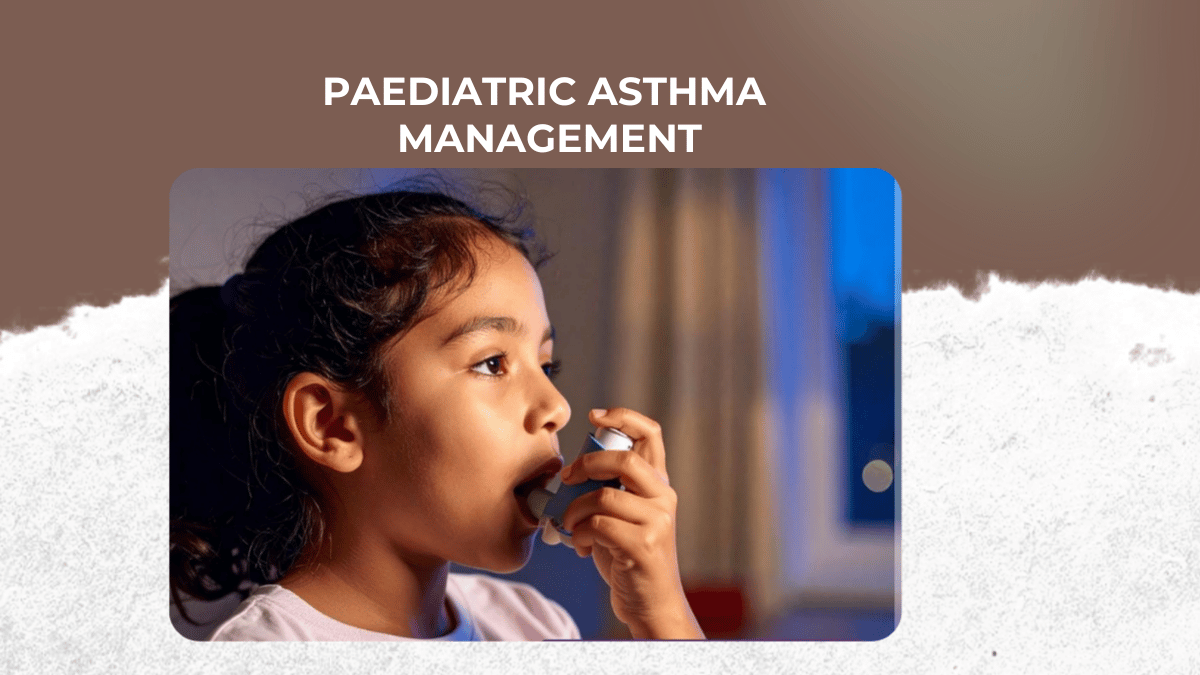
Management of recurrent chest infections focuses on both treatment and prevention. Doctors may prescribe medications such as antibiotics (for bacterial infections), inhalers for asthma-related conditions, or anti-allergy treatments when necessary. Equally important are preventive measures, including maintaining good hygiene, ensuring complete vaccination, improving indoor air quality, and strengthening the child’s immunity through balanced nutrition and healthy lifestyle habits. Regular follow-up with a pediatric specialist helps monitor the child’s progress and prevent future complications.
Conclusion
Recurrent chest infections in children should never be ignored, as they may signal underlying respiratory or allergic conditions. With early diagnosis, proper medical care, and preventive strategies, most children can achieve healthy lung function and improved overall well-being. Timely consultation with a qualified paediatric pulmonologist ensures that children receive the right treatment and long-term protection against recurring respiratory illnesses.


Add a Comment