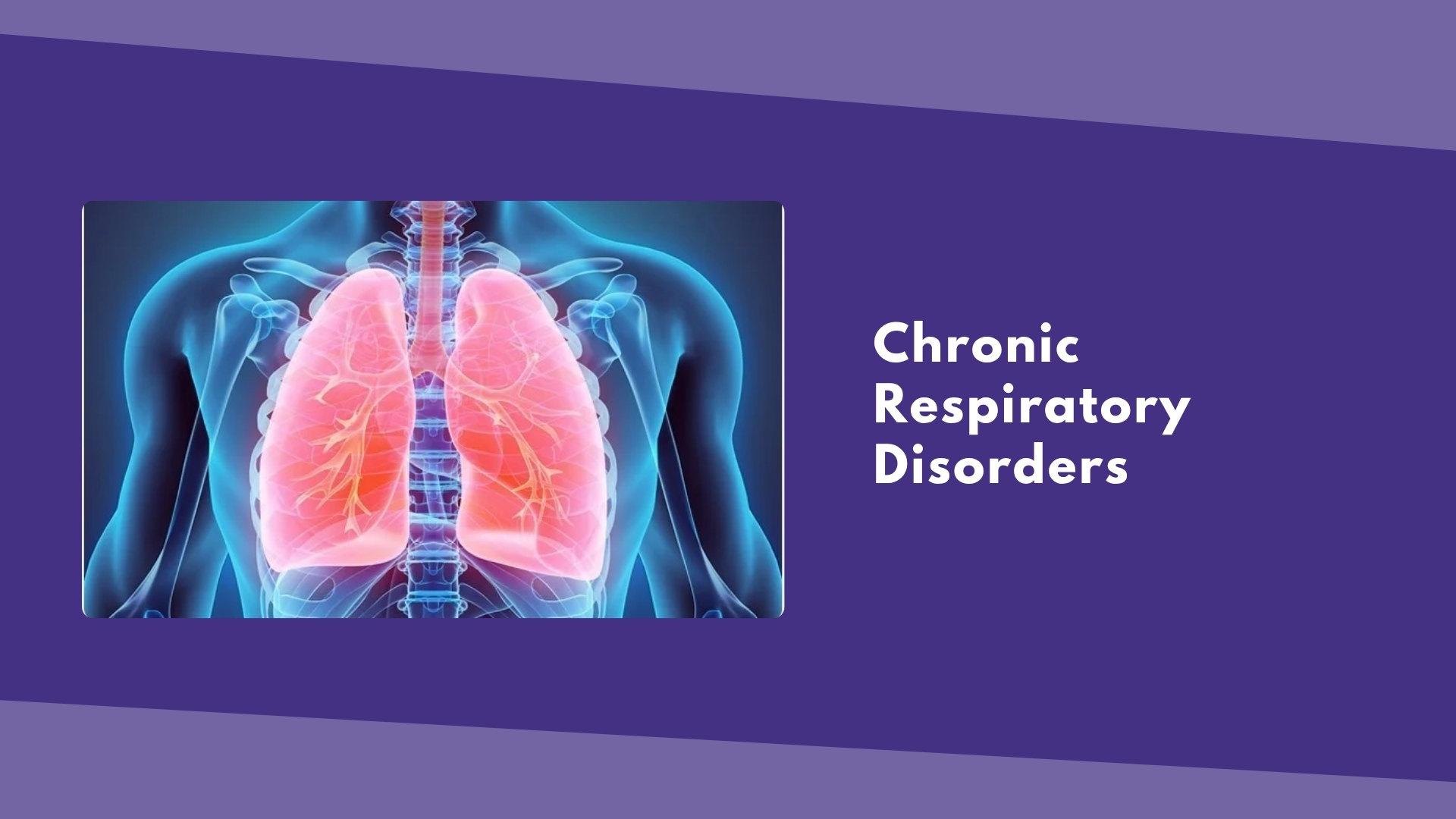
Breathing is something we rarely think about—until it becomes difficult.
In my practice, I often meet patients who have been living with cough, breathlessness, or chest discomfort for months, sometimes even years. Many dismiss these symptoms as “seasonal,” “allergy-related,” or simply part of a busy life. But when breathing problems persist, they are never something to ignore. They are your body’s way of asking for attention.
Understanding Chronic Respiratory Disorders
Chronic respiratory disorders are conditions that affect the airways and lungs over a prolonged period. These include asthma, chronic allergic airway disease, and other long-standing inflammatory conditions.
Unlike short-term infections, these disorders do not simply resolve on their own. They tend to persist, fluctuate, and, if left untreated, gradually impact lung function and overall health. What makes them challenging is that symptoms often develop slowly—making it easy to overlook their seriousness.
The Subtle Signs We Often Miss
Not every respiratory condition begins dramatically. In fact, most start quietly.
- A cough that lingers beyond a few weeks.
- A feeling of breathlessness while climbing stairs.
- Wheezing that comes and goes.
- Fatigue that feels disproportionate to effort.
I remember a young working professional who came to me with what he described as “just a persistent cough.” He had adapted to it—adjusted his routine, avoided exertion, and accepted it as normal. But on evaluation, we found underlying airway inflammation that required treatment. This is often the pattern—patients adapt to symptoms instead of addressing them.
A Personalized Approach to Care
There is no one-size-fits-all treatment when it comes to chronic respiratory disorders.
Each patient presents with a unique set of triggers, lifestyle factors, and symptom patterns. Some may be sensitive to environmental allergens, while others may have underlying inflammatory conditions requiring long-term management.
In my approach, I focus on:
- Identifying and reducing triggers
- Controlling airway inflammation
- Optimizing lung function
- Educating patients about their condition
Because managing a chronic respiratory condition is not just about treating symptoms—it is about restoring confidence in breathing.
A Story That Stays With Me
I recall a mother who brought her teenage daughter with complaints of frequent breathlessness during school activities. She had stopped participating in sports, fearing she wouldn’t be able to keep up.
After a thorough evaluation, we diagnosed a chronic airway condition that had gone unnoticed for years. With appropriate treatment and guidance, her symptoms improved significantly.
A few months later, her mother told me, “She’s back on the field again.” Moments like these remind me that timely care doesn’t just treat illness—it restores normalcy.
A Gentle Reminder
If you find yourself adjusting your life around breathing difficulties—avoiding exertion, ignoring persistent symptoms, or relying on temporary relief—it may be time to look deeper.
As a clinician, my goal is to help patients move from uncertainty to clarity, and from discomfort to control.
Because breathing is not something you should have to think about. And when you do, it deserves to be understood.




Add a Comment