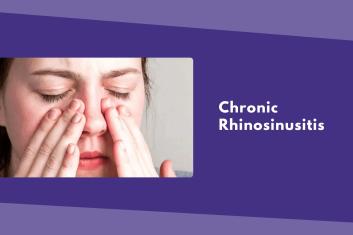
When patients walk into my clinic with complaints of “sinus,” it is often accompanied by frustration—persistent nasal blockage, headaches, facial heaviness, and a feeling that nothing truly works long-term. Many have tried repeated medications, short courses of relief, or home remedies, only to find their symptoms returning again and again.
What many don’t realize is that what they are experiencing may not be just sinusitis, but a more complex condition known as chronic rhinosinusitis.
What Is Chronic Rhinosinusitis?
Chronic rhinosinusitis (CRS) is a long-standing inflammation of the nasal passages and sinuses that persists for more than 12 weeks. Unlike acute sinus infections, which are often caused by bacteria or viruses, CRS is largely driven by ongoing inflammation.
This inflammation may be linked to allergies, environmental triggers, immune responses, or structural factors within the nasal passages. In some patients, nasal polyps—soft, painless growths—can further worsen blockage and breathing difficulty.
Understanding this distinction is crucial, because treating inflammation is very different from treating infection.
Why Symptoms Keep Coming Back
One of the most common concerns I hear is: “Doctor, why does my sinus keep returning?”
The answer lies in incomplete or surface-level treatment. When only symptoms are addressed—without identifying underlying triggers—the inflammation continues silently.
I recall a young professional who had been on multiple courses of antibiotics over the years. While each course gave temporary relief, the symptoms would inevitably return. On evaluation, it became clear that allergies were the primary driver of his condition. Once we addressed the root cause, his symptoms became far more manageable—and importantly, less frequent.
Recognizing the Signs
Chronic rhinosinusitis often presents with:
- Persistent nasal blockage or congestion
- Thick nasal discharge
- Facial pain or pressure
- Reduced sense of smell
- Frequent throat clearing or post-nasal drip
When these symptoms last for weeks or months, it is important to look beyond temporary fixes and seek a comprehensive evaluation.
A Patient’s Journey: From Frustration to Relief
I remember a mother who came to me after years of struggling with what she described as “constant sinus.” She had difficulty sleeping, frequent headaches, and relied heavily on over-the-counter medications.
After a detailed evaluation, we identified chronic rhinosinusitis with an underlying allergic component. With a structured treatment plan and consistent follow-up, her symptoms gradually improved.
A few months later, she shared something simple yet meaningful: “Doctor, I can finally breathe freely at night.”
For me, that is what treatment is truly about—restoring comfort in everyday life.
Beyond Medication: The Role of Awareness
Managing chronic rhinosinusitis is not just about prescriptions. It involves understanding triggers, maintaining consistency with treatment, and recognizing early signs of flare-ups.
Patients who are informed about their condition are better equipped to manage it effectively. Small changes—like reducing allergen exposure or maintaining nasal care routines—can make a significant difference over time.
Looking Ahead:
Chronic rhinosinusitis is a condition that can quietly impact quality of life if left unaddressed. But with the right approach, it is very much manageable.
As a clinician, my focus is always on going beyond temporary relief—to understand the underlying cause, tailor treatment, and support patients through their journey.
Because breathing comfortably should never feel like a luxury—it should be a part of everyday life.


Add a Comment