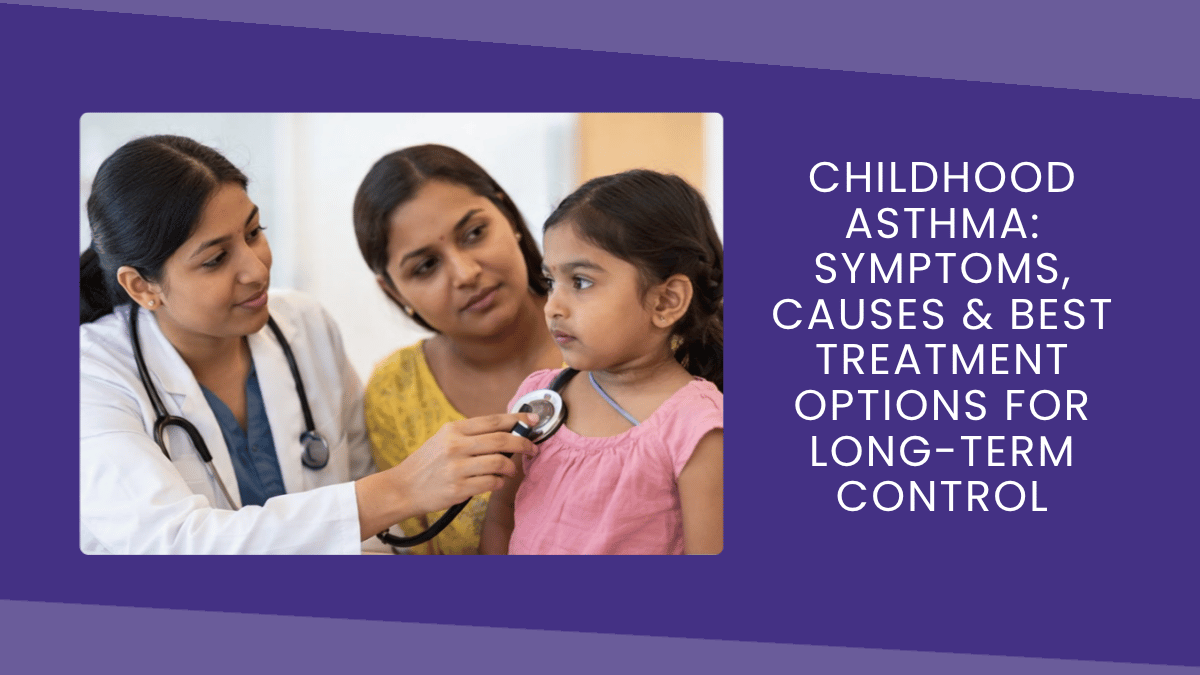
Childhood asthma is a common chronic respiratory condition that affects millions of children worldwide. It causes inflammation and narrowing of the airways, leading to symptoms such as wheezing, shortness of breath, chest tightness, and persistent coughing—especially at night or during physical activity. Early identification of asthma symptoms is crucial to prevent complications and ensure effective long-term management. Common triggers include dust mites, pollen, pet dander, cold air, respiratory infections, and pollution.
In my clinical experience, I have seen many children whose asthma symptoms were initially mistaken for recurrent cough or frequent colds. Early diagnosis makes a significant difference in a child’s quality of life. I always emphasize the importance of identifying triggers and educating parents about managing symptoms at home. With the right approach, asthma can be well-controlled, allowing children to lead active and healthy lives without frequent hospital visits.
The causes of childhood asthma are multifactorial, including genetic predisposition and environmental exposure. Children with a family history of allergies or asthma are at higher risk. Environmental factors such as air pollution, passive smoking, and indoor allergens can worsen symptoms. Recognizing these risk factors helps in early intervention and prevention.
Treatment for childhood asthma focuses on long-term control and quick relief during flare-ups. Controller medications such as inhaled corticosteroids help reduce airway inflammation, while reliever inhalers provide immediate symptom relief. In addition to medications, lifestyle modifications like maintaining a clean indoor environment, avoiding triggers, and ensuring proper nutrition play a vital role.
An asthma action plan is essential for every child diagnosed with asthma. This plan guides parents on how to manage daily care, recognize warning signs, and respond to emergencies. Regular follow-ups with a pediatric specialist ensure that treatment is adjusted according to the child’s needs.
Conclusion
childhood asthma is manageable with early diagnosis, appropriate treatment, and consistent care. Educating parents and children about the condition empowers them to take control and prevent complications. With proper management, children with asthma can enjoy a normal, active childhood.


Add a Comment