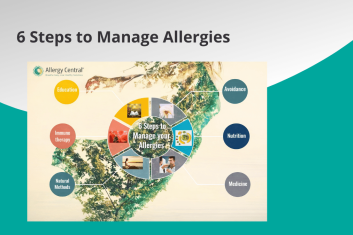
Allergies can impact many areas of life, but with effective management, symptoms can be significantly reduced. Based on my experience as an allergy specialist, I am sharing six essential steps to help control allergies and improve well-being. For more detailed insights, watch my videos on allergy management - 6 Steps to Manage Allergies
Awareness: Understand Your Allergies
Knowing your specific allergens—whether pollen, dust mites, pet dander, or foods—is crucial. Symptom diaries and allergy testing provide valuable insights for personalized management plans.
Allergen Avoidance: Minimize Exposure
Reduce exposure by closing windows during pollen seasons and using air conditioning to filter indoor air. For food allergies, carefully read labels and exercise caution when dining out. Even small efforts daily contribute to better symptom control.
Healthy Lifestyle: Nourish Your Body and Rest Well
Maintaining a healthy diet is vital. Avoid chilled, processed, and packaged foods, which may worsen inflammation. Emphasize fresh fruits and vegetables that supply antioxidants and vitamins to support the immune system. Adequate sleep—ideally between 9:30 PM and 5:30 AM—is important for immune regulation and recovery.
Medication: Use as advised
Medications such as antihistamines, nasal sprays, and eye drops help manage symptoms effectively. Use them as advised by your healthcare provider for best results and fewer interruptions to daily life.
Breathing Exercises and Healthy Activity
Integrate exercises like swimming, which enhances lung function in moist environments beneficial for those with respiratory allergies[7][8]. Pranayama (breathing exercises) promotes respiratory efficiency and relaxation, while regular sunlight exposure supports vitamin D production, aiding immune health.
Immunotherapy: Build Your Body’s Tolerance
For persistent allergies, immunotherapy is a useful long-term treatment. Gradually exposing your immune system to allergens can decrease sensitivity and reduce the need for medications over time.
Conclusion:
Managing allergies requires a combination of awareness, avoidance, healthy living, medication, supportive activities, and sometimes immunotherapy. Applying these steps thoughtfully can help reduce symptoms and improve quality of life. For more information, please watch my videos linked above and discuss with your healthcare provider to tailor a plan to your needs.
Sources:
How to Avoid Pollens | Dr Balachandra B.V
6 Steps to Manage Allergies | Dr Balachandra B.V
Allergies - Diagnosis and treatment
Comprehensive Guide to Allergy Testing: Understanding .
Allergy Treatments
Nutritional management of food allergies: Prevention and treatment
Swimming Pool Attendance, Asthma, Allergies, and Lung
Is Swimming Good for People with Asthma? Unpacking



Add a Comment