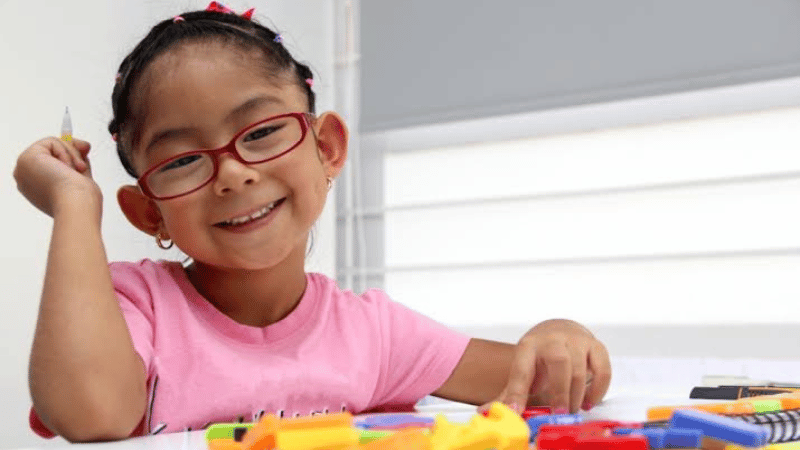
Every child develops at their own pace. However, if your child has difficulty communicating, connecting with others, or shows repetitive behaviours, it may be worth discussing their development with a doctor.
Autism Spectrum Disorder (ASD) is a neurodevelopmental condition that affects how a person communicates, interacts socially, learns and experiences the world. Recognising developmental differences early can help families access appropriate support.
What Are the Early Signs of Autism?
Autism can present differently in every child. Some signs parents may notice include:
• Limited social communication: Inconsistent response to their name, limited use of gestures, or difficulty sharing interests with others.
• Speech and language differences: Delayed speech, limited babbling, or difficulty using words and gestures to communicate.
• Repetitive behaviours: Repeatedly arranging toys, hand-flapping, or repeating movements or phrases.
• Preference for routines: Becoming distressed by changes in familiar routines or activities.
• Sensory differences: Unusual sensitivity to sounds, textures, lights or certain everyday sensations.
One sign alone does not confirm autism. If you notice several signs or have concerns about your child's development, seek a professional assessment.
When Should Parents Seek an Assessment?
Pay attention to your child's developmental milestones.
• By 9–12 months: Notice whether your baby responds to their name, babbles and engages in social interaction.
• By around 18 months: Look for gestures such as pointing, imitation and attempts to communicate.
• By around 24 months: Discuss concerns if your child is not using two-word phrases or has difficulty communicating.
These are examples, not a checklist for diagnosing autism. Children develop differently, and concerns at any age deserve attention.
Important: If your child loses speech, social interaction or other skills they previously had, seek prompt medical evaluation. Do not wait for the next routine check-up.
What Should You Do If You Suspect Autism?
1. Speak to your doctor
Share your observations about communication, play, behaviour and developmental milestones. Your doctor may recommend developmental screening and referral for a comprehensive assessment.
2. Start appropriate support early
Speech and language therapy, occupational therapy, developmental interventions and other individualised supports may help address your child's needs. Support can begin when developmental concerns are identified; do not unnecessarily delay seeking help while waiting for a formal diagnosis.
3. Support communication at home
Use short, simple sentences, follow your child's interests during play, introduce visual schedules when helpful and celebrate small steps in communication and independence.
4. Work with your child's support team
Follow up regularly with the professionals involved in your child's care. Home practice and coordination between family, therapists and school can help reinforce useful skills.
Avoid forcing eye contact, punishing repetitive behaviours or exposing your child to overwhelming sensory situations. Support should be respectful of your child's individual needs.
Can Autism Be Prevented or Cured?
Autism is not caused by poor parenting. Extensive scientific evidence shows that vaccines do not cause autism.
There is no single treatment that suits every autistic child. Appropriate developmental support, therapies and educational accommodations can help children build communication, daily living and social skills. The goal is to support each child's well-being, strengths, participation and independence.
Frequently Asked Questions
1. At what age can autism be identified?
Signs may become noticeable during early childhood, and a trained professional may be able to diagnose autism by around two years of age. Some children are identified later.
2. Does delayed speech always mean autism?
No. Speech delay can have several causes, including hearing difficulties and language-development differences. A professional assessment can help identify the appropriate next steps.
3. Can a child with autism attend a regular school?
Some autistic children attend mainstream schools with appropriate support, while others benefit from different educational settings. The best approach depends on the child's individual strengths and needs.
4. Does every child with autism need the same therapy?
No. Support should be individualised according to the child's communication, sensory, learning and daily living needs. Progress and goals should be reviewed regularly.
5. Should parents wait for a diagnosis before seeking help?
No. If you are concerned about your child's development, consult your doctor promptly. Developmental support may begin while further assessment is underway.
Final Thoughts
Autism is not a parenting failure or a reason to lose hope. Every child has individual strengths, needs and ways of communicating. Recognising developmental differences early and seeking appropriate support can help families understand their child and plan the next steps.
If you have concerns about your child's speech, behaviour or developmental milestones, consult Dr. Balachandra B V at Chirayu Multispeciality Clinic, Kasturi Nagar, Bangalore, for a professional evaluation and guidance on the next steps.



Add a Comment