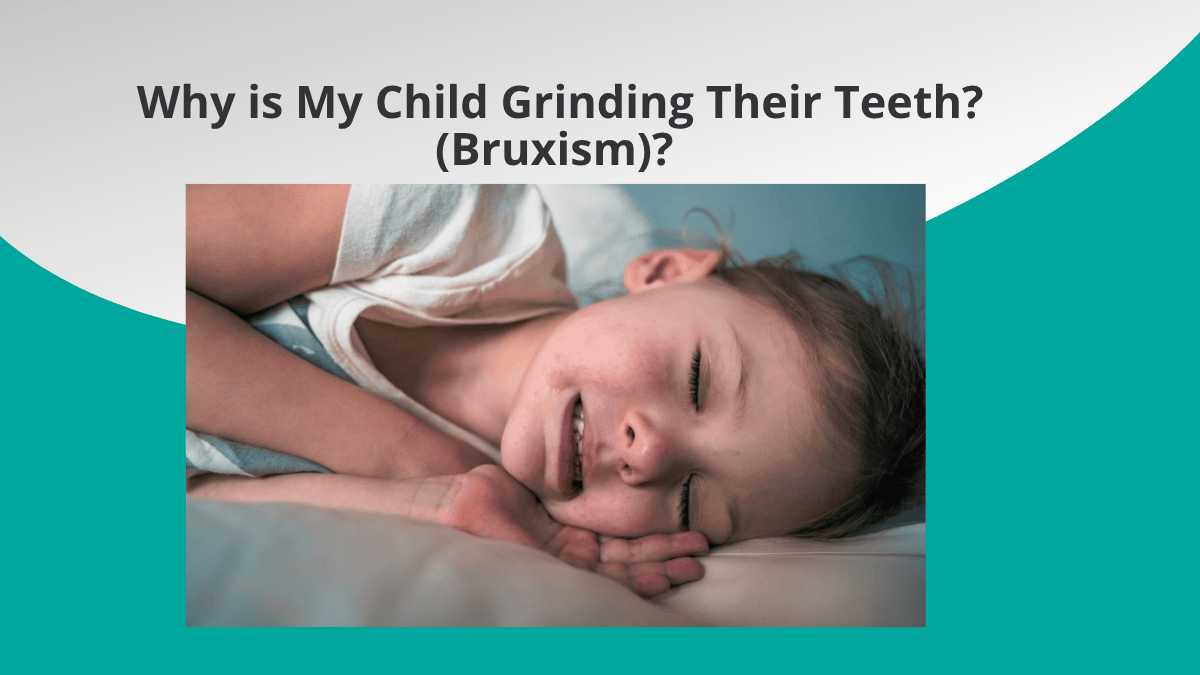
Teeth grinding in sleep (bruxism) is a common concern among parents, especially in children aged 3 to 10 years. If you’ve ever heard that disturbing “grating” sound at night, you’re not alone nearly 30% of children experience teeth bruxism at some stage.
Hello! I am Dr. Balachandra. Let’s explore the causes of teeth grinding (bruxism) in children and the appropriate ways to address this condition.
What is Bruxism?
Bruxism refers to teeth grinding or teeth biting in sleep, often occurring during deep sleep. Most children are unaware of it, and in many cases, it resolves naturally as they grow.
Important: Teeth grinding is NOT caused by intestinal worms—this is a common myth.
Why Do Children Grind Their Teeth?
- Understanding the root cause helps in choosing the right bruxism treatment.
Jaw Growth & Tooth Development
- As children transition from baby teeth to permanent teeth, their bite may feel uneven, leading to involuntary grinding.
Ear Pain or Teething Discomfort:
- Children may grind to relieve pressure from earaches or erupting teeth.
Breathing Issues:
- Kids with mouth breathing, snoring, allergies, or enlarged adenoids are more prone to grinding.
Stress or Emotional Triggers:
- Even small changes—school pressure, new routines—can lead to teeth bruxism at night.
Dental Alignment Issues:
- Improper bite alignment may require evaluation by a pediatric dental specialist.
What NOT to Do:
- Don’t panic – Most cases don’t cause permanent damage
- Don’t scold your child – They are unaware of the habit
- Don’t ignore pain – Jaw pain or headaches need attention
What TO Do (Practical Remedies):
- Check for Underlying Causes: Look for signs like ear pain, blocked nose, or discomfort.
- Improve Breathing: Treat allergies or nasal congestion to reduce teeth grinding in sleep.
- Manage Stress: Talk to your child about their day—emotional relief reduces night-time clenching.
- Dental Check-Up: A dentist can assess if a dental splint for bruxism or alignment correction is needed.
Effective Teeth Grinding Remedies (Bedtime Routine):
- The "Power Down"Hour : Avoid screens at least 1 hour before bed—blue light overstimulates the brain.
- Relaxation Routine : Reading, storytelling, or a warm bath helps calm jaw muscles.
- Talk It Out : Let your child share their thoughts—this reduces stress-related teeth biting in sleep.
- Hydration : Ensure proper water intake; dehydration can trigger muscle activity.
When Do You Need Treatment?
- If symptoms persist, a dentist may recommend:
- Bruxism mouthguard (night guard)
- Bite correction therapies
- Addressing airway or allergy issues
Choosing the best night guard for teeth grinding depends on your child’s age and dental condition—always consult a specialist.
Mind Ticklers (For Parents)
- Does your child grind more during a cold or blocked nose?
- Do they wake up tired despite full sleep?
- Is grinding worse on stressful days?
Final Thoughts:
Bruxism in children is usually a phase, not a problem. With the right observation, simple lifestyle changes, and timely dental care, you can manage it effectively.
📍 If you're looking for a Pediatric Specialist in Kasturi Nagar, Bangalore, consult a trusted clinic like Chirayu Mult-Speciality Clinic for expert guidance on bruxism treatment and child dental care.
FAQs:
Is teeth grinding harmful in children?
Most cases are harmless and temporary, but persistent grinding can wear down teeth.
What is the best treatment for bruxism in kids?
Treatment depends on the cause—stress management, dental correction, or a bruxism mouthguard may be used.
Can allergies cause teeth grinding?
Yes, breathing issues from allergies or blocked nose are strongly linked to teeth grinding in sleep.
Do all children need a dental splint for bruxism?
No, only children with severe grinding or tooth damage may need a dental splint for bruxism.
When should I see a doctor?
If your child has jaw pain, headaches, disturbed sleep, or loud grinding regularly, consult a specialist.




Add a Comment