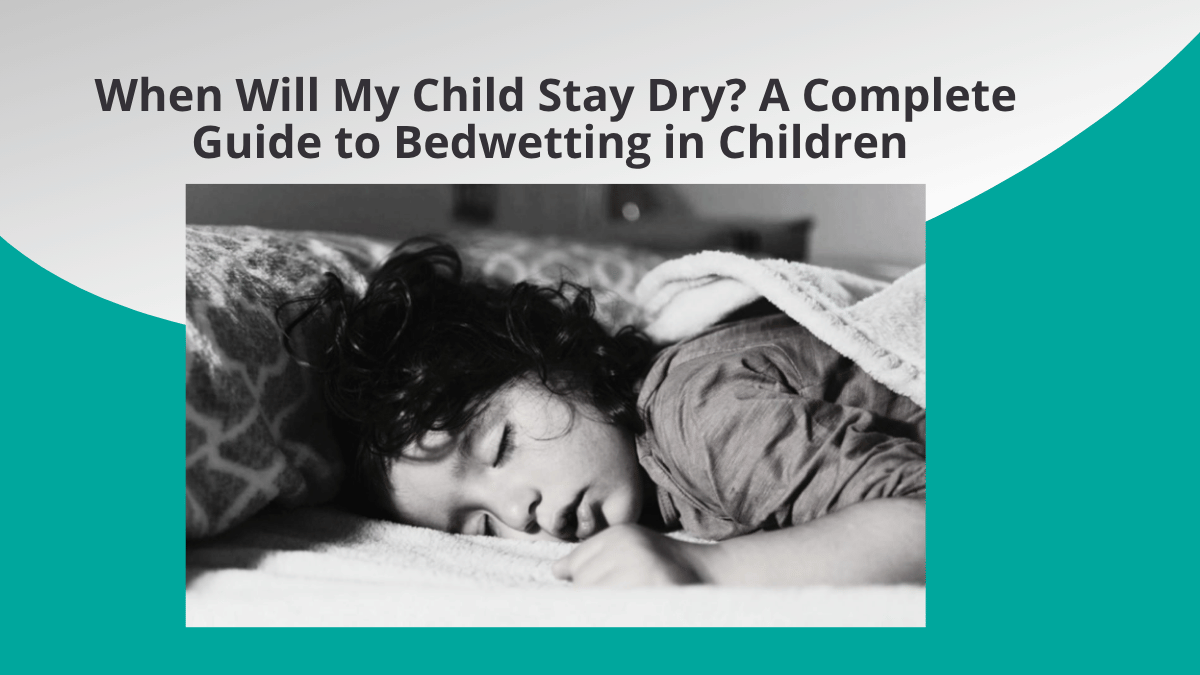
Hello, I am Dr. Balachandra. Many parents feel worried when their school-going child continues wetting the bed at night. This condition is called Nocturnal Enuresis or bedwetting in children, and it is more common than you think.
The important thing to understand is this:
Childhood enuresis is not laziness or misbehavior. It simply means the brain and bladder are still learning to coordinate during deep sleep.
Understanding Bedwetting Milestones:
Most children:
- Gain daytime bladder control by 3–4 years
- Achieve night dryness later, often by 5–6 years
👉 We usually evaluate bed wetting during sleep only after age 5.
Causes of Nocturnal Enuresis:
Understanding the reason for bed wetting helps in choosing the right Nocturnal Enuresis treatment.
Common Causes of Nocturnal Enuresis:
- Deep sleep (child doesn’t wake to bladder signals)
- High urine production at night
- Small bladder capacity
- Constipation (presses on bladder)
- Sleep disorders (snoring, mouth breathing)
- Family history (genetic link)
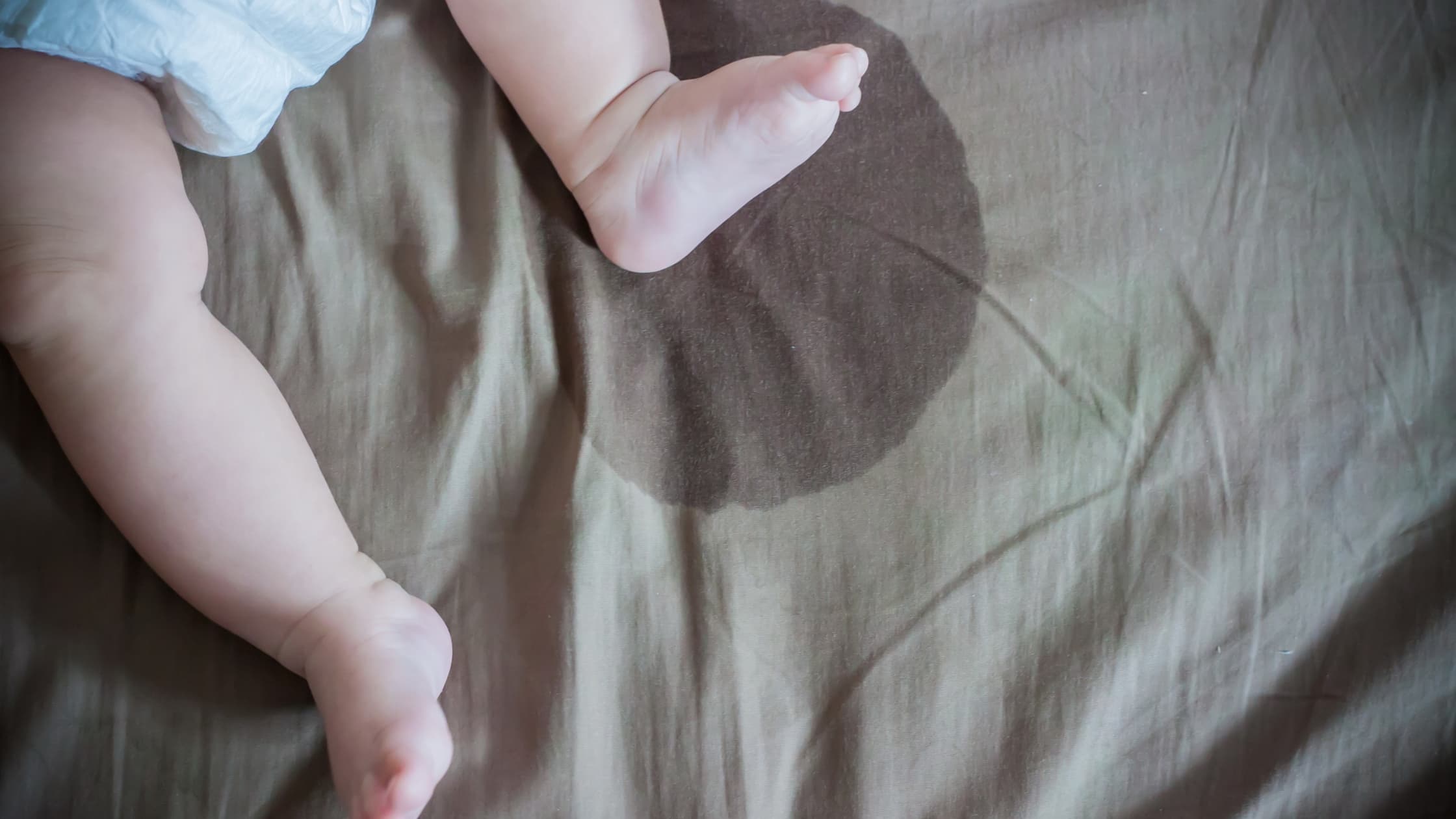
If your child is above 5 years, follow this structured routine:
Fluid Timing:
Reduce fluids after 6 PM. Encourage hydration earlier in the day.
Early Dinner:
Avoid bladder irritants at night:
- Chocolate
- Citrus fruits
- Spicy foods
These can worsen bedwetting in children.
The “Double Void” Technique:
Ask your child to urinate:
- At the start of bedtime routine
- Again, just before sleeping
The “Night Walk” Method
Wake your child at 2–3 AM and ensure they:
- Walk to the bathroom
- Stay awake during urination
This helps train the brain-bladder connection.
Check for Constipation:
Constipation is a hidden cause of childhood enuresis.
Ensure:
- Daily bowel movement
- Fiber-rich diet
Advanced Bedwetting Treatments:
If routine changes don’t help, consider:
- Nocturnal Enuresis treatment with medical evaluation
- Urine tests to rule out infection
- Bedwetting alarms
- Hypnotherapy for bedwetting (in select cases for older children)
When should you see a doctor?
Consult a specialist if:
- Child is above 5–6 years and still wetting regularly
- Daytime accidents occur
- Pain, burning, or excessive thirst is present
- Snoring or breathing issues during sleep
Bedwetting in children is a developmental phase, not a disorder in most cases. With patience, structured routines, and the right guidance, your child will outgrow it.
For expert care and personalized Nocturnal Enuresis treatment, visit a leading Chirayu Multispeciality Clinic - pediatric hospital in Kasturi Nagar, Bangalore.
Dr. Balachandra’s Mind Ticklers
Why should the child walk to the toilet instead of being carried?
👉 It builds awareness and brain training
Is bedwetting worse when your child is constipated?
👉 This is a key clue
Does your child snore or breathe through the mouth?
👉 Could indicate sleep-related causes
FAQs:
What is the main reason for bed wetting in children?
👉 The most common cause is delayed brain-bladder coordination during deep sleep.
At what age should bedwetting stop?
👉 Most children stop by age 5–6. Persistent Nocturnal Enuresis after this may need evaluation.
Is bedwetting during sleep normal?
👉 Yes, especially under age 5. It becomes a concern only if it continues beyond that.
What is the best treatment for nocturnal enuresis?
👉 Behavioural routines, bladder training, and in some cases medical or hypnotherapy for bedwetting.
Can constipation cause bedwetting?
👉 Yes, constipation reduces bladder capacity and is a common hidden cause.




Add a Comment