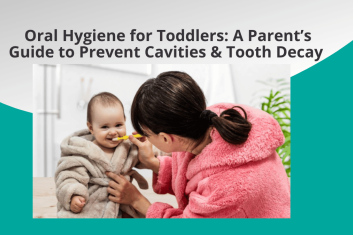
Hello! I am Dr. Balachandra. It’s wonderful to see you again. One of the most common questions parents ask is about oral hygiene in young children—and rightly so! Many believe, “These are just milk teeth, they will fall out anyway.” But the truth is: healthy baby teeth are the foundation for strong adult teeth and overall health.
Let’s simplify this journey so you can confidently prevent cavities and tooth decay in your child.
 The Golden Rule – “If You See a Tooth, Brush It!”
As soon as the first tooth appears (around 6 months), start toothbrushing.
Why so early?
Even milk teeth are vulnerable to cavities and tooth decay due to sugars in milk and food. Poor oral hygiene can lead to early dental problems requiring tooth decay treatment, even in toddlers.
Healthy milk teeth help in:
- Proper chewing and nutrition
- Clear speech development
- Guiding permanent teeth into correct position
Choosing the Right Tools:
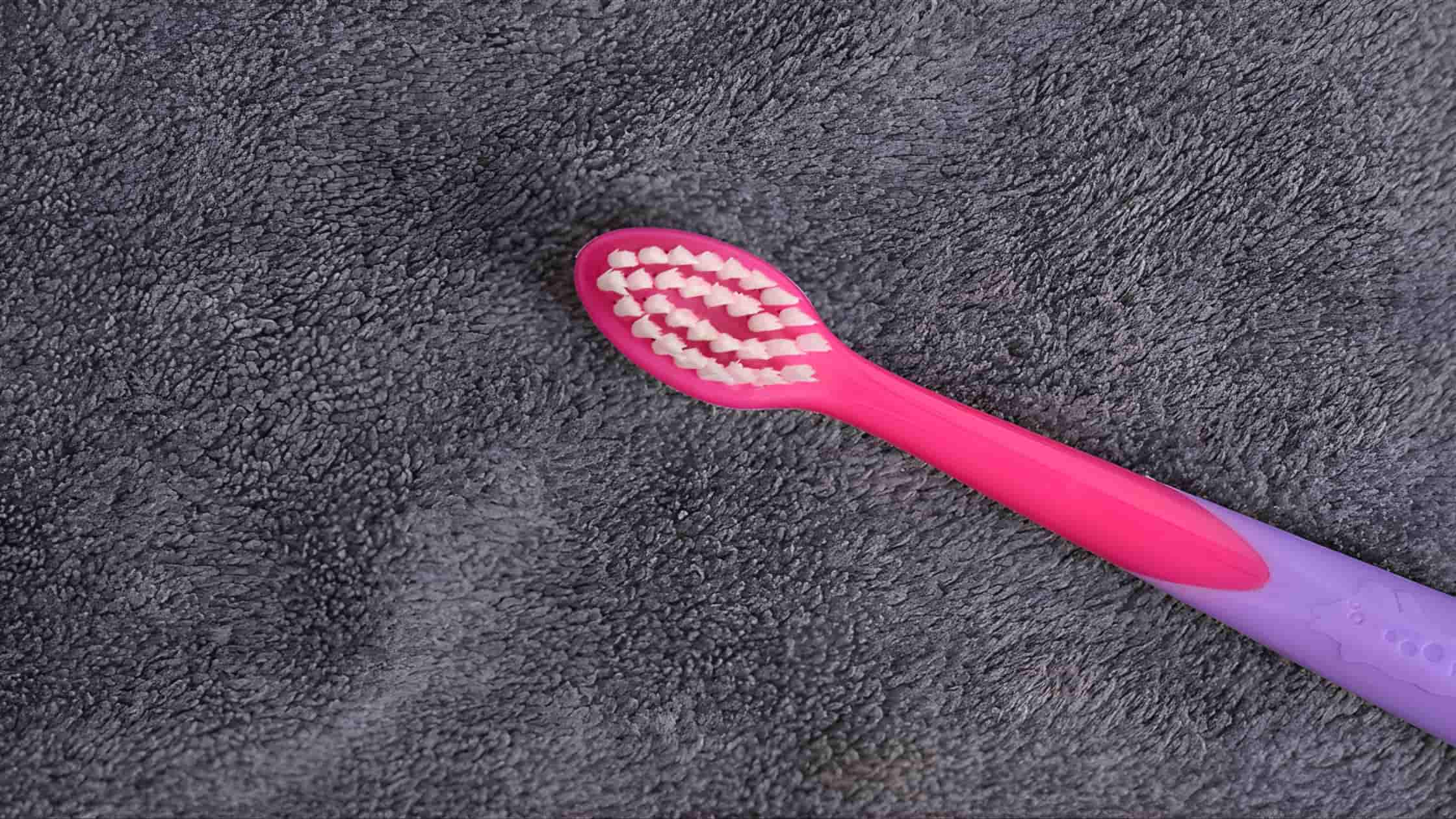
The Brush:
- Use a small-headed, soft-bristled toothbrush designed for infants.
The Paste: For a 1-year-old:
- Use a fluoride toothpaste (rice-sized amount)
- Safe even if swallowed
👉 This small amount helps prevent tooth decay while ensuring safety.
How to Brush (Easy Technique for Parents):
The Position:
- Sit and place your child’s head on your lap
- Or stand behind them in front of a mirror
The Motion:
- Use gentle circular movements
- Clean all surfaces: front, back, and chewing areas
The Routine:
- Brush twice daily
- Most important: before bedtime
- After brushing at night → only water (no milk/juice)
Make Toothbrushing Fun:
Children resist what they don’t enjoy. Make oral hygiene engaging:
- Sing a brushing song (2 minutes)
- Let your child “try” brushing first
- Be a role model—brush together
👉 Positive habits now prevent future tooth decay treatment needs.
The “Healthy Smile” Flow
First Tooth → Start Toothbrushing → Maintain Oral Hygiene → Prevent Cavities → Healthy Adult Teeth
Why Oral Hygiene Matters:
Ignoring early dental care can lead to:
- Painful cavities
- Difficulty eating
- Sleep disturbances
- Costly dental procedures
Good oral hygiene habits reduce the need for invasive tooth decay treatment later.
When Should You Visit a Dentist?
- First dental visit by 1 year of age
- If you notice:
- White or brown spots (early cavities)
- Bad breath
- Pain or sensitivity
For expert care, consult Pediatric Specialists in Kasturi Nagar, Bangalore, who provide child-friendly dental guidance and preventive care.
Dr. Balachandra’s Mind Ticklers:
- If milk stays on teeth overnight, bacteria convert sugars into acid → leading to tooth decay
- Why only rice-sized toothpaste? → To prevent swallowing excess fluoride while still protecting against cavities
Final Thoughts:
Building strong oral hygiene habits early is one of the best gifts you can give your child. With the right toothbrushing routine, proper tools, and regular check-ups, you can prevent cavities and tooth decay effectively.
Looking for expert guidance? Visit Pediatric Specialists in Kasturi Nagar, Bangalore – Chirayu Multi-Speciality for trusted, child-friendly dental care.
FAQs:
When should I start brushing my baby’s teeth?
Ans: Start as soon as the first tooth appears—early toothbrushing prevents cavities.
Can milk teeth really get cavities?
Ans: Yes, milk teeth are highly prone to tooth decay, especially with poor oral hygiene.
How much toothpaste should I use for a toddler?
Ans: Use a rice-sized amount of fluoride toothpaste for safety and protection.
What causes tooth decay in young children?
Ans: Frequent milk intake at night, sugary foods, and poor oral hygiene lead to cavities.
When is tooth decay treatment required?
Ans: If cavities progress, your child may need fillings or other tooth decay treatment—early prevention is key.




Add a Comment