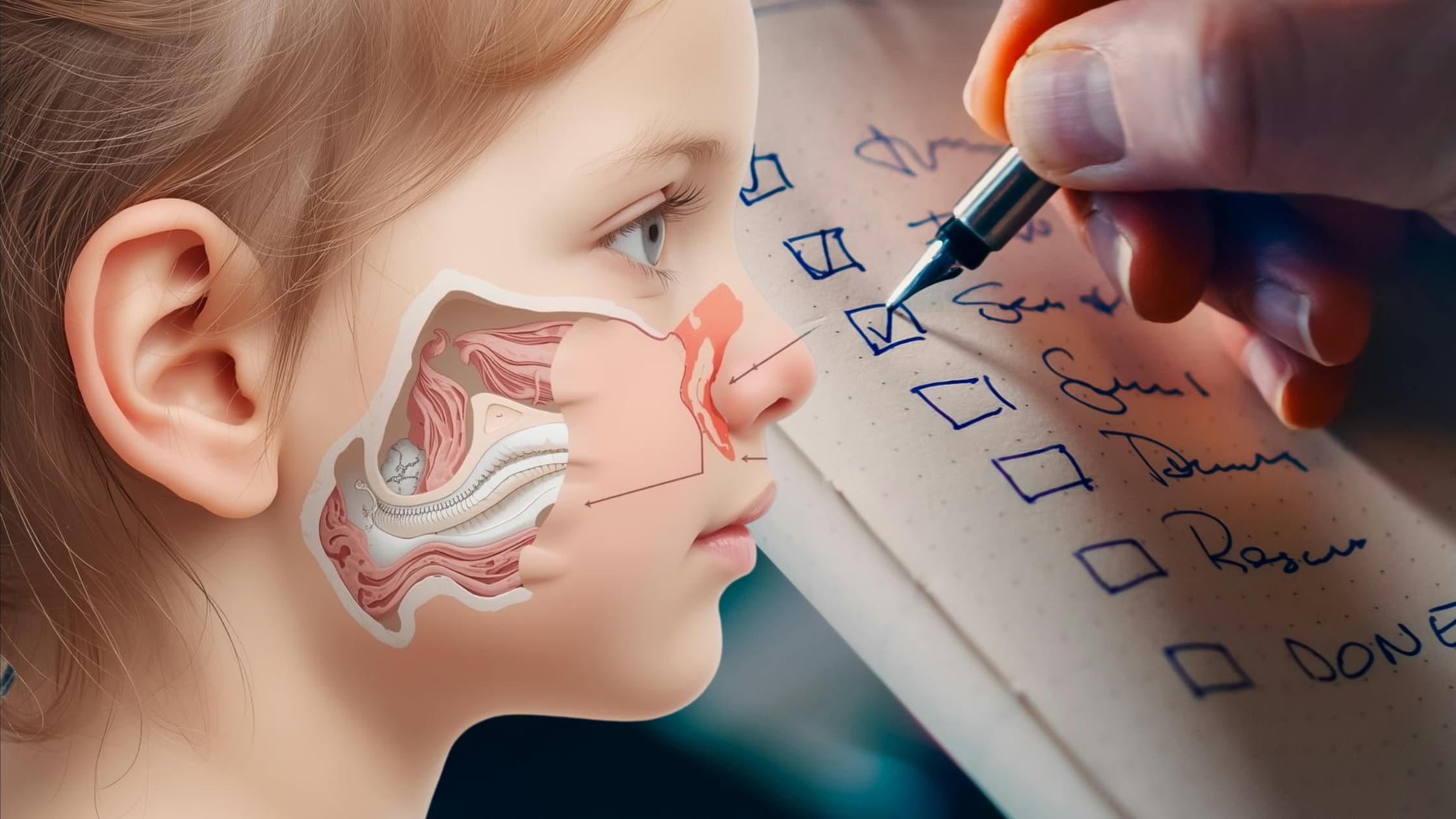
Hello! I am Dr. Balachandra. When your child is being treated for Adenoid Hypertrophy, improvement does not happen overnight—but small changes week by week tell us a lot.
To make things easier, I have created this Weekly Adenoid Progress Tracker. It helps parents observe key signs at home and understand whether your child’s breathing, sleep, and overall well-being are improving.
The Daytime Check (Mouth & Nose):
During the day, your child’s breathing pattern gives the first clue.
- Is my child breathing through their nose more often while playing or watching TV?
- Is their mouth staying closed more often during the day?
- Is their mouth less dry than it was last week?
- Are they clearing their nose easily without a “sniffing” sound?
👉 Improvement here means the airway is becoming less blocked.
The Night-Time Check (Sleep Quality):
Night-time is the most important indicator of recovery.
- Has the snoring become quieter or less frequent?
- Is my child sleeping peacefully without tossing and turning?
- Did my child sleep through the night without waking up gasping for air?
👉 Better sleep = better oxygen flow = better brain rest.
The Mood & School Check (Brain Energy):
Good breathing leads to a well-rested brain.
- Does my child seem more energetic and less “foggy” during the day?
- Is their mood better (less irritability or crankiness)?
- Have they been able to focus better on schoolwork or reading?
👉 These are powerful signs that your child is improving internally.
How to Use This Tracker Effectively:
- Check once a week (same day each week)
- Compare with previous week
- Look for gradual improvement—not perfection
👉 Even 2–3 improvements per week is a good sign.
When Should You Be Concerned?
If you notice:
- No improvement over 2–3 weeks
- Persistent loud snoring
- Mouth breathing continues all day
- Poor sleep or daytime tiredness
- It’s time to consult a specialist for further evaluation.
Why This Tracker Matters:
Parents often ask, “Is my child getting better?”
This tracker helps you:
- Objectively measure progress
- Avoid guesswork
- Share clear updates with your doctor
Final Thoughts:
Managing adenoids is a journey. With the right treatment and consistent observation, your child can breathe better, sleep better, and perform better in daily life.
👉 Small weekly improvements = Big long-term results




Add a Comment