Hello! I am Dr. Balachandra,
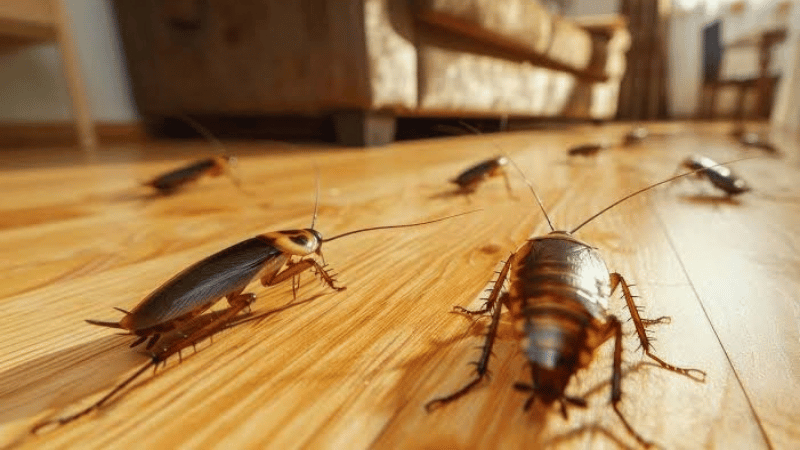
When parents notice repeated sneezing, nasal blockage, coughing or wheezing at home, they often think about dust, pollen or pets. But there is another indoor allergen that is easy to overlook: cockroach allergens.
Cockroach particles can trigger allergic rhinitis and, in sensitized people, can contribute to asthma symptoms.
What Causes Cockroach Allergy?
The allergy is not simply caused by seeing a cockroach.
Allergens can come from cockroach droppings, body particles and other material left behind by cockroaches. These particles can become part of household dust and may be inhaled.
You may therefore be exposed even if you don't regularly see cockroaches.
In fact, the American Academy of Allergy, Asthma & Immunology notes that cockroach allergen can sometimes be found in homes even when residents have not noticed cockroaches.
Can Cockroaches Trigger Asthma?
Yes, particularly in people who are sensitized to cockroach allergens.
Exposure has been associated with increased asthma morbidity, especially in children with asthma. Studies reviewed by AAAAI found that children who were both sensitized and exposed to higher levels of cockroach allergens had more asthma-related healthcare visits and other asthma problems.
Symptoms can include:
• Sneezing and runny nose
• Nasal blockage
• Itchy or watery eyes
• Cough
• Wheezing
• Chest tightness
• Shortness of breath
How Can You Reduce Cockroach Exposure?
The goal is to reduce both cockroaches and the allergens they leave behind.
• Keep food in sealed containers.
• Clean food crumbs and spills promptly.
• Keep kitchen and dining areas clean and dry.
• Fix leaks and reduce sources of moisture.
• Seal cracks and possible entry points.
• Dispose of household waste regularly.
• Address an infestation with appropriate pest-control measures.
If you have asthma, avoid unnecessary exposure to strong chemical sprays during pest control. Professional pest management can be particularly useful for persistent infestations.
Do You Need an Allergy Test?
If your symptoms repeatedly occur at home or your asthma is difficult to control, your doctor may consider whether indoor allergens are contributing.
Skin-prick testing or a blood test for cockroach-specific IgE can help determine whether you are sensitized to cockroach allergens.
However, a positive allergy test should always be interpreted together with your symptoms and exposure history.
Frequently Asked Questions
Can cockroaches cause allergies?
Yes. Cockroach particles can act as indoor allergens and trigger allergic rhinitis and other allergic symptoms in sensitized people.
Can cockroach allergy cause asthma?
Cockroach allergens can trigger or worsen asthma symptoms, particularly in people who are sensitized.
Can I have cockroach allergy without seeing cockroaches?
Yes. Cockroach allergens can remain in household dust even when cockroaches are not frequently seen.
How can I know if I am allergic to cockroaches?
A doctor may use your symptoms and exposure history along with skin-prick testing or cockroach-specific IgE blood testing.
Will getting rid of cockroaches cure my asthma?
Not necessarily. Cockroach exposure may be one of several asthma triggers. Identifying and reducing relevant exposures should be combined with your prescribed asthma treatment plan.
Final Thoughts
Cockroaches are more than an unpleasant household pest for someone with cockroach sensitization or asthma. Their allergens can become part of household dust and may contribute to respiratory symptoms.
If you or your child has recurrent nasal allergies, coughing or asthma symptoms that seem worse at home, consider discussing indoor allergens with an allergy specialist.
For allergy testing, allergic rhinitis, asthma evaluation and guidance on identifying indoor allergy triggers, consult Dr. Balachandra B V, Consultant Pediatrician & Allergy Specialist, Chirayu Multispeciality Clinic, Kasturi Nagar, Bangalore.



Add a Comment