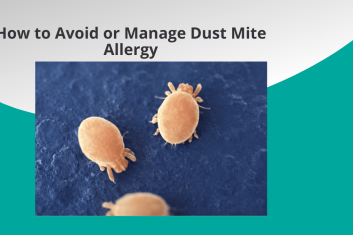
As an allergy specialist, I know that dust mite allergy is a common concern for many families. Dust mites are microscopic creatures living in mattresses, pillows, carpets, and soft furnishings. Even in the cleanest homes, they're present. While it’s impossible to eliminate them completely, following simple steps can help reduce allergic symptoms and medication needs.
Watch my detailed explanation in the video below:
- How to Avoid or Manage Dust Mite Allergy
- Practical Measures to Reduce Dust Mite Allergy
Allergen-Proof Covers:
- Use allergen-proof bedding covers for mattresses, pillows, and blankets; this help prevent direct contact with dust mites.
- Questiion" If special covers are unavailable, use plastic covers beneath bed sheets for a similar effect. Comfort may be less, but it helps.
Regular Bedding Wash:
👉 Wash sheets, pillowcases, blankets, and soft toys in hot water (above 54°C) every week. This kills dust mites and neutralizes allergens. Dry bedding on a hot setting or in sunshine.
Humidity Control:
👉 Keep indoor humidity below 50%. Dust mites love humidity; consider using a dehumidifier. Excessively low humidity can cause dry skin, so balance is key.
Carpet Management:
👉 If possible, remove carpets and use hard flooring. If carpets must stay, vacuum regularly with a HEPA filter.
Household Cleaning:
👉 Clean furniture and floors with a vacuum cleaner (HEPA filter preferred). Dust surfaces and toys with a damp cloth to avoid spreading allergens.
Toys and Pets:
👉 Limit stuffed toys in bedrooms; wash them or freeze them for 24 hours to reduce mites. Bathe pets often and keep them out of sleeping areas.
Immunotherapy:
Allergen Immunotherapy or Allergy Vaccine is the only treatment which may halt or prevent dust mite related allergy diseases, Patients who are tested positive to dust mites and having symptoms of nasal allergy or allergic asthma show significant clinical improvement with allergen immunotherapy, This treatment can help your body tolerate dust mites better.
Conclusion:
Regular implementation of these steps is very important for symptom control. While some medicines may still be needed, reducing exposure can truly make a difference for long-term health and comfort. or a complete guide and visual demonstration, watch my video here: How to Avoid or Manage Dust Mite Allergy
References:
- Dr Balachandra BV, Allergy Central (Video)
- Mayo Clinic: "Dust mite allergy – Diagnosis & treatment"
- Cleveland Clinic: "Dust Mite Allergy: Causes, Symptoms & Treatment"
- Recent pediatric best practices



Add a Comment