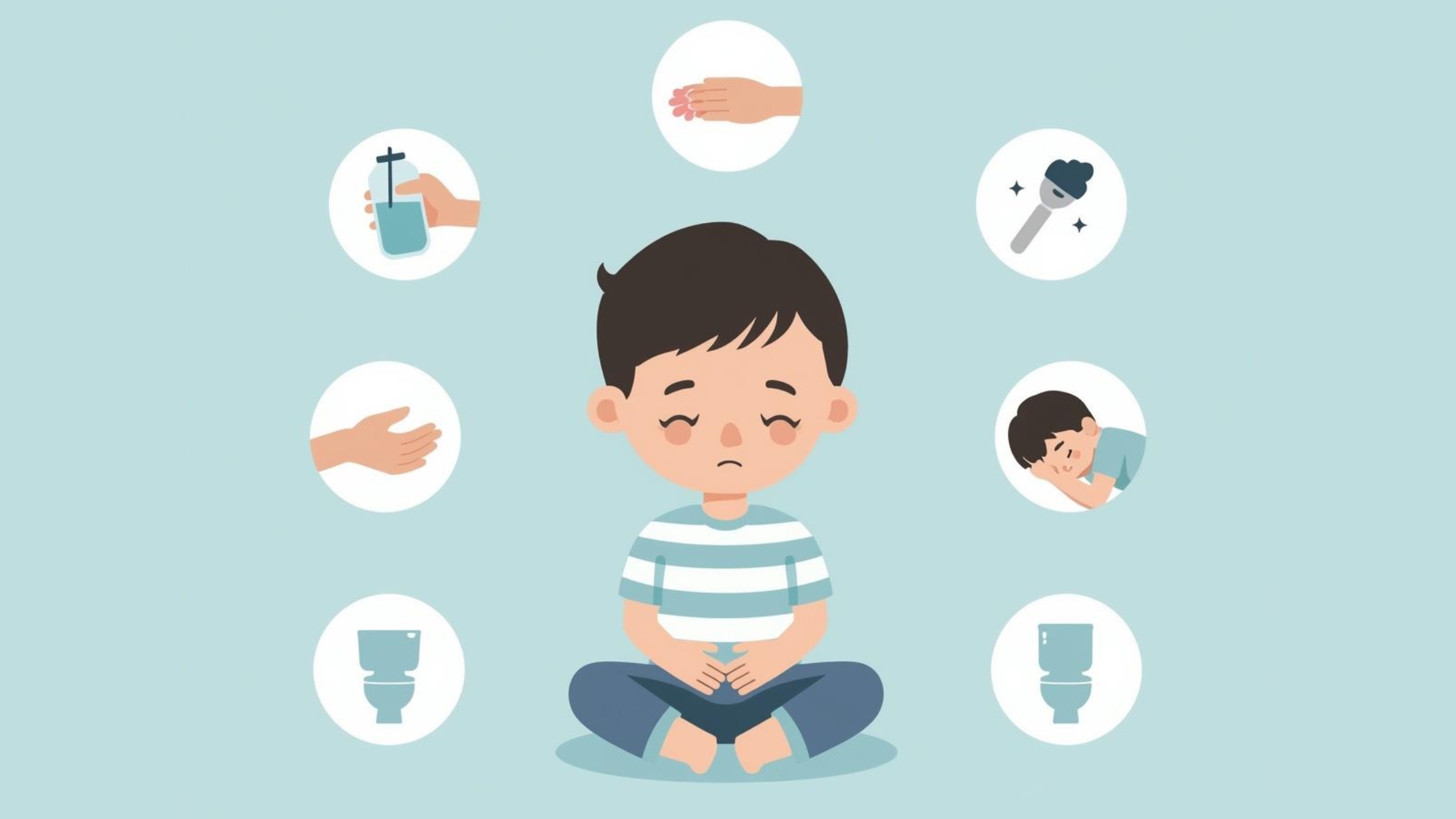
Dehydration is a common but potentially serious condition, especially in children. Recognizing early signs like tiredness, fatigue, and excessive thirst can help you act quickly and prevent complications. This guide will help you identify dehydration at home and understand the right dehydration treatment, including oral rehydration.
The "Fluid Check": 6 Signs of Dehydration - Watch for these warning signs to identify dehydration early:
Drowsiness or Fatigue:
If your child appears unusually tired, weak, or less active than usual, it may indicate fluid loss. Severe fatigue can make them difficult to wake or uninterested in play.
Increased or Reduced Thirst:
In early dehydration, the child may feel extremely thirsty. In advanced cases, they may become too weak to drink—this is a serious sign.
The Skin Pinch Test:
Gently pinch the skin on the tummy or hand:
- Normal: Skin returns immediately
- Dehydration: Skin returns slowly or stays raised
👉This is a quick and useful home test.
Sunken Eyes:
Look for:
- Dull or dry eyes
- "Hollow" appearance
👉In babies, check the soft spot (fontanelle) on the head—it may appear sunken.
Dry Mouth & Tongue:
A dehydrated child may have:
- Dry lips
- Sticky or dry tongue
- Lack of saliva
Decreased Urine Output:
This is a major warning sign:
- No urine for 6–8 hours
- Dark yellow urine
- Reduced quantity
👉 Indicates the body is low on fluids and needs immediate attention
Immediate Dehydration Treatment at Home:
Oral Rehydration is Key:
Start oral rehydration as soon as symptoms appear.
- Use oral rehydration salt (ORS) solution
- Give small, frequent sips
- Continue breastfeeding or regular feeding
ORS helps restore:
- Fluids
- Electrolytes
- Energy levels
👉 It is the safest and most effective first-line dehydration treatment.
When to Visit the Clinic:
Do not delay medical care if your child:
- Is extremely tired or lethargic
- Refuses to drink fluids
- Has persistent vomiting or diarrhea
- Shows severe dehydration signs
👉Visit trusted pediatric specialists at Chirayu Multispeciality Clinic for prompt evaluation and treatment.
Final Thoughts:
Dehydration can progress quickly, but early detection and timely oral rehydration can prevent serious complications. Always watch for signs like fatigue, thirst, and reduced urine output, and act promptly.
For expert care and guidance, consult pediatric specialists in Kasturi Nagar, Bangalore at Chirayu Multispeciality Clinic to ensure your child’s safety and recovery.




Add a Comment