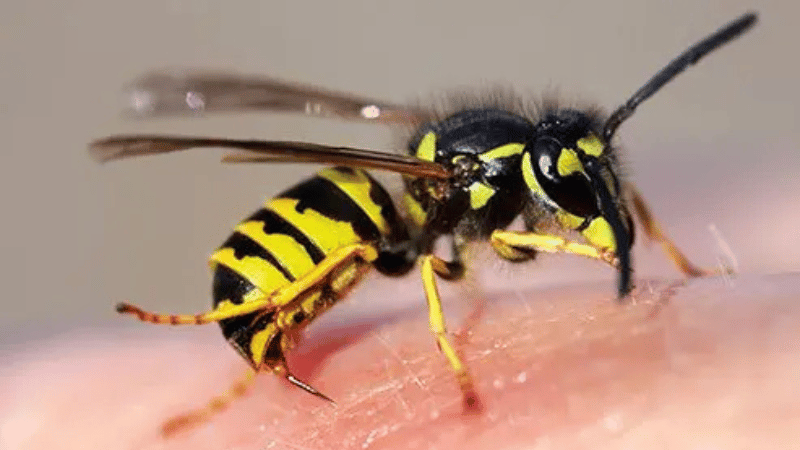
A bee or wasp sting can cause pain, redness and swelling at the site. For most people, this is a temporary local reaction. But in someone with a venom allergy, a sting can trigger anaphylaxis, a potentially life-threatening allergic reaction.
When Is a Sting an Emergency?
Seek immediate emergency medical care if symptoms develop beyond the sting site, especially:
• Widespread hives or intense itching
• Swelling of the lips, tongue or throat
• Difficulty breathing, wheezing or persistent cough
• Trouble swallowing or a hoarse voice
• Dizziness, fainting or unusual weakness
• Severe abdominal pain, vomiting or diarrhoea
• Collapse or loss of consciousness
Anaphylaxis can progress quickly, and skin symptoms may sometimes be absent.
What Should You Do?
If a person with a known venom allergy develops symptoms of anaphylaxis after a sting, use their prescribed epinephrine promptly according to their emergency plan and seek emergency medical care. Epinephrine is the first-line treatment for anaphylaxis.
In India, 112 is the government’s unified emergency number for medical and other emergencies.
If a stinger remains in the skin, remove it promptly without squeezing the venom sac. For a simple local reaction, a cold compress can help reduce pain and swelling.
Can Another Sting Be Prevented?
If you have experienced a serious reaction to a bee, wasp or other stinging insect, an allergy specialist can evaluate you with the appropriate history and venom-specific testing. Venom immunotherapy may be considered for people with confirmed venom allergy and can substantially reduce the risk from future stings.
FAQs
1. Is swelling after a bee sting always an allergy?
No. Pain, redness and swelling limited to the sting area are common local reactions.
2. Can a bee or wasp sting cause anaphylaxis?
Yes. Venom from bees, wasps, hornets and other stinging insects can cause anaphylaxis in sensitised individuals.
3. Can anaphylaxis happen without hives?
Yes. Some people with anaphylaxis may have no skin symptoms.
4. Should someone with a previous severe sting reaction carry epinephrine?
People diagnosed with a significant venom allergy may be prescribed epinephrine and should know when and how to use it.
5. Can insect sting allergy be treated?
Yes. Specialist evaluation can identify venom allergy and determine whether venom immunotherapy is appropriate.
Final Thoughts
Not every bee or wasp sting is an emergency—but breathing difficulty, throat swelling, dizziness, widespread hives or other symptoms affecting multiple parts of the body should never be ignored.
If you or your child has experienced a significant reaction after an insect sting, consult an allergy specialist for proper evaluation and a personalised emergency plan.
For allergy evaluation and personalised care, consult Dr. Balachandra B V at Chirayu Multispeciality Clinic, Kasturi Nagar, Bangalore.




Add a Comment