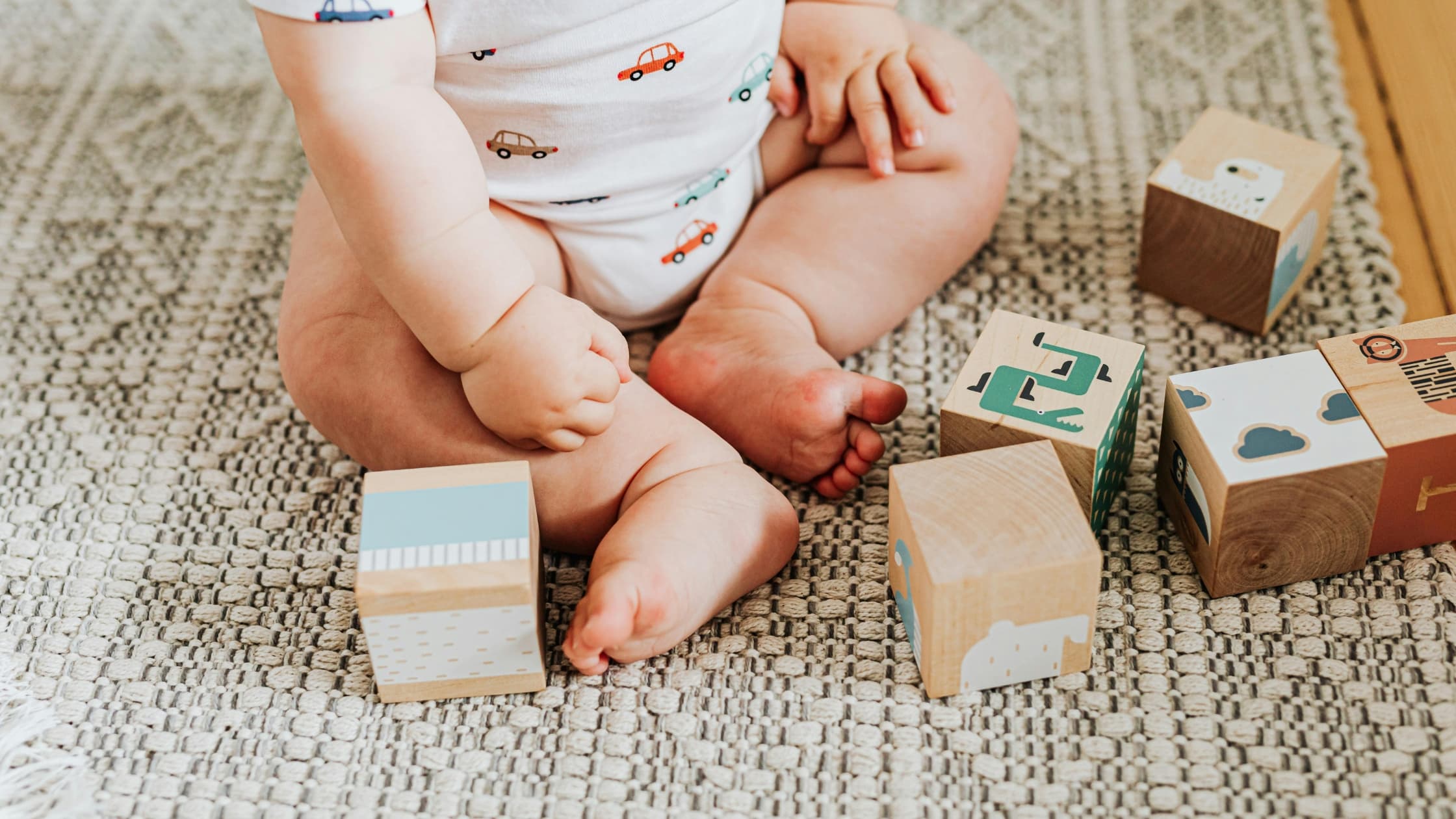
Reaching your child’s 1st birthday is a beautiful milestone—but it also marks the beginning of an energetic, curious, and sometimes challenging phase. Between ages 1 to 3 years, toddlers become explorers, making safety, feeding, and routine extremely important.
Let’s guide you through this stage with practical, parent-friendly advice.
Toddler-Proofing: Safety First for Your Little Explorer:
Once your child starts walking, curiosity increases—but judgment is still developing.
Essential Safety Measures:
- Install a baby gate for stairs to prevent falls
- Secure furniture and cover electrical outlets
- Keep harmful objects out of reach
Prevent Choking Risks:
- Avoid small objects like coins, buttons, and tiny baby toys
- Cut food into small pieces (grapes, nuts, carrots)
- Always supervise while eating
👉 Choking is one of the most common preventable risks in toddlers.
Feeding & Nutrition: Building Healthy Habits:
Your toddler’s relationship with food starts now.
The 4-Hour Feeding Rule:
Maintain structured feeding intervals:
- 8:00 AM – Breakfast
- 12:00 PM – Lunch
- 4:00 PM – Snack
- 8:00 PM – Dinner
This helps:
- Improve digestion
- Build appetite
- Avoid constant snacking
Solids First, Milk Later:
Always offer solid food first.
Milk should come after meals to ensure proper nutrition.
Balanced Diet:
- Include fruits, vegetables, pulses, and grains
- Avoid junk food and sugary snacks
- Prefer home-cooked meals
👉 A healthy feeding routine supports growth and immunity.
Sleep & Breaking the Midnight Feeding Habit:
Many toddlers wake up at night—but this is often habit, not hunger.
What Parents Should Do:
- Stop midnight feeding after 1 year
- Brush teeth after the last meal
- Avoid giving milk during sleep
👉 Night feeding can lead to tooth decay (nursing caries).
Comfort vs Hunger:
If your child wakes up:
- Gently pat or soothe
- Avoid feeding as a sleep habit
Within a few days, your child will adjust.
Growth & Development: Understanding the Plateau:
Parents often worry about slower weight gain after 1 year.
Reality Check:
- Growth slows naturally
- Increased activity burns more calories
👉 This is completely normal.
Brain Development & Play:

Avoid screens completely under 2 years.
Encourage:
- Physical books
- Safe baby toys
- Outdoor play
These activities:
- Improve motor skills
- Boost cognitive development
Doctor’s Checklist for Parents:
- Complete vaccination schedules
- Encourage positive behavior (avoid punishment)
- Start potty training (18–24 months readiness)
👉 For expert guidance, consult pediatric specialists in Kasturi Nagar, Bangalore at Chirayu Multispeciality Clinic for personalized toddler care.
Are baby gates necessary for toddlers?
Yes, using a baby gate for stairs is essential for preventing accidents.

Final Thoughts:
The toddler phase is full of learning, movement, and independence. By focusing on safety, structured feeding, and healthy routines, you can ensure your child grows confidently and safely.
Need expert help? Visit pediatric specialists in Kasturi Nagar, Bangalore at Chirayu Multispeciality Clinic for trusted guidance on toddler growth and development.




Add a Comment