Allergic rhinitis is the most prevalent allergic condition in India, and in Agra and across the Braj region of Uttar Pradesh, the allergen environment that drives it has a specific character shaped by the agricultural and climatic pattern of this part of North India. My MS in Otorhinolaryngology, combined with my FAAI, Fellowship in Allergy, Asthma and Immunology, provides the diagnostic and management framework I apply to every patient presenting with allergic rhinitis and related airway allergic conditions at Trinity ENT Care Centre, Sikandra, Agra. The FAAI, as I explain in the profile FAQ on this credential, goes beyond a specialist allergy course to encompass the full scope of clinical immunology, including component-resolved diagnostics, primary immunodeficiency evaluation, and the more complex end of allergen immunotherapy decision-making that is relevant when a patient's allergy testing returns multiple sensitisations and the clinical question is which are driving the disease and which require treatment. For patients in Agra with recurring nasal symptoms, recurrent sinusitis, or breathing symptoms that connect to an environmental pattern, the fellowship-level allergy assessment at Trinity ENT Care Centre is the evaluation that establishes the specific driver rather than presuming it.
Agra's Allergen Calendar: What Sensitises People Here and Why It Matters Clinically
The allergen profile in Agra and the Mathura-Agra-Firozabad belt of western Uttar Pradesh reflects the agricultural dominance of this region and the specific climatic patterns of the North Indian plains. Wheat pollen, released during the spring harvest season from late February through April, is a potent and clinically significant sensitiser in this agricultural belt: children and adults who develop rhinitis and bronchospasm consistently in the spring months, who sneeze and wheeze during the wheat harvest season when pollen counts are highest, are very likely sensitised to wheat pollen specifically, and this is an allergen that is less significant in the South Indian allergen panels that many commercial allergy test kits are calibrated for. Mustard pollen, from the Brassica species cultivated widely across the Agra region in the winter crop cycle from November through February, is a second important seasonal pollen sensitiser. House dust mite, the year-round dominant indoor allergen throughout India, is prevalent in Agra's indoor environments across all seasons, producing the perennial pattern of symptoms that are worst in the morning and worse in the bedroom. Parthenium hysterophorus, the invasive weed that has spread across North India's roadsides and agricultural margins, contributes a post-monsoon pollen burden. Cotton pollen, from the cotton-cultivating districts surrounding Agra, adds to the agricultural allergen picture in autumn. Understanding which of these allergens is driving an individual patient's disease is the question that the FAAI-trained allergy evaluation at Trinity ENT Care Centre answers through systematic clinical history and skin prick testing with a regionally calibrated panel.
The Unified Airway: Why Nasal Allergy and Asthma Must Be Managed Together
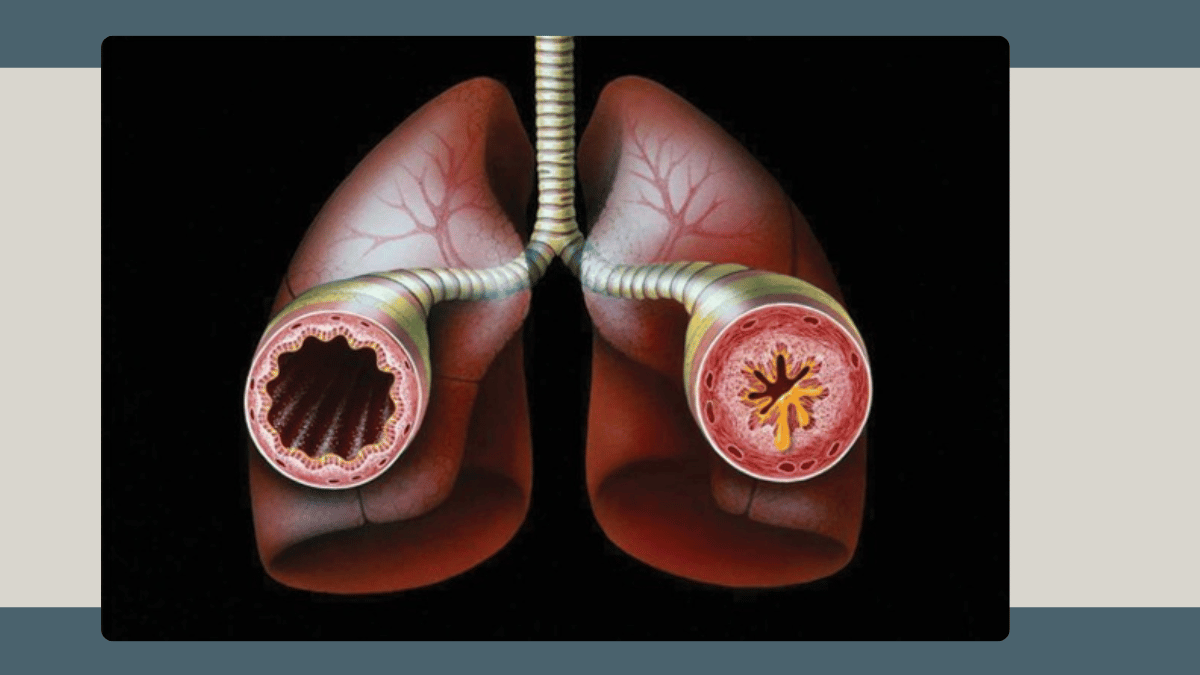
The unified airway model, which is the evidence-based framework for understanding the connection between nasal and bronchial allergic disease, is one of the most clinically important concepts in allergy and ENT practice. The nasal mucosa, the sinus mucosa, the pharyngeal mucosa, the laryngeal mucosa, and the bronchial mucosa are all continuous surfaces sharing the same embryological origin, the same mucosal immune cell populations, and the same IgE-mediated inflammatory mechanism when allergen sensitisation is present. When allergen provokes an allergic response at the nasal level, the same allergen inhaled into the lower airways provokes bronchial hyper-reactivity. The patient who comes to Trinity ENT Care Centre, Agra, with recurrent sneezing, chronic nasal congestion, and morning nasal discharge may also have bronchial hyper-reactivity that presents as exercise-induced cough, nocturnal wheeze, or a persistent non-productive cough that no one has connected to the nasal allergy above it. Treating the nasal disease without assessing the bronchial end of the unified airway means missing the full clinical picture. Conversely, a patient managed by a pulmonologist for mild asthma whose nasal allergy has never been addressed has a persistent upstream inflammatory driver of their bronchial disease that is contributing to asthma exacerbations that could be reduced by treating the rhinitis. My FAAI training and MS ENT background together address both ends of this unified system: the clinical assessment at Trinity ENT Care Centre identifies allergen sensitisation, evaluates nasal and sinus disease, assesses for bronchial involvement, and designs a management plan that addresses the full airway rather than its most visible presenting symptom.
To book a consultation with Dr. Deeksha Bhaskar Shetty at Trinity ENT Care Centre, Shop No. UG 6, Bhawna Complex, Sikandra-Bodla Road, near Sharma X Ray Centre, Kar Kunj Chauraha, Avas Vikas Colony, Sikandra, Agra, Uttar Pradesh 282007 (Monday to Saturday, 5:00 PM to 7:30 PM; Sunday, 10:00 AM to 3:00 PM), call +91 7535801084 or visit linqmd.com/doctor/deeksha-bhaskar-shetty
Written by Dr. Deeksha Bhaskar Shetty, MBBS, MS (Otorhinolaryngology), FAGE, FAAI (Fellowship in Allergy, Asthma and Immunology), Consultant Otolaryngologist, Trinity ENT Care Centre, Shop No. UG 6, Bhawna Complex, Sikandra-Bodla Road, near Sharma X Ray Centre, Kar Kunj Chauraha, Avas Vikas Colony, Sikandra, Agra, Uttar Pradesh 282007. Monday to Saturday, 5:00 PM to 7:30 PM; Sunday, 10:00 AM to 3:00 PM. Phone: +91 7535801084.



Add a Comment