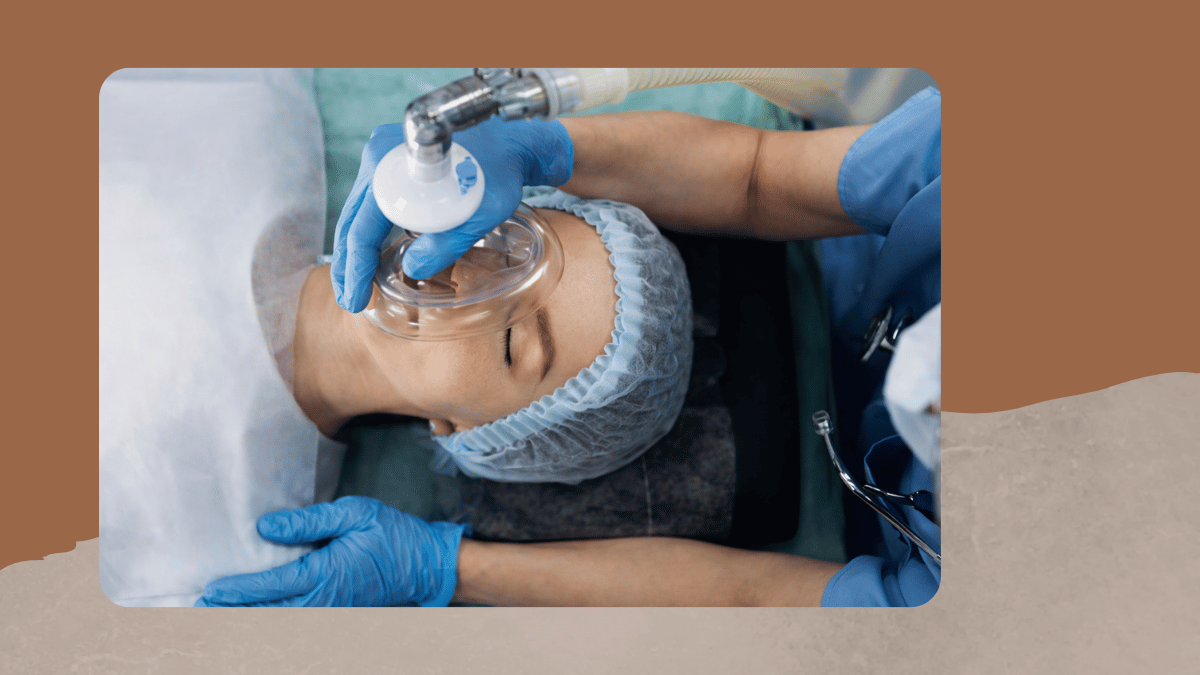
Complex neurosurgeries require a high level of precision, skill, and expertise. While neurosurgeons perform the intricate procedures, anesthesiologists play a vital role in ensuring patient safety and optimal outcomes. In this blog, we'll explore the critical role of neuroanesthesiologists in surgical precision, monitoring, and recovery.
The Role of Neuroanesthesiologists:
Neuroanesthesiologists are specialized anesthesiologists who focus on anesthesia care for brain and spine surgeries. Their expertise includes:
- Precise Anesthesia Management: Neuroanesthesiologists carefully manage anesthesia levels to ensure patient comfort and safety during complex procedures.
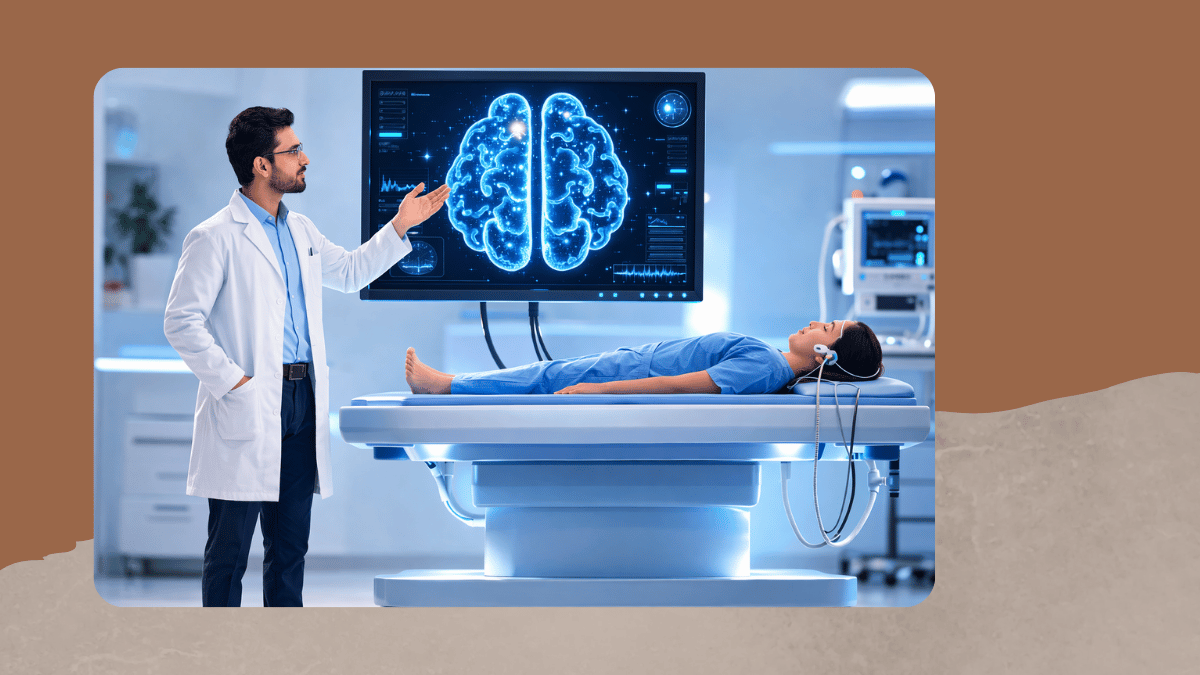
- Advanced Monitoring: They utilize specialized monitoring techniques to track brain function, blood flow, and other vital signs.
- Hemodynamic Management: Neuroanesthesiologists maintain stable blood pressure and flow to prevent brain damage.
- Pain Management: They develop effective pain management plans to minimize post-operative discomfort.
Improving Surgical Precision:
Neuroanesthesiologists contribute to surgical precision by:
- Maintaining Optimal Brain Conditions: They ensure the brain is relaxed and stable, allowing surgeons to operate with precision.
- Monitoring Brain Function: Neuroanesthesiologists track brain activity to detect any changes or potential complications.
- Managing Blood Flow: They maintain optimal blood flow to prevent brain damage.
Enhancing Recovery:
Neuroanesthesiologists play a critical role in post-operative care by:
- Developing Personalized Pain Plans: They create tailored pain management plans to minimize discomfort.
- Managing Post-Operative Complications: Neuroanesthesiologists are equipped to handle any post-operative issues that may arise.
- Coordinating Care: They work closely with the surgical team to ensure seamless transitions.
Benefits of Neuroanesthesiologists:
Having a neuroanesthesiologist on the surgical team can lead to:
- Improved Patient Outcomes: Better pain management, reduced complications, and faster recovery.
- Enhanced Safety: Expert monitoring and management of potential risks.
- Increased Confidence: Patients and families can feel more confident in the care provided.
Conclusion:
👉 Neuroanesthesiologists are essential members of the surgical team, playing a critical role in ensuring optimal outcomes for complex neurosurgeries. Their expertise in anesthesia management, monitoring, and recovery helps improve patient safety and surgical precision.



Add a Comment