"Gentlemen, this is no humbug,”
said the surgeon John Warren Collins during the world’s first public demonstration of anaesthesia by Dr. W.T.G. Morton.
Since that historic moment, the world of anaesthesia has transformed beyond imagination. It’s been over two decades since I joined this incredible field in 2003, and while technology and protocols have evolved dramatically, I still hold close a few core principles that were imparted to me by some very sensible mentors.
👉 After 22 years in this profession, here are some lessons I carry in my heart
Anaesthesia is a deeply gratifying profession:
We may work behind the curtain but there is immense satisfaction in the quiet responsibility we bear.
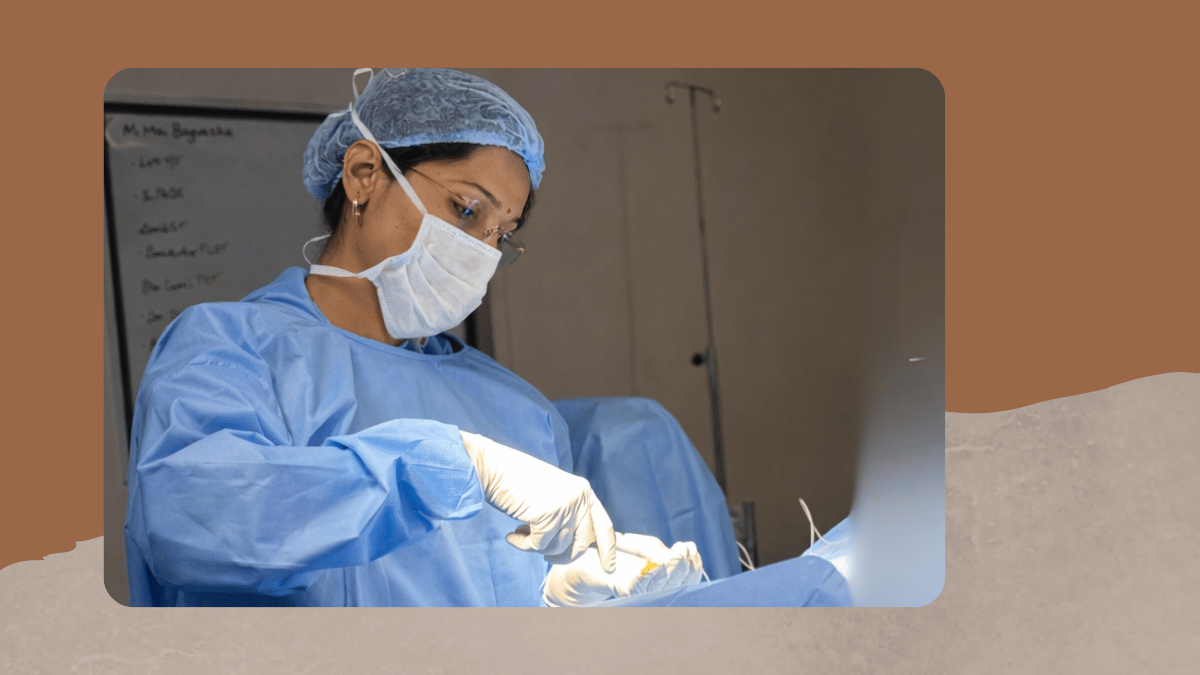
Once you step into the operating theatre, your identity is singular-you are a doctor to the patient on the table:
You are not a wife, a daughter, a friend, or a girlfriend. You are a professional with a singular focus: the patient. Not the surgeon, not your colleagues, not the staff — the patient is the most important person in that room.
"No surgeon is your friend"
This might sound controversial, but it’s not about animosity — it’s about professionalism. Friendships come and go. What endures and matters is the trust and integrity you build through professional conduct. A clear boundary ensures respect for your role and responsibilities.
Continuity of care matters — and I have been fortunate:
In many practices, one anaesthetist might do the pre-op check, another gives anaesthesia, and no one follows up post-operatively. This fragmentation leads to a loss of connection and identity.
But in my practice, I have had the privilege of being involved in the entire journey:
- Meeting the patient pre-operatively in the out patient
- Building a rapport and conducting a thorough assessment
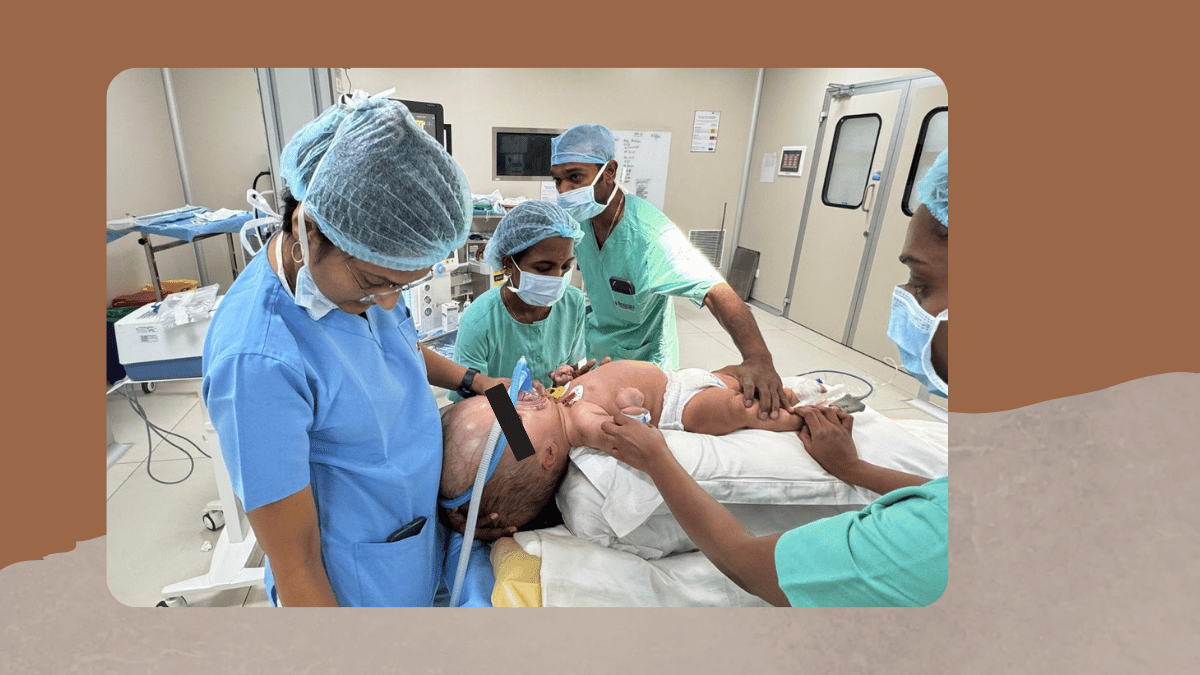
- Being there in the OT on the day of surgery
- And continuing care into the 3–4 postoperative days till discharge
- I also get to meet the patients in outpatient at follow-up
This continuity has allowed me to create an identity — not just as an invisible figure behind the curtain, but as someone the patient knows and trusts. It is a rarity, especially in a resource-constrained setup like many in India, and I consider myself incredibly lucky.
👉 Patients are happy. My team is happy. Most importantly, I am fulfilled.
"Hours of boredom and moments of terror"
That’s what a senior once told me. I agree, but truthfully?
There’s never been boredom in my life as an anaesthetist. From the adrenaline of an emergency case to the patience of long surgeries, from acute pain management to precise physiological tuning — I’ve found joy, challenge, and meaning in all of it.
Fear is good as long as it is physiological and not pathological:
This is something I’ve come to believe strongly over the years.
A little fear keeps you alert. It keeps your senses sharp, your planning meticulous, your hands steady. It’s the kind of fear that whispers, “Be careful. Double check. Stay prepared.”
That’s physiological fear — the kind that keeps patients safe.
But once fear becomes pathological — paralyzing, overwhelming, irrational — it stops serving you and starts controlling you. And in anaesthesia, we cannot afford that. Our strength lies in being calm, clear-headed, and decisive even in the most critical moments.
So I welcome a bit of fear — because it keeps me honest. It keeps me humble. And it keeps me striving to do better, every single time.
Final Pearls of Wisdom:
Always be one step ahead of the patient’s physiology.
Anticipate pain, blood loss, hemodynamic changes. Foresee problems before they arise. The aim is to ensure the least physiological trespass
Have faith — and leave ego at the door
The best outcomes come from humility, teamwork, and focus.
If I were born again, I would choose to be an anaesthesiologist once more.
👉 It is not just a profession. It is a privilege.

Comments
Karan
Posted on: October 16,2025 Published
Great post! It's really nice to hear how much you care about your patients.
Varghese Zachariah
Posted on: October 16,2025 Published
Very nicely written, Deepa. Keep writing.
Reena.Kadni
Posted on: October 16,2025 Published
Great thoughts Deepa
Ahindra
Posted on: October 16,2025 Published
Dr. Deepa, this is beautifully honest. Your continuity of care – following patients from pre-op through discharge – is so rare and builds real trust. The distinction between “physiological fear” (keeps you sharp) vs “pathological fear” (paralyzes) is brilliant wisdom. Twenty-two years in and you’d choose it again – that says everything. Thank you!
Sree Lakshmi
Posted on: October 16,2025 Published
"Really enjoyed reading this — the content was very appropriate and exactly same what I too feel.. "
Kanchan
Posted on: October 16,2025 Published
Clear, honest and coming from your vast experience! Beautiful!
Prathibha K.T
Posted on: October 16,2025 Published
Very nicely written, the silent warriors behind the scenes whose contribution goes unnoticed but plays a pivotal role in operating rooms👍
Dr. Nagarajaiah N
Posted on: October 16,2025 Published
Very nicely written and as a surgeon I would be delighted to have an anaesthesiologist having thoughts like you have written 👌🙏👍
Dr Nagaraja BS
Posted on: October 16,2025 Published
wonderful introspection of an anaesthetist. Physiological and pathological fear concept is good for all doctors . Keeps us alert. Dr Deepa you have written very aptly and reads like poetry. Keep writing. Happy Anesthesia Day 💐💐💐
PrabhakaraGN
Posted on: October 16,2025 Published
Very aptly presented and hats off to your commitment towards patients care.
Ahmed Madheeh
Posted on: June 11,2026 Published
This article truly reflects what I personally experienced with Dr. Deepa Chandran. Continuity of care really matters, and I was fortunate to have her involved throughout my entire journey. Dr. Deepa met me pre-operatively, conducted a thorough assessment, and took the time to build confidence and comfort before my surgery. She even met and spoke with me inside the OT, helping calm my anxiety before the procedure. After surgery, she continued to provide care and support throughout my 6-day post-operative stay until discharge. During my follow-up visits as well, her guidance, reassurance, and advice meant a lot during my recovery period. Thank you, Dr. Deepa, for showing how much compassionate and continuous care can impact a patient’s experience. Wishing you continued success in your practice.
Add a Comment