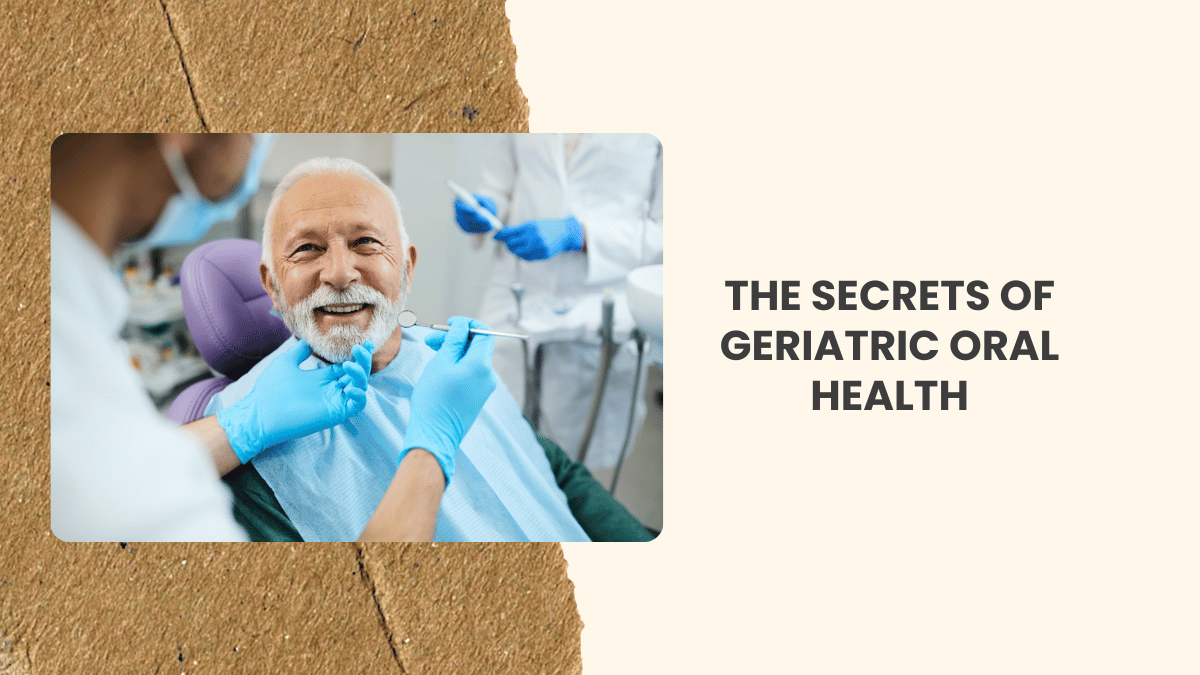
Caring for patients across different stages of life has shown me that oral health becomes even more meaningful as we age, particularly for our senior community.
Common Dental Issues in Seniors:
Over the years, I’ve encountered several common challenges faced by my elderly patients. Tooth loss remains prevalent due to decay or gum disease. Gum disease itself, if untreated, can lead to loose teeth and even impact overall health. Dry mouth, caused by medications or medical conditions, increases the risk of decay and discomfort. Root decay becomes more common as gums recede, exposing sensitive parts of the tooth. These issues, if not addressed early, can compromise quality of life, making simple tasks like eating or speaking difficult.
Preventive Care Tips:
Prevention is always better than cure. I advise my patients to schedule regular checkups ideally every six months. Consistent oral hygiene routines, including gentle brushing with fluoride toothpaste and daily flossing, are fundamental. Nutrition plays a crucial role; a balanced diet rich in calcium and vitamin D helps maintain bone density and strengthens teeth. Drinking plenty of water and limiting sugary foods reduce the risk of decay. I often tell my patients, "Your mouth is like a garden it needs regular care and the right conditions to thrive."
Geriatric-Specific Treatments:
When problems do arise, there are several effective geriatric treatments available. For missing teeth, dentures and implant-supported restorations restore function and aesthetics. Periodontal therapy, including scaling and root planning, helps control gum disease and preserve natural teeth. I have seen many patients regain confidence after full-mouth rehabilitation or simply after receiving a well fitting denture. These options are tailored to each individual’s needs, lifestyle, and health status.
Maintaining Bone Health:
Strong bones are vital for supporting teeth. I emphasize the importance of calcium, vitamin D, and a nutritious diet. Supplements may sometimes be necessary, especially if dietary intake is insufficient. Regular weight bearing exercises and sunshine exposure also help boost bone strength. When patients understand this connection, they are motivated to adopt healthier habits.
Managing Medications and Mouth Care Challenges:
Many seniors take multiple medications, which can cause dry mouth or other oral side effects. I work with my patients and their physicians to adjust medications when possible and suggest saliva substitutes or sugar free lozenges. Reduced dexterity can make oral hygiene more challenging using electric toothbrushes and larger handled floss or interdental brushes can make this easier. Addressing these challenges with simple solutions makes a significant difference.
Psychological Aspects: Building Confidence:
A healthy smile isn’t just about teeth it’s about confidence. Many elderly patients feel self conscious about missing teeth or ill fitting dentures. I always reassure them that restoring their smile can be life changing. My approach involves patience, understanding, and empowering them come out of their shell with confidence. I’ve seen patients reignite their social lives after treatment and, more importantly, regain their self-esteem.
Success Stories & Practical Tips:
One patient, Mrs. Sharma, came to me with complete tooth loss and a fading smile. After a personalized treatment plan including implants and a new set of dentures, her confidence blossomed. She now enjoys her meals and social outings without embarrassment. My advice: prioritize regular dental visits, address issues early, and stay committed to good oral hygiene.
In conclusion, age should never be a barrier to a healthy, beautiful smile. With the right care, mindset, and professional support, maintaining a youthful smile at any age is an achievable goal. Remember, your mouth reflects your health invest in it, and it will reward you for years to come.
Add a Comment