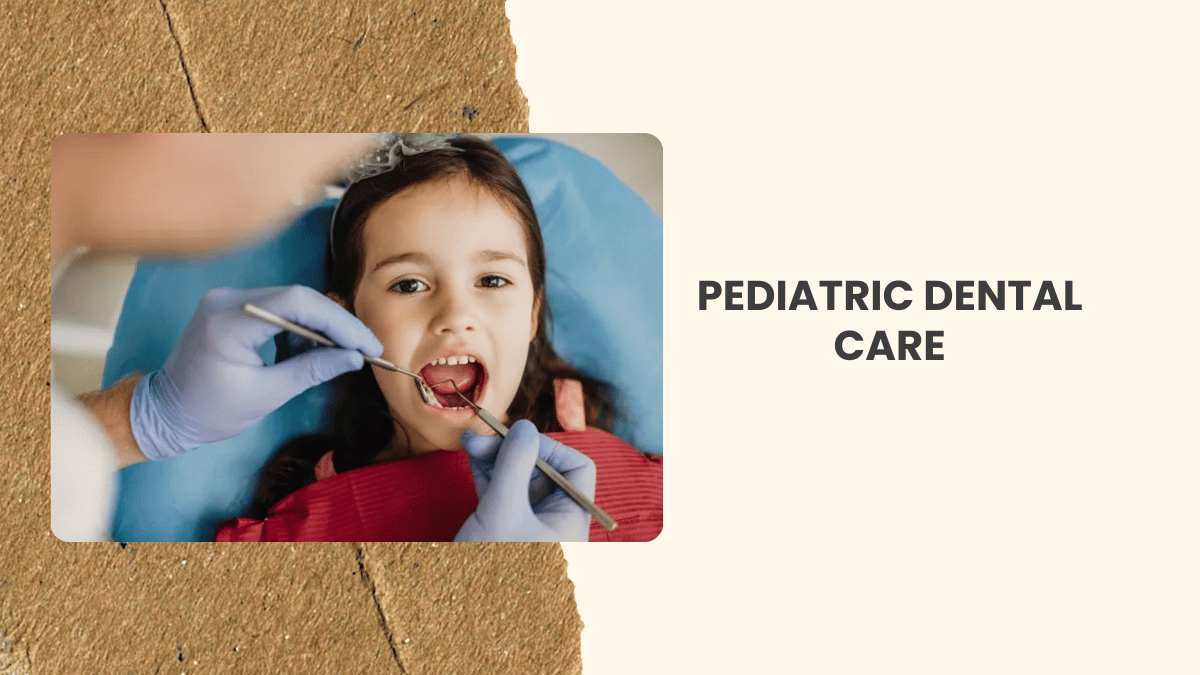
Every time a child steps into my clinic eyes wide with curiosity and a hint of nervous excitement I'm reminded why early dental care is so vital in shaping a lifetime of healthy smiles.
The Importance of Early Dental Care:
Beginning dental visits early, ideally by age one or when the first tooth appears, helps prevent future problems and reduces fear of the dentist. During these visits, we monitor their dental development, educate parents, and identify potential issues before they escalate. A child who experiences positive, pain free visits develops a habit of regular check ups that lasts a lifetime.
Common Pediatric Dental Issues:
In my practice, I see children facing challenges like cavitieses pecially because of sugary foods and drinks. Thumb sucking, a common habit, can lead to misaligned teeth if not addressed early. Speech problems and difficulty chewing can also originate from dental issues, which underscores the importance of early in tervention. I recall a little boy named Arjun, whose speech delayed because of thumb sucking habits; with gentle guidance and habit-breaking techniques, his speech improvements were remarkable.
Preventive Measures: Fluoride, Sealants, and Nutrition:
Prevention is key. I recommend fluoride treatments and sealants for children’s molars to protect against cavities. Education about balanced nutrition, reducing sugary snacks, and encouraging healthy habits are essential. I often tell parents, “Prevention today saves discomfort tomorrow.”
Eruption Timeline and How Teeth Come In:
Understanding when primary teeth come in helps parents prepare and ensures they’re cleaned properly. Typically, the first tooth appears around six months, with a predictable eruption pattern. Regular checkups allow us to monitor eruption and address any irregularities early.
Creating Comfortable and Fun Dental Visits:
I make every effort to make dental visits fun and non-threatening. Children are naturally curious, so I use storytelling, colorful tools, and praise to create positive associations. My goal is to make sure they see the dentist as a friendly, caring person not someone to fear.
Brushing & Flossing: Building Effective Routines:
Establishing good brushing and flossing routines early sets the stage for ongoing oral hygiene. I teach children in a playful way, demonstrating proper techniques and emphasizing the importance of clean teeth for a bright smile.
The Role of Parents & Caregivers:
Parents are the first teachers. Supervision and gentle guidance help children develop habits. I provide parents with tips like supervising brushing until age seven and replacing toothbrushes regularly.
Early Orthodontic Intervention:
Addressing orthodontic issues early, sometimes as young as age six, can prevent more complex problems later. For example, early space maintenance can save teeth from becoming crowded or impacted.
Teaching Kids About Oral Health:
In my practice, I emphasize simple messages: “Brush twice daily,” “Eat healthy,” and “Visit the dentist regularly.” Engaging stories and visual aids make learning fun and memorable.
Long-term Benefits:
By investing in early pediatric dental care, we establish habits that last a lifetime. A positive childhood dental experience fosters confidence and helps children carry good oral health into adulthood.
In conclusion, pediatric dental care isn’t just about preventing cavities; it’s about building a lifelong relationship with oral health one smile at a time. As always, I’m here to support every child and parent on this journey toward a healthy, radiant future.
Add a Comment