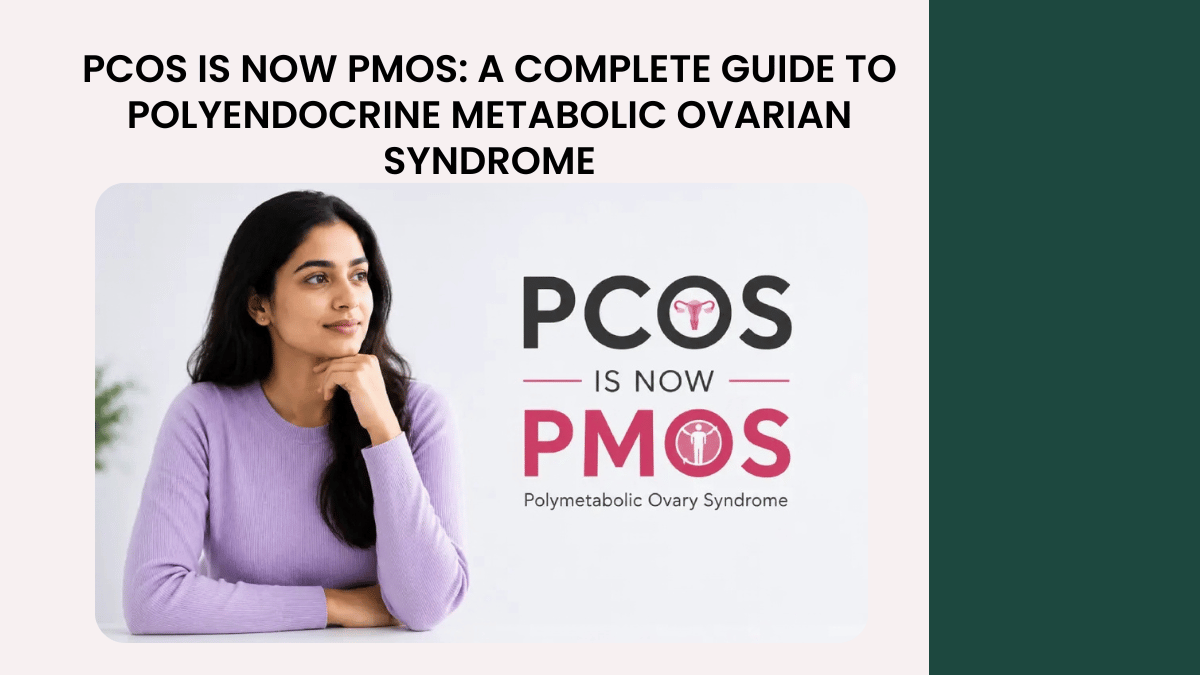
For many years, women have been familiar with the term Polycystic Ovary Syndrome, or PCOS -- it is one of the most frequently discussed hormonal conditions in women, particularly among those experiencing irregular periods, acne, unwanted facial hair, difficulty managing weight, or problems with fertility. However, there has been an important change. PCOS is now known as Polyendocrine Metabolic Ovarian Syndrome, or PMOS. The newer name helps us understand something that I often explain to my patients: this condition is not simply about having cysts in the ovaries. It is a much broader hormonal and metabolic condition that can influence periods, ovulation, fertility, insulin function, weight, skin, hair, emotional wellbeing, and long-term health.
As a gynaecologist and reproductive medicine specialist, I see women at very different stages of this condition. One woman may come to me because her periods arrive only once every two or three months. Another may be struggling with acne or unwanted facial hair. Someone else may have been trying to conceive and only discovers PMOS during a fertility evaluation. The important message is that PMOS does not look exactly the same in every woman, and treatment should not be the same for everyone either. Let us understand the condition step by step.
PCOS Is Now Called PMOS: What Does the New Name Mean?
PCOS has been renamed Polyendocrine Metabolic Ovarian Syndrome, or PMOS, because the old name created the impression that the condition was mainly caused by cysts in the ovaries, when the picture is actually much broader. PMOS can involve: hormonal imbalance, increased androgen activity, insulin resistance, irregular ovulation, menstrual disturbances, changes in metabolism, weight-related difficulties, acne, excess facial or body hair, scalp hair thinning, fertility problems, emotional and psychological effects, and increased long-term metabolic risks. The word polyendocrine reflects the involvement of multiple hormonal pathways, while metabolic acknowledges the important relationship between the condition, insulin resistance, and the way the body processes energy.
For some time, you may continue to see both terms, PCOS and PMOS, used in clinics, online articles, and medical discussions. If you have previously been diagnosed with PCOS, the change in terminology does not mean that you suddenly have a different disease. It is a newer name intended to describe the same complex condition more accurately.
What Exactly Is PMOS?
PMOS is a hormonal and metabolic condition that can affect the normal functioning of the ovaries, interfering with follicle development and ovulation -- multiple small follicles may begin developing without one becoming dominant enough to release an egg, leading to irregular or absent ovulation. This can cause: irregular periods, long gaps between periods, difficulty predicting ovulation, difficulty becoming pregnant, and hormonal symptoms such as acne and excess hair growth.
Insulin resistance can also play an important role. When the body's cells do not respond efficiently to insulin, the body may produce more insulin to compensate. Higher insulin levels can influence ovarian hormone production and contribute to increased androgen activity. This is why PMOS needs to be viewed as more than an ovarian condition.
Does PMOS Mean I Have Cysts in My Ovaries?
No. This is one of the most important misunderstandings surrounding the condition. Despite the old name, you do not necessarily need to have ovarian cysts to have PMOS. The small structures often seen on ultrasound are usually follicles, not the ovarian cysts women may hear about in other gynaecological conditions. It is possible to have polycystic-looking ovaries on ultrasound without having the syndrome, and to have PMOS even when the ovaries do not appear typically polycystic on ultrasound. I always encourage patients to think of the diagnosis as a combination of menstrual history, symptoms, hormonal findings, and when appropriate, imaging -- rather than focusing only on an ultrasound report.
What Causes PMOS?
PMOS appears to develop through a combination of genetics, hormonal regulation, insulin resistance, increased androgen activity, metabolic factors, and environmental and lifestyle influences -- there is no single confirmed cause.
Genetics
PMOS can run in families. If your mother, sister, or another close relative has the condition, your likelihood of developing it may be higher. However, genetics does not mean that every woman in the family will experience the same symptoms.
Insulin Resistance
Insulin is a hormone that helps glucose move from the bloodstream into the body's cells for energy. In insulin resistance, the cells do not respond to insulin as effectively as they should, and the body may compensate by producing more insulin. High insulin levels can encourage increased androgen production, interfere with normal ovulation, contribute to weight gain or difficulty losing weight, and increase the long-term risk of metabolic problems. This is why PMOS is closely connected with metabolic health.
Increased Androgen Activity
Androgens such as testosterone are often described as male hormones, but women naturally produce them too. When androgen levels are elevated or the body is particularly sensitive to them, possible effects include facial hair, body hair, persistent acne, oily skin, scalp hair thinning, and irregular ovulation.
What Are the Symptoms of PMOS?
Symptoms of PMOS vary greatly between women -- you may experience only one or two, or several at the same time -- and include the following categories.
Menstrual Symptoms
• Irregular periods
• Long gaps between periods
• Very infrequent periods
• Missed periods
• Difficulty predicting the next period
• Irregular ovulation
Skin and Hair Symptoms
• Acne
• Oily skin
• Excess facial hair
• Hair on the chest or abdomen
• Scalp hair thinning
• Male-pattern hair loss
• Darkened or thickened areas of skin, particularly around the neck or armpits
Metabolic Symptoms
• Weight gain
• Difficulty losing weight
• Increased abdominal weight
• Insulin resistance
• Fatigue
Fertility Symptoms
• Irregular ovulation
• Failure to ovulate consistently
• Difficulty becoming pregnant
• Unpredictable fertile windows
Emotional Symptoms
Women may also experience anxiety, low mood, depression, poor self-esteem, body-image concerns, emotional distress related to fertility, and frustration surrounding weight, acne, or unwanted hair. These concerns deserve attention. PMOS should never be treated as just a period problem.
Are Irregular Periods Always PMOS?
No. Irregular periods can occur for many reasons including pregnancy, thyroid disorders, elevated prolactin, significant weight changes, stress, excessive exercise, certain medications, perimenopause, and other hormonal disorders. This is why self-diagnosing PMOS simply because your periods are irregular is not advisable. A proper medical assessment helps us determine the underlying reason.
PMOS in Teenagers: Why Diagnosis Requires Care
Adolescence deserves special attention because irregular periods and acne are common during puberty, and a teenager who has recently started menstruating should not automatically be labelled as having PMOS simply because her cycles are irregular -- in the early years after the first period, menstrual cycles can naturally take time to become regular. Similarly, polycystic-looking ovaries can be common in younger women and do not necessarily mean PMOS. For adolescents, doctors consider the overall pattern of menstrual irregularity, signs of increased androgen activity, and appropriate blood investigations. This careful approach helps avoid unnecessary anxiety and overdiagnosis.
How Is PMOS Diagnosed?
There is no single test that confirms PMOS. Diagnosis usually involves combining several pieces of information.
Detailed Medical History
I may ask about when your periods started, how frequently they occur, whether you miss periods, changes in body weight, acne, facial or body hair, scalp hair thinning, family history, fertility concerns, previous pregnancies, current medications, and lifestyle and metabolic health. Keeping a record of your menstrual cycles can be extremely useful.
Physical Examination
Depending on your symptoms, assessment may include weight and BMI, blood pressure, skin changes, acne, hair growth patterns, and signs of insulin resistance.
Blood Tests
Blood investigations may assess testosterone and other androgen-related markers, blood glucose, insulin-related metabolic health, cholesterol, thyroid function, prolactin, and other hormones when clinically indicated. Some tests help support the diagnosis, while others help rule out conditions that can produce similar symptoms.
Ultrasound
An ultrasound may sometimes be recommended to assess the ovaries. However, a scan showing polycystic ovaries does not automatically mean PMOS, and a normal-looking ultrasound does not necessarily exclude PMOS. The scan is only one part of the overall assessment.
PMOS, Weight, Diet, and Lifestyle
Weight and PMOS are closely connected, but not every woman with PMOS is overweight -- you can have PMOS at a healthy weight, and insulin resistance can make weight management more challenging for some women, creating a cycle where insulin resistance leads to hormonal disruption which worsens insulin resistance further. Simply telling a woman with PMOS to lose weight is rarely helpful. Instead, I focus on sustainable changes that improve overall metabolic health, including balanced meals, adequate protein, more vegetables, whole grains, pulses and legumes, fibre-rich foods, reducing highly processed foods, regular physical activity, adequate sleep, and stress management. For women who are above their healthy weight, even a moderate reduction in weight may improve insulin sensitivity, menstrual regularity, and ovulation. The aim should be better health, not punishment through extreme dieting.
What Should I Eat If I Have PMOS?
There is no single magical PMOS diet. A sustainable balanced diet is usually more useful than following short-term trends. Helpful choices include vegetables, fruits in appropriate portions, whole grains, pulses, beans, lentils, nuts and seeds, lean protein, eggs, fish, healthy fats, and fibre-rich foods. Try to reduce frequent consumption of sugary beverages, highly processed snacks, excess sweets, refined carbohydrates, and foods containing large amounts of added sugar. Choosing foods that cause a slower rise in blood glucose may be particularly helpful for women with insulin resistance. Most importantly, choose a dietary pattern that you can realistically maintain.
Exercise and PMOS
Regular physical activity can improve insulin sensitivity and support metabolic health. You do not have to spend hours in a gym. Useful activities may include brisk walking, cycling, swimming, yoga, strength training, resistance exercises, dancing, and recreational sports. Consistency matters more than attempting an intense routine for a few days and then giving up.
How Is PMOS Treated?
There is currently no single cure for PMOS, but symptoms can often be managed very effectively, and treatment should be based on the woman's main concern -- the plan for a 20-year-old experiencing irregular periods and acne may be completely different from that of a 32-year-old trying to conceive.
Managing Irregular Periods
If periods are very infrequent, it is important not to ignore them. When ovulation does not occur regularly, the lining inside the uterus may remain exposed to hormonal stimulation for prolonged periods, potentially causing excessive thickening of the uterine lining (endometrial hyperplasia). Depending on the woman's age, symptoms, health history, and pregnancy plans, options may include combined oral contraceptive pills, cyclical progestogen treatment, a hormonal intrauterine system, or other individualised hormonal treatment. These medicines should be selected after proper medical evaluation.
Managing Acne and Excess Hair
Acne and unwanted facial or body hair can have a significant emotional impact. Treatment options may include appropriate acne treatment, hormonal treatment, hair removal methods, and selected medicines that reduce androgen-related effects. Treatment takes time. Hormonal hair growth does not usually disappear within a few weeks, so realistic expectations are important.
What Is the Role of Metformin?
Metformin is a medicine originally used in the treatment of type 2 diabetes. It may be recommended for selected women with PMOS, particularly when insulin resistance or increased metabolic risk is present. It can help improve insulin sensitivity and may support improvements in certain metabolic and reproductive features. However, metformin is not automatically required for every woman with PMOS. The decision should depend on the individual patient's metabolic profile, symptoms, age, weight, reproductive plans, and other health factors.
PMOS and Fertility: Can I Still Get Pregnant?
Having PMOS does not mean that you cannot become pregnant -- many women with PMOS conceive naturally, and others may need help because they are not ovulating regularly. If ovulation is irregular, it becomes difficult to predict when an egg will be released, and in some cycles ovulation may not occur at all.
When a woman with PMOS comes to me because she is trying to conceive, I look at the complete fertility picture rather than focusing only on PMOS. Assessment may include menstrual and ovulation history, hormonal evaluation, ultrasound assessment, ovarian reserve when appropriate, tubal assessment when indicated, partner's semen analysis, age-related fertility considerations, previous pregnancies, and overall metabolic health.
If ovulation is the main difficulty, medicines such as letrozole or clomifene may sometimes be used to stimulate ovulation under medical supervision. Some couples may require ovulation induction, timed intercourse, IUI, or IVF. The appropriate option depends on the complete fertility assessment. As a reproductive medicine specialist, I strongly believe that fertility treatment should be individualised. PMOS is only one part of the fertility picture.
Can PMOS Affect Pregnancy?
Many women with PMOS have healthy pregnancies. However, the condition may be associated with increased risks of gestational diabetes, high blood pressure during pregnancy, pre-eclampsia, and premature birth, particularly when metabolic problems are also present. Good preconception care is therefore valuable, focusing on optimising weight when necessary, reviewing blood sugar and blood pressure, reviewing medications, starting appropriate preconception supplements, and improving general metabolic health. Early and regular antenatal care is also important once pregnancy is confirmed.
Long-Term Health and PMOS
PMOS should not be viewed only as a fertility condition -- over time, women may have an increased risk of type 2 diabetes, high blood pressure, high cholesterol, metabolic problems, cardiovascular disease, fatty liver disease, sleep apnoea, endometrial hyperplasia, and endometrial cancer -- but increased risk does not mean that these conditions are inevitable. Awareness gives us an opportunity to intervene early. Regular health monitoring, appropriate treatment, and sustainable lifestyle changes can help reduce risk.
Does PMOS Increase the Risk of Diabetes?
PMOS can be associated with insulin resistance, which may increase the long-term risk of developing prediabetes, type 2 diabetes, or gestational diabetes. This does not mean that every woman with PMOS will develop diabetes. It means metabolic health deserves attention throughout life. Depending on your individual risk factors, your doctor may recommend periodic monitoring of blood glucose.
Why Are Very Infrequent Periods Important?
Some women feel that having only a few periods each year is convenient. However, when periods are absent because ovulation is not happening regularly, the uterine lining may not shed normally. If you regularly go several months without a period, discuss this with your gynaecologist. Treatment may be recommended to protect the uterine lining even when pregnancy is not currently a concern.
PMOS and Mental Health
The emotional impact of PMOS should never be underestimated -- women may struggle with acne, facial hair, weight changes, hair thinning, unpredictable periods, fertility difficulties, anxiety about future health, reduced confidence, and body-image concerns -- and depression and anxiety are reported more frequently among women living with this condition. Emotional wellbeing is as important as physical health, and I encourage every patient to raise these concerns at their consultation.
To book a consultation with Dr. Deepeka T. S. at CIMAR The Women's Hospital, 3/515-A, Tippu Sulthan Road, Cheranaloor Thykkavu, Kochi, Kerala 682034 (Monday to Saturday, 9:30 AM to 4:30 PM) WhatsApp: +91 8861191019 and visiting Consultant - Infertility and Reproductive medicine, SNIMS ( Thursday - 02.00 PM - 04.00 PM) Phone: 04846737777.
Written by Dr. Deepeka T. S., MBBS (Govt. Madras Medical College, Chennai), MS Obstetrics and Gynaecology (Govt. Kilpauk Medical College, Chennai), MRCOG (Royal College of Obstetricians and Gynaecologists, London, UK), Fellowship in Reproductive Medicine (CIMAR, Kochi), Clinical Fellowship in Minimally Invasive and Pelvic Surgery (Sunrise Hospitals, Kochi), Consultant Obstetrician, Gynaecologist and Reproductive Medicine Specialist, CIMAR The Women's Hospital, 3/515-A, Tippu Sulthan Road, Cheranaloor Thykkavu, Kochi, Kerala 682034. Monday to Saturday, 9:30 AM to 4:30 PM. 9+ years. 10,000+ patients.
Related reading
IVF Success Rates Explained: Factors That Improve Fertility Treatment Outcomes in Women
Myths and Facts About AMH: What Your Result Actually Means for Your Fertility
Pelvic Organ Prolapse: Understanding the Condition, Symptoms and Treatment Options


Add a Comment