





This varies from laboratory to laboratory. It ranges from Rs.500 to Rs.1000.
Consultant Obstetrics Gynecology and Reproductive Medicine, CIMAR The Women’s Hospital, Kochi, Ernakulam, Kerala
MBBS, MS (Obstetrics & Gynecology), MRCOG, Fellowship in Reproductive Medicine, Clinical Fellowship in Minimally Invasive & Pelvic Surgery
9+ years of experience
10,000+ Patients cared
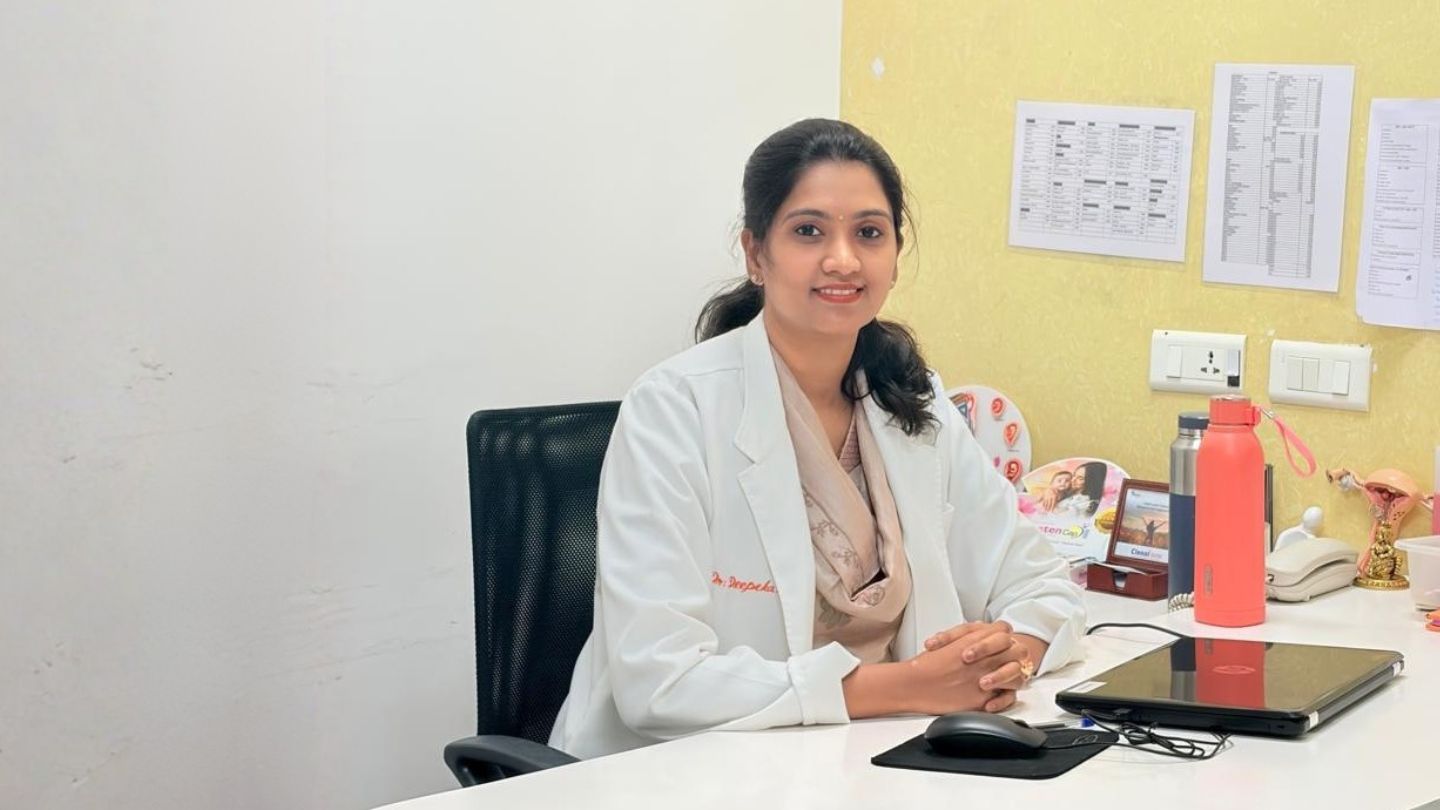
Dr. Deepeka T. S. is a highly experienced Obstetrician and Gynecologist with over 8 years of expertise in women’s healthcare, infertility treatment, pregnancy care, high-risk pregnancy management, and advanced gynecological procedures. She holds MBBS, MS in Obstetrics & Gynecology, MRCOG (UK), Fellowship in Reproductive Medicine, and Clinical Fellowship in Minimally Invasive & Pelvic Surgery. Dr. Deepeka specializes in normal deliveries, and management of complex gynecological and obstetric conditions, IVF, IUI, reproductive counseling, laparoscopic surgery, hysteroscopy and cesarean sections. She has successfully conducted numerous normal and high-risk deliveries while ensuring positive outcomes for both mothers and babies. With international clinical exposure in the UK and her current role as Assistant Professor in Obstetrics & Gynecology, she is known for evidence-based, compassionate care. Her expertise in PCOS treatment, menstrual disorders, fertility solutions, minimally invasive surgery, and women’s wellness makes her a trusted name in advanced reproductive and maternal healthcare.
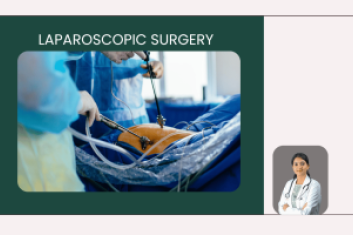
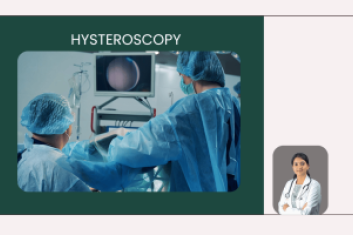
Dr. Deepeka T. S. specializes in Obstetrics, Gynecology, Reproductive Medicine, Fertility Treatment, and Minimally Invasive Gynecological Surgery, offering comprehensive care for women’s health concerns across all age groups. Her areas of expertise include high-risk pregnancy care, normal delivery, caesarean section, infertility evaluation, IVF treatment, IUI procedures, PCOS management, menstrual disorders, ovarian cyst treatment, contraception counseling, and menopause care. She is highly experienced in laparoscopic and hysteroscopic surgeries, including laparoscopic hysterectomy, myomectomy, cystectomy, ectopic pregnancy surgery, and cervical cerclage. With advanced training in reproductive medicine and minimally invasive pelvic surgery, Dr. Deepeka focuses on delivering safe, effective, and patient-centered treatment using modern evidence-based techniques. She also has expertise in ultrasonography, colposcopy, fertility preservation, and sexual health counseling. Her commitment to compassionate women’s healthcare and fertility solutions has made her a trusted specialist for pregnancy care, infertility management, and advanced gynecological procedures.
Bus Stop, 3/515-A, Tippu Sulthan Road, Cheranaloor Thykkavu, Kochi, Kerala 682034
Phone: 9003702020
Email: [email protected]
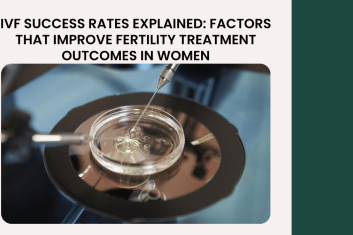
IVF Success Rates Explained: Factors That Improve Fertility Treatment Outcomes in Women
High-Risk Pregnancy Care: Warning Signs, Treatment Options, and Tips for a Healthy Delivery
This varies from laboratory to laboratory. It ranges from Rs.500 to Rs.1000.
When you get the result, there will be a column which mentions the cut off for normal semen analysis.
The results are to be interpreted with caution. The values provide information on the distribution of results from men in couples having a natural conception within one year of trying (time to pregnancy within12 months). The lower fifth percentile represents the level under which only results from 5% of the men in the reference population were found. This can be of help to interpret results from an individual patient.
Here are the current World Health Organization lower reference values for a normal semen analysis (WHO 6th edition, 2021):
Semen Parameter Lower Reference Limit
Semen volume 1.4 mL
Total sperm number 39 million per ejaculate
Sperm concentration 16 million/mL
Total motility 42%
Progressive motility 30%
Normal morphology 4% normal forms
Vitality 54% live spermatozoa
Semen pH ≥ 7.2
Leukocytes < 1 million/mL
Usually, the result will be ready in 1 or 2 days. Your laboratory would provide a printed copy of the semen analysis report. You can also get a pdf document from your laboratory.
Avoid sexual intercourse/ejaculation for a minimum of 2 days and a maximum of 7 days before providing sample for semen analysis.
You can get it done from a standardised andrology laboratory attached to dedicated fertility/andrology clinic or a standardised laboratory with andrology facilities.
You will get the most reliable test from NABL (National Accreditation Board for Testing and Calibration Laboratories) laboratories.
It is recommended to choose laboratories which provide detailed analysis of macroscopic and microscopic characteristics of your semen rather than laboratories which rely on quicker, cheaper and unstandardised reporting methods
If you and your partner/wife are trying to conceive for 1 year without the use of any contraceptive medicines or devices and unable to achieve a pregnancy, you can do a semen analysis.
Other conditions when a semen analysis is recommended
A sperm count or semen analysis test measures a man's sperm's general health and viability. Semen is the ejaculated organic fluid containing sperm cells. This test measures the amount of semen, its characteristics, the concentration of sperm in the semen, their motility and morphology.
This test is used to screen infertile couples. Semen analysis is used to determine the success of a vasectomy also.
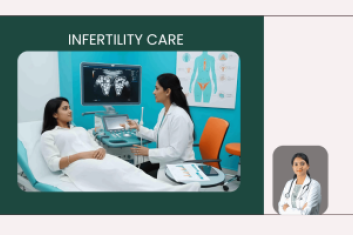
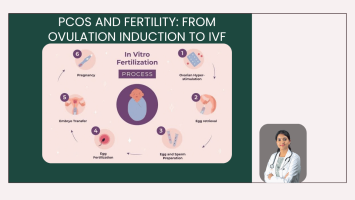
IVF treatment may be recommended for couples with blocked fallopian tubes, PCOS-related infertility, low sperm count, endometriosis, advanced maternal age, recurrent IVF failure, or unexplained infertility after medical evaluation by a fertility specialist.
IVF success rates improve with good egg quality, healthy sperm, balanced hormones, proper uterine health, healthy lifestyle habits, stress management, and early fertility treatment. Personalized IVF protocols also increase the chances of successful pregnancy.
High-risk pregnancy check-ups may be required more frequently than routine pregnancy visits depending on the mother’s condition. Regular antenatal monitoring, ultrasound scans, and fetal assessments help detect complications early and ensure safer delivery outcomes.
Warning signs of a high-risk pregnancy include high blood pressure, severe swelling, vaginal bleeding, severe abdominal pain, reduced fetal movement, gestational diabetes, and persistent headaches. Immediate medical consultation is important for maternal and baby safety.
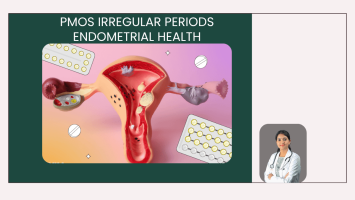
Women with PCOS can improve fertility naturally by maintaining a healthy weight, following a balanced diet, exercising regularly, managing stress, and tracking ovulation. Early fertility evaluation and medical guidance also improve pregnancy chances.
The best treatment for PCOS and irregular periods includes lifestyle modification, weight management, hormonal therapy, healthy diet, exercise, and fertility treatment when required. Personalized PCOS treatment helps improve hormonal balance, ovulation, and reproductive health.